By origin
All origins → Ethiopia
 Guatemala
 Kenya
 Rwanda
 Indonesia
 Honduras
 Mexico
 Nicaragua
By process
By SCA score
Impact & projects
- Women producers
- Impact score 8+
- Shipped by sail (FCCO)
- Forest coffee
- Agroforestry: forest level
- Certified organic
- High Nature Value
Availability
SCA-scored specialty lots from 24 origins, selected by Belco France.
See all coffeesRequest a sampleBy origin
Selections
Cacao lots
 Cooperativa Barra Ciega
- Cooperativa Cacahuatl
- Finca Chiquihuat
- Finca La Catarina
- Finca Los Angeles
- Finca Parras Lempa
- Hacienda Comalapa
 Hacienda Dos Lagunas
- Hacienda La Carrera
 Jorge Takahashi
 Opita
Fermentation rates of our fine-flavour cacao lots — including three Cacao of Excellence winners.
See all cacaoRequest a sample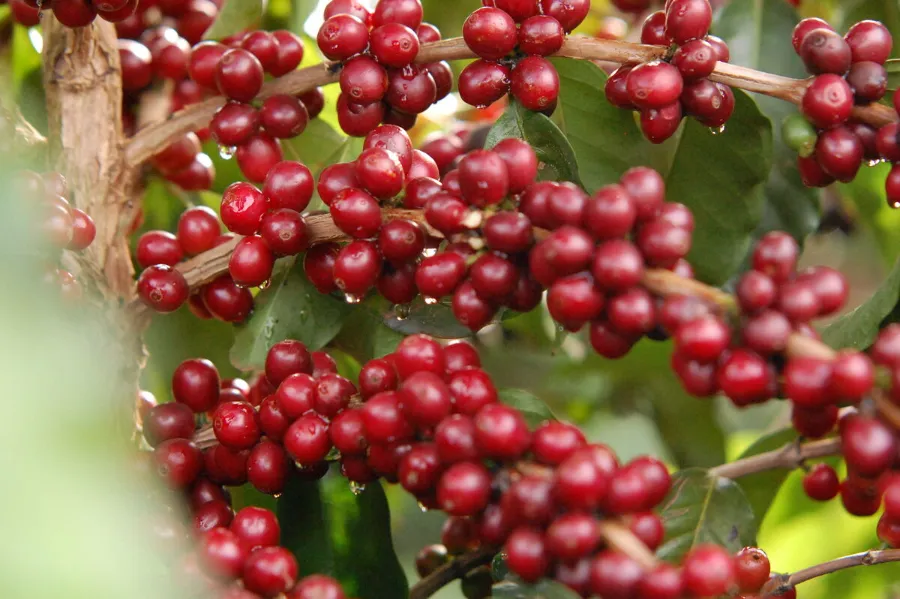
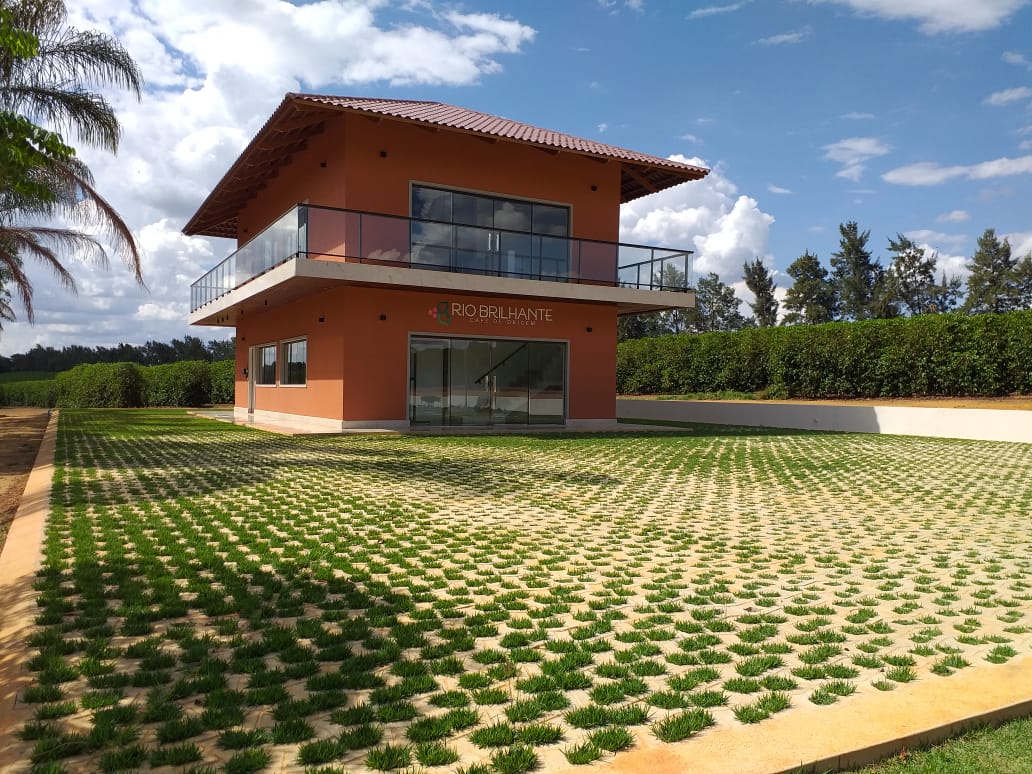
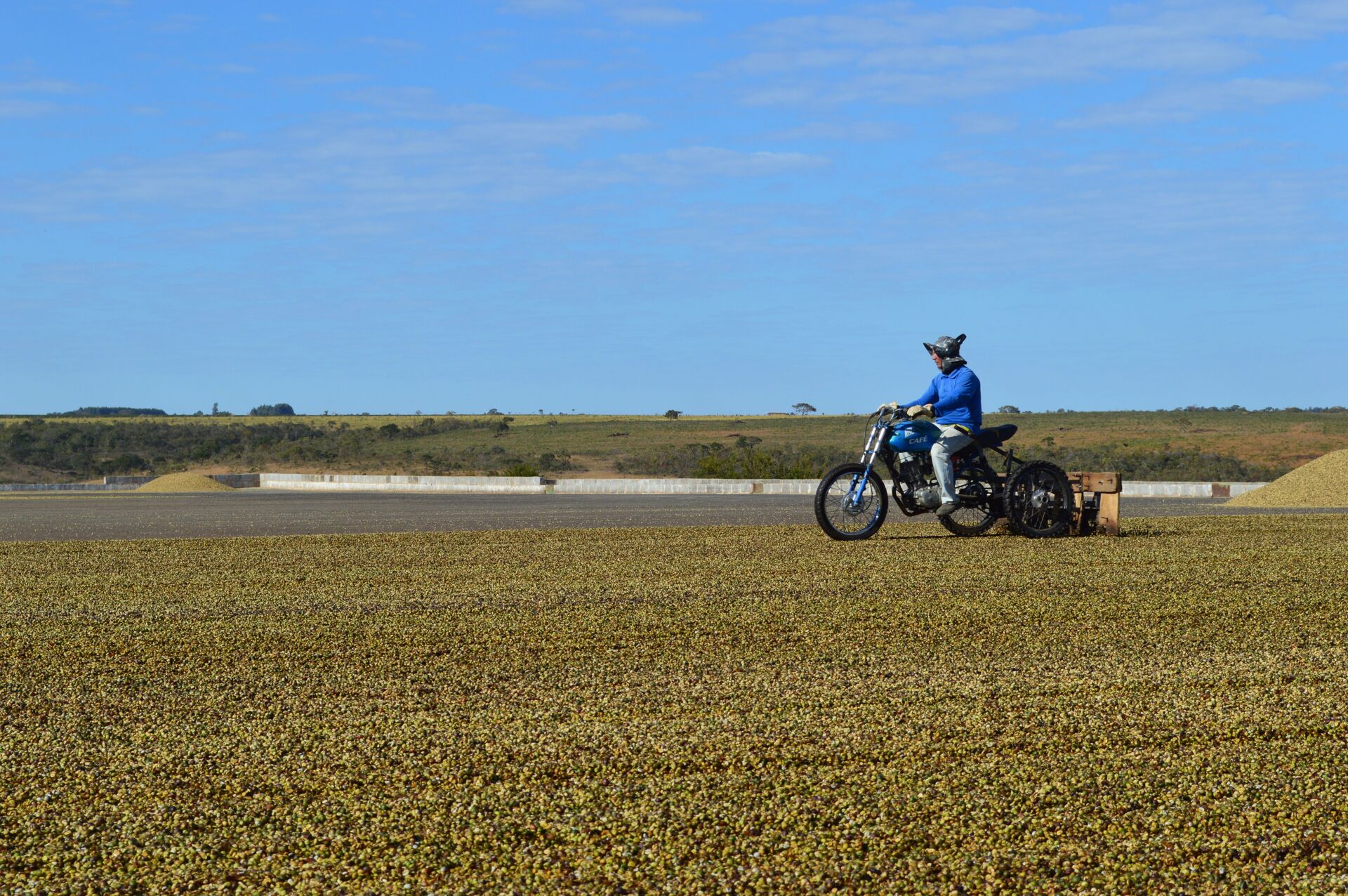
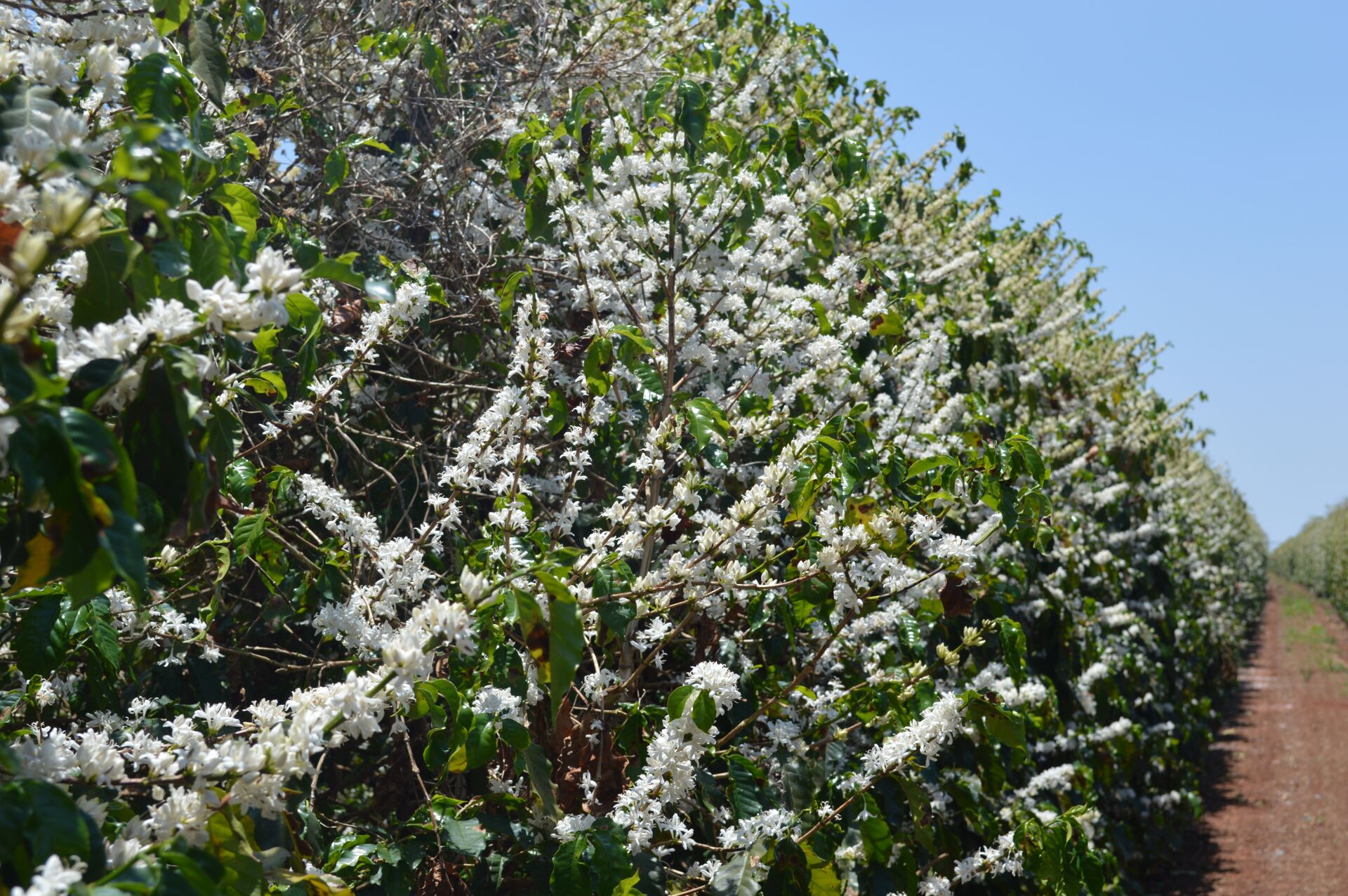
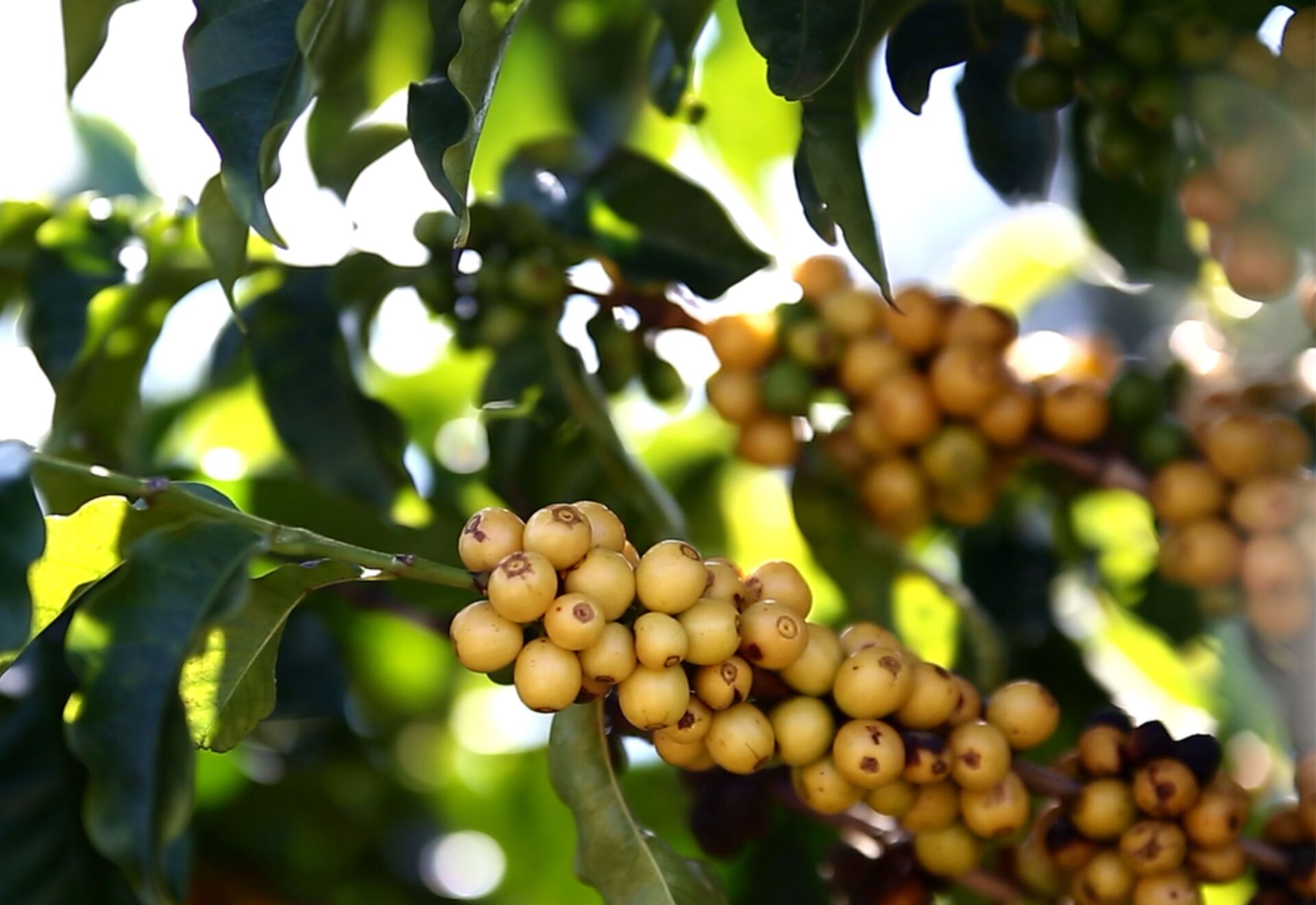
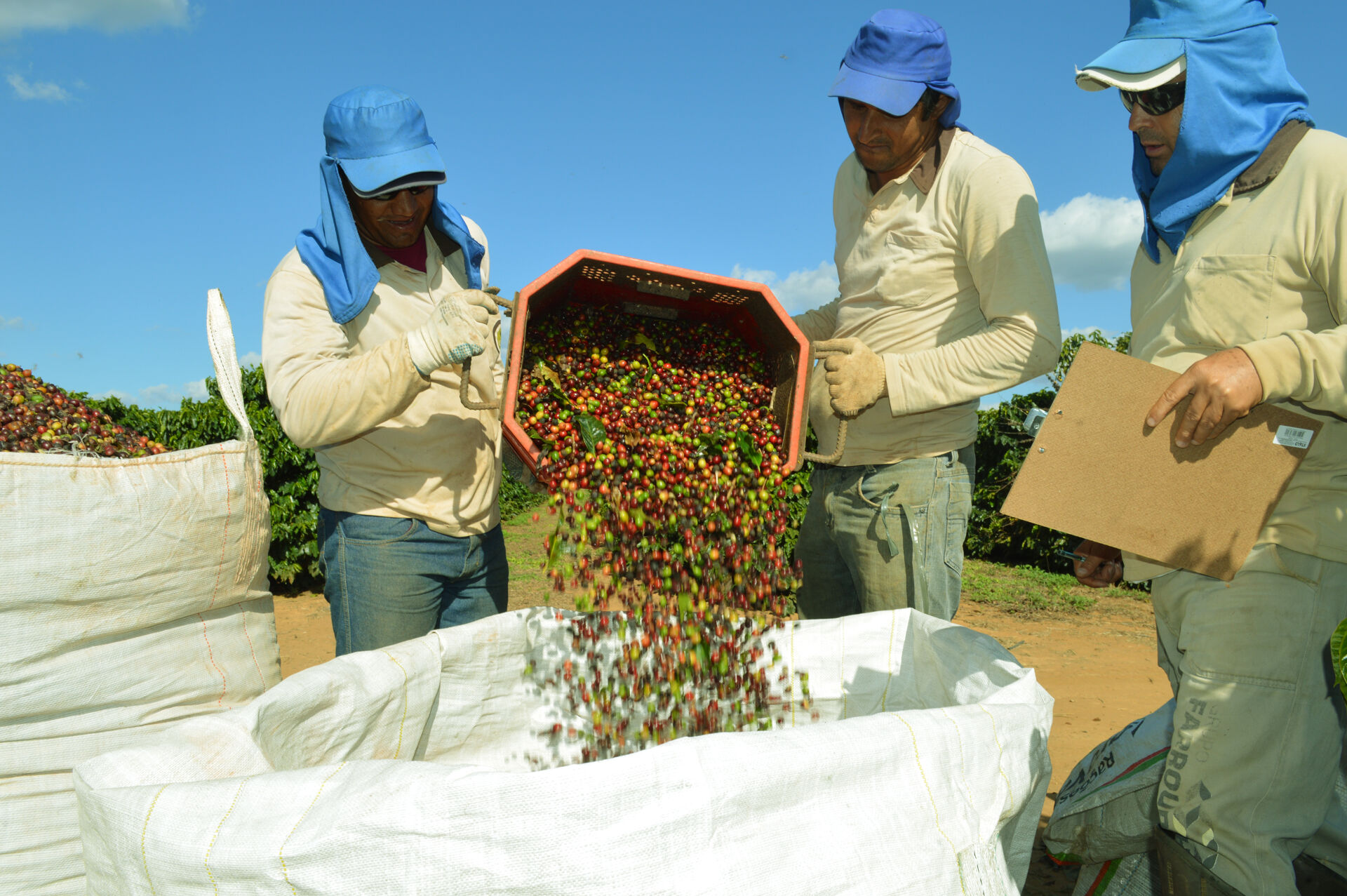
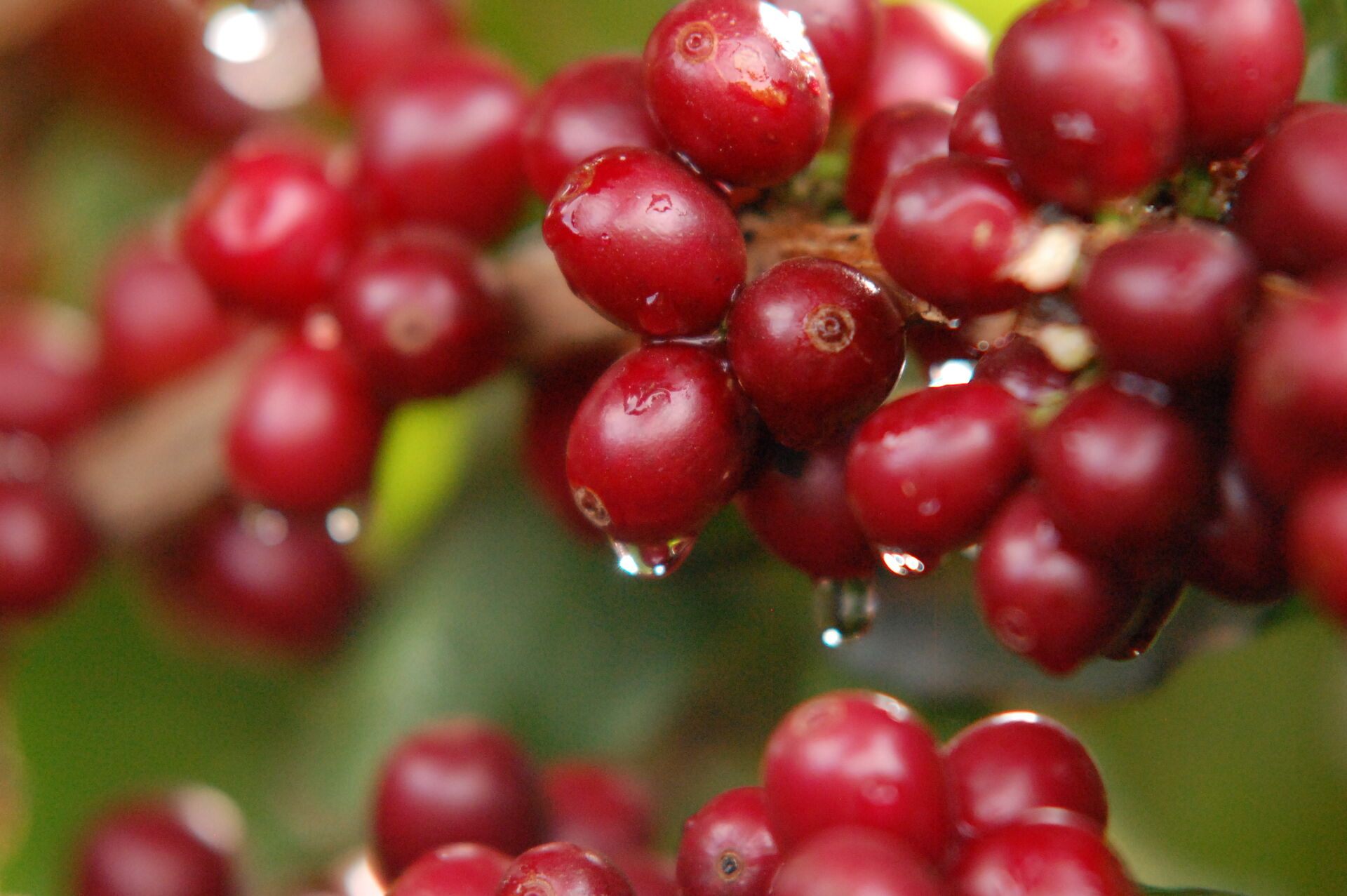
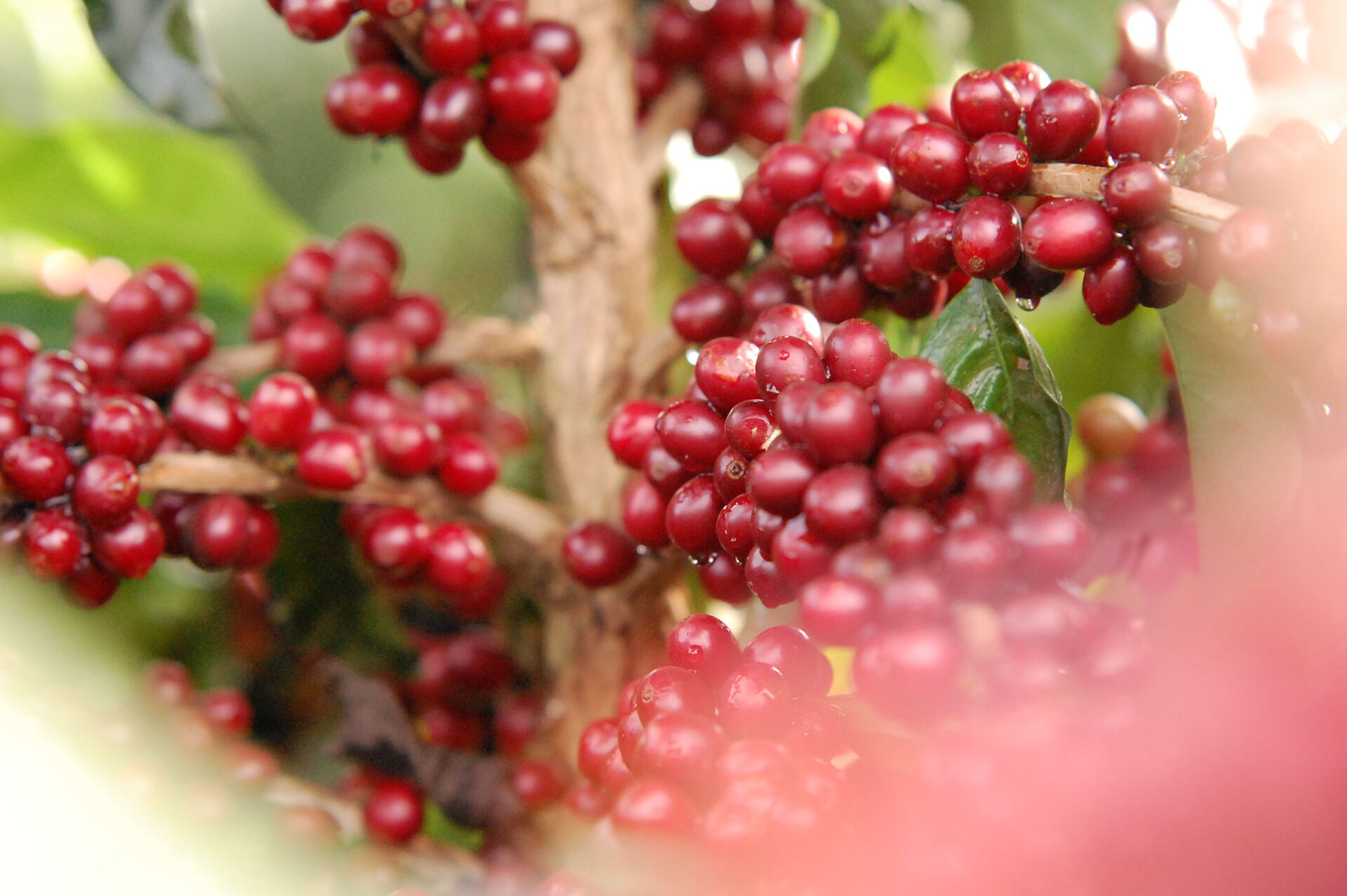
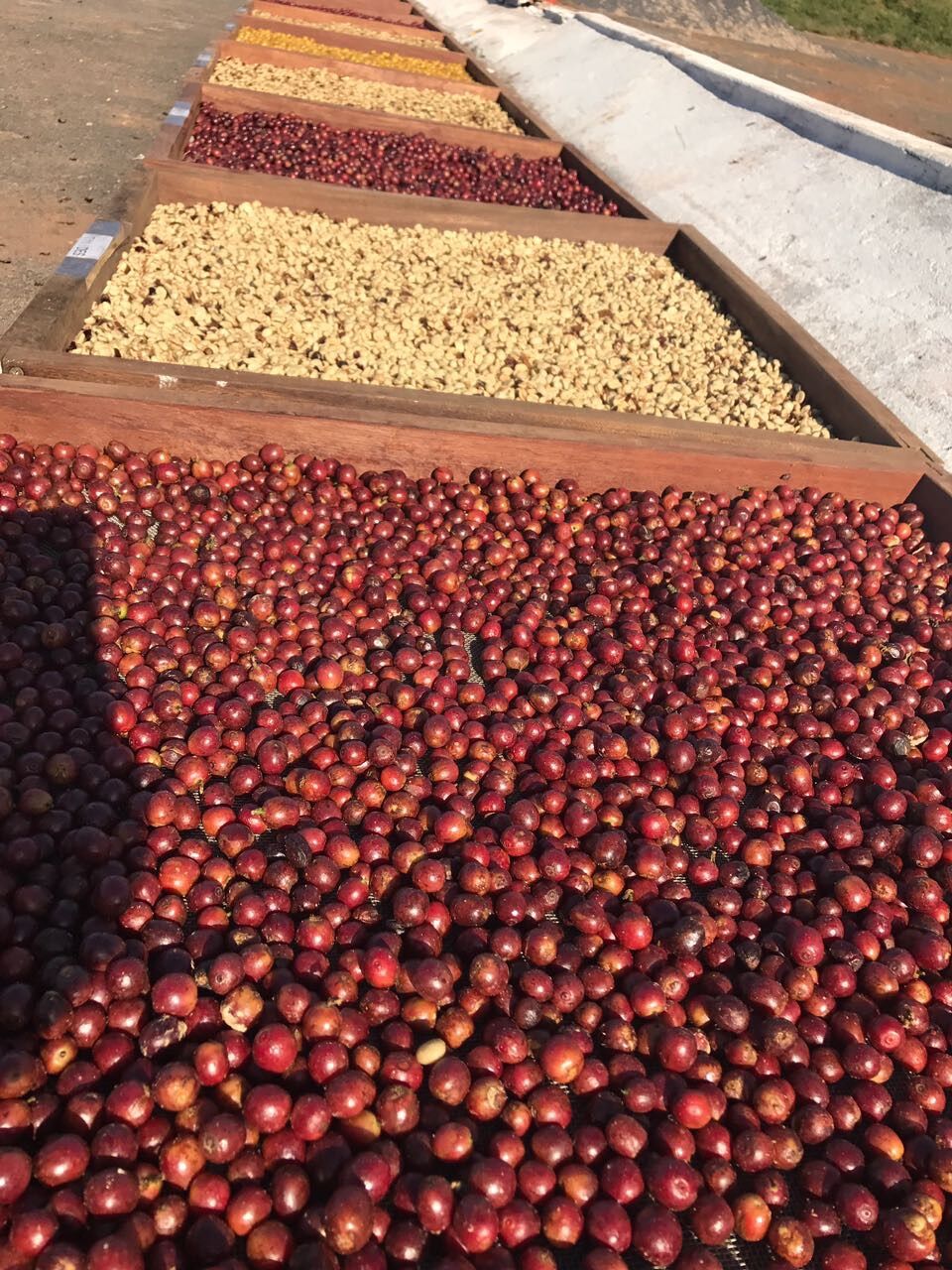
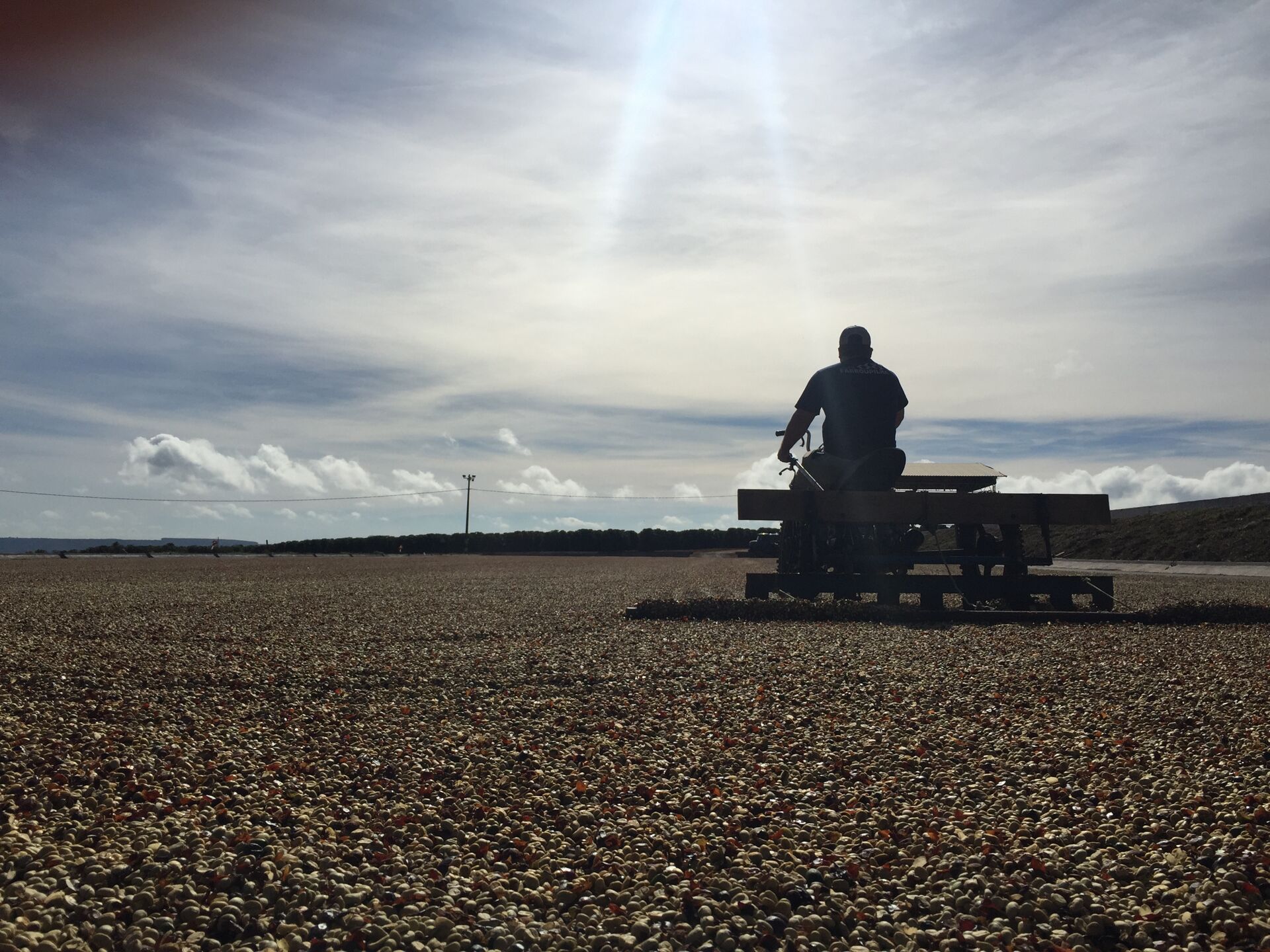
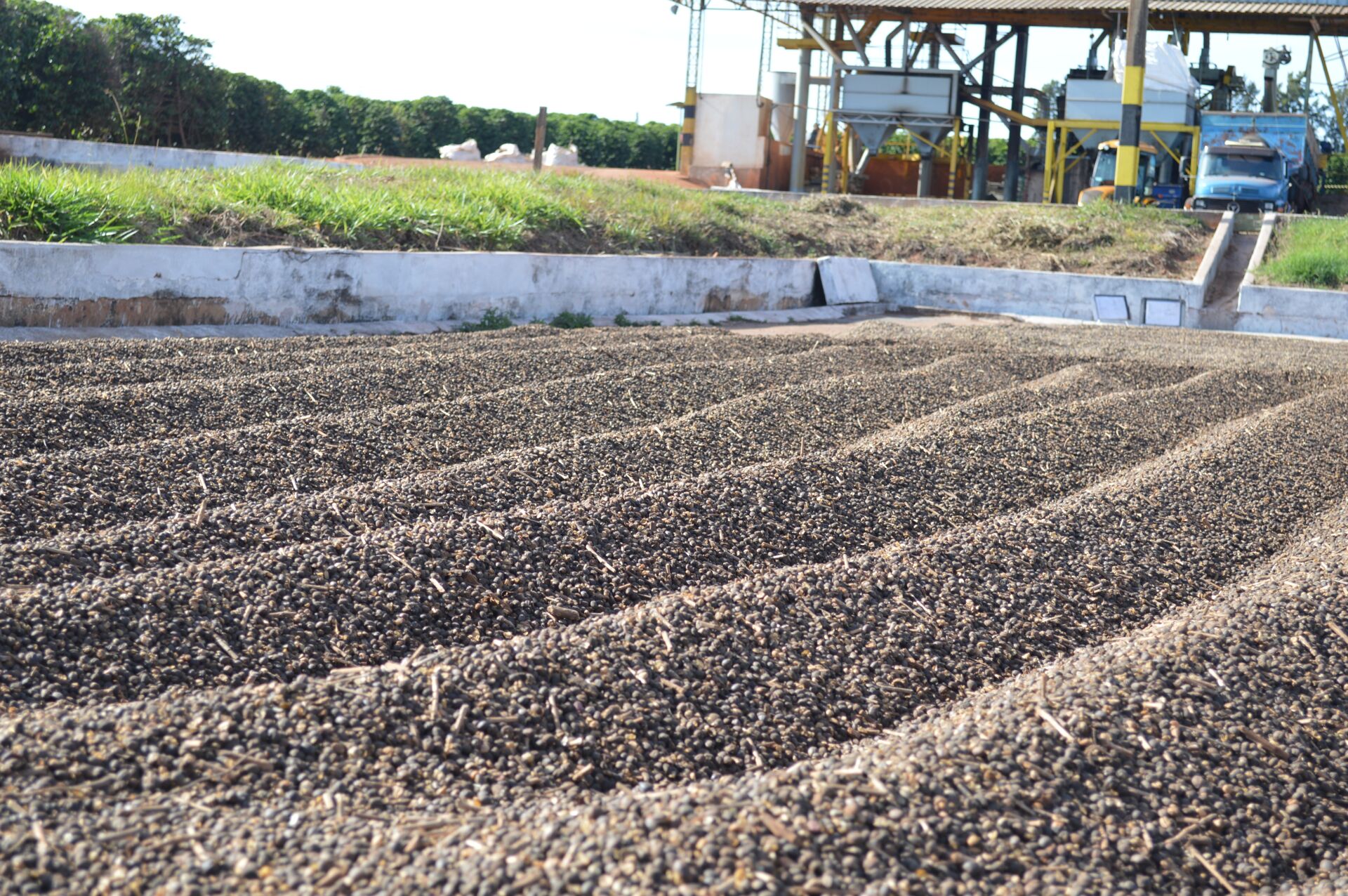
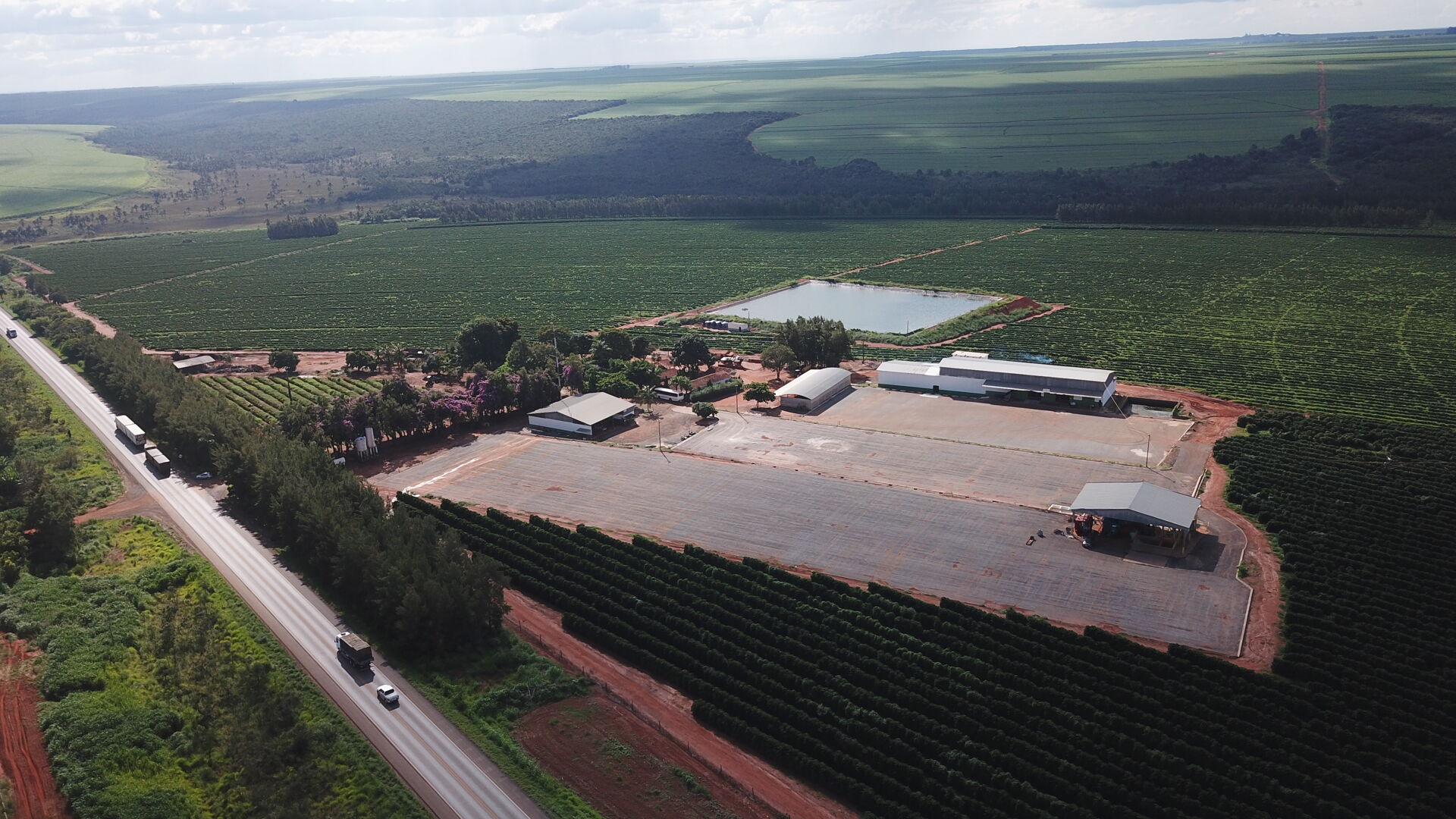
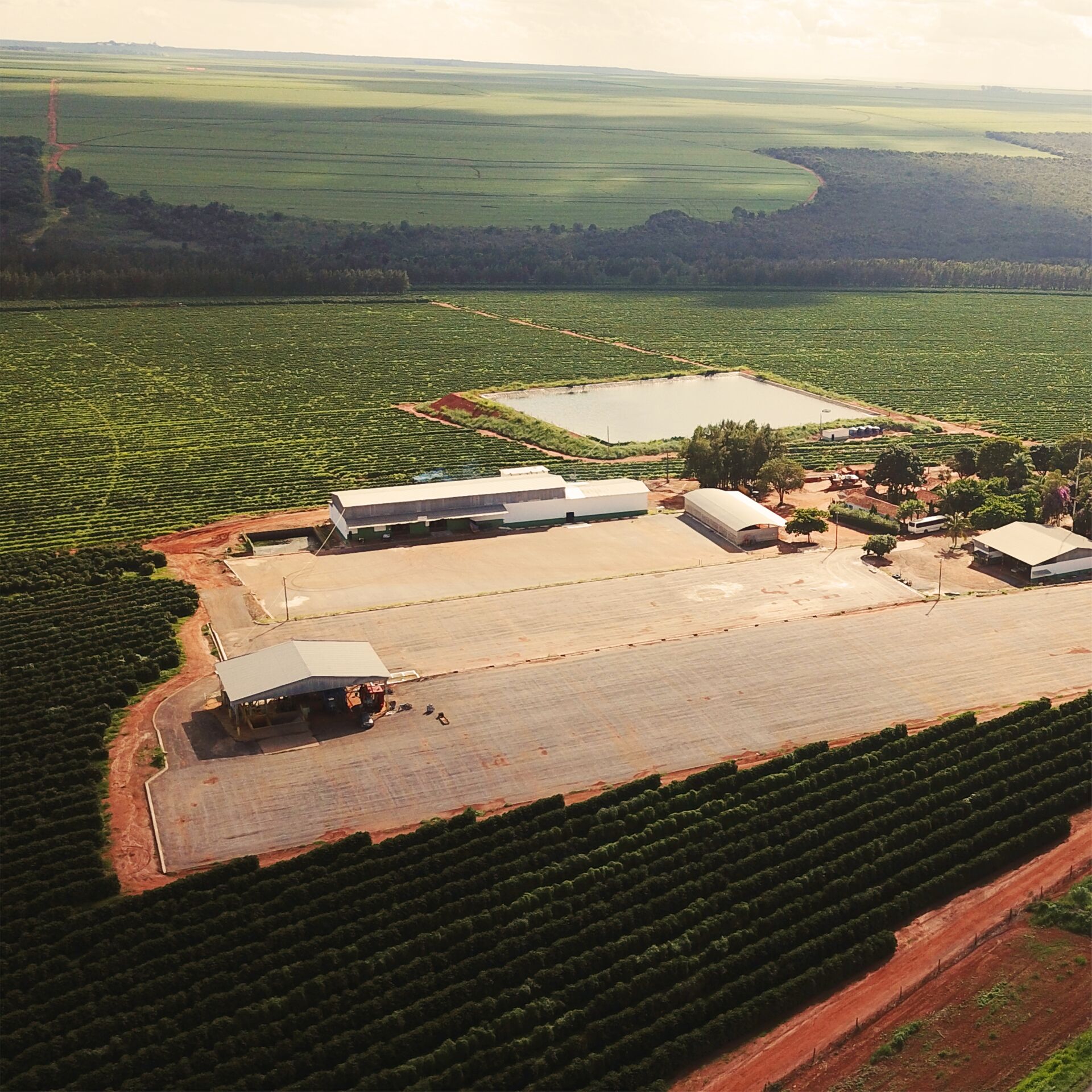
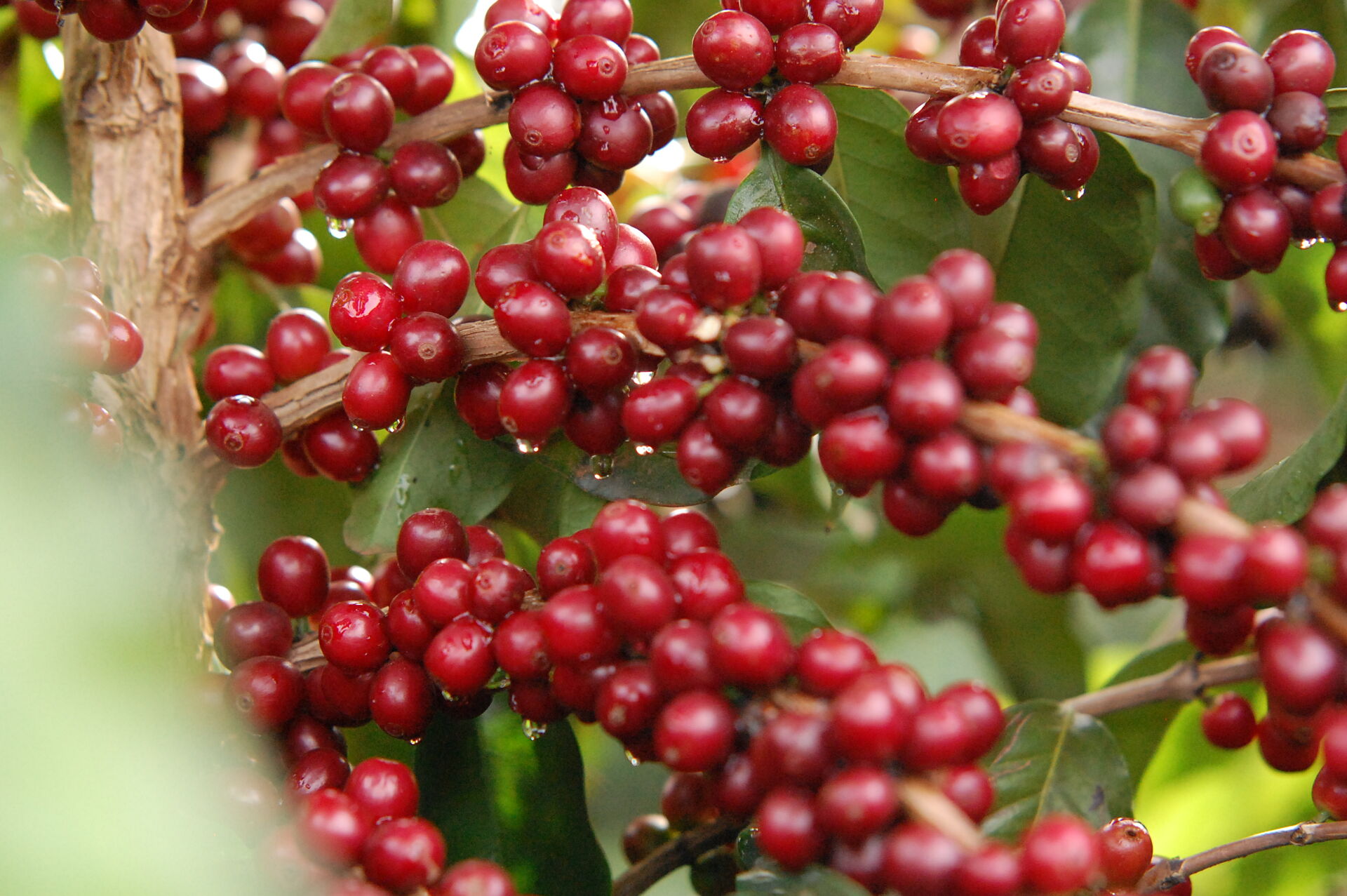
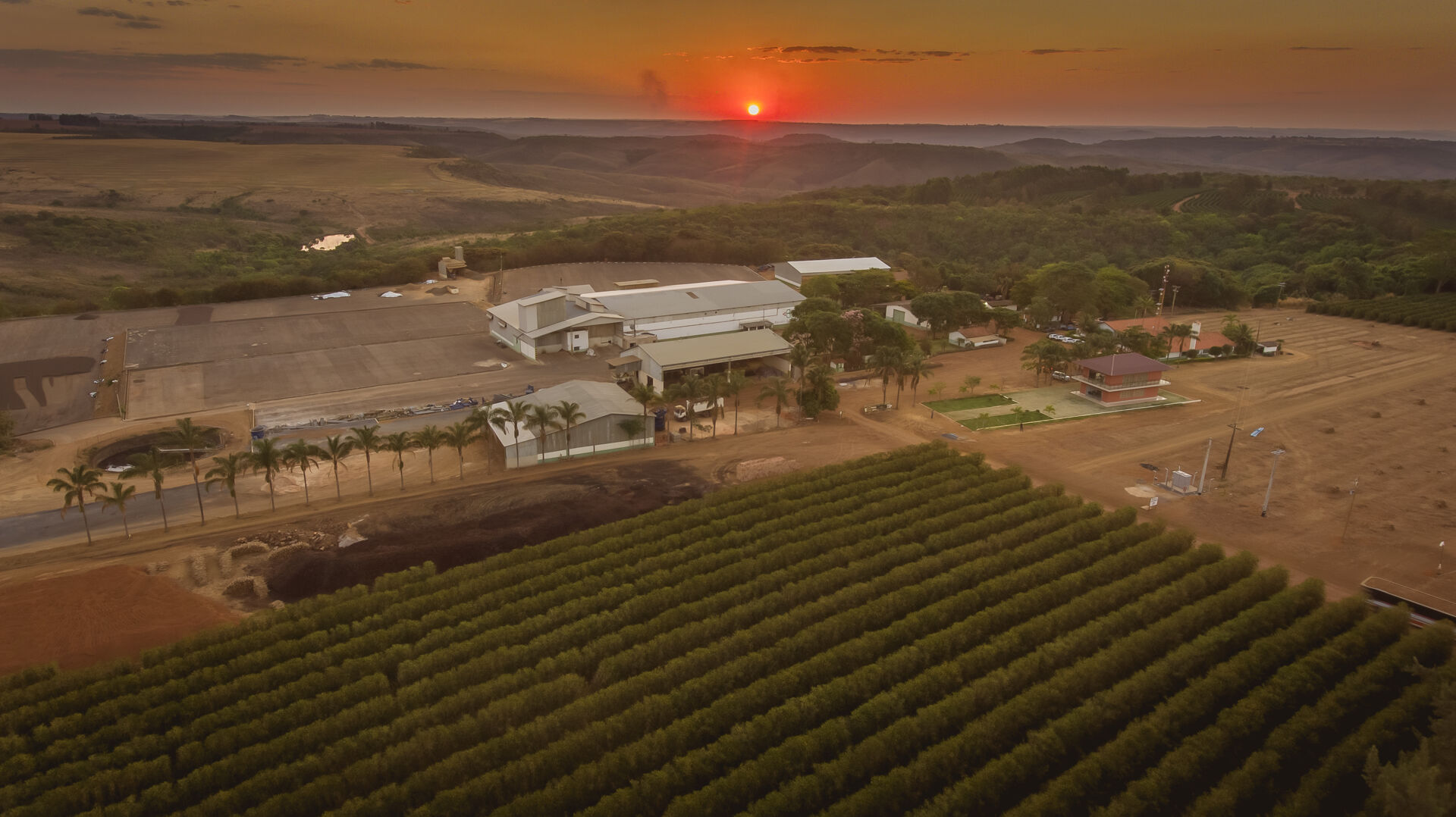
Aguas de Marco
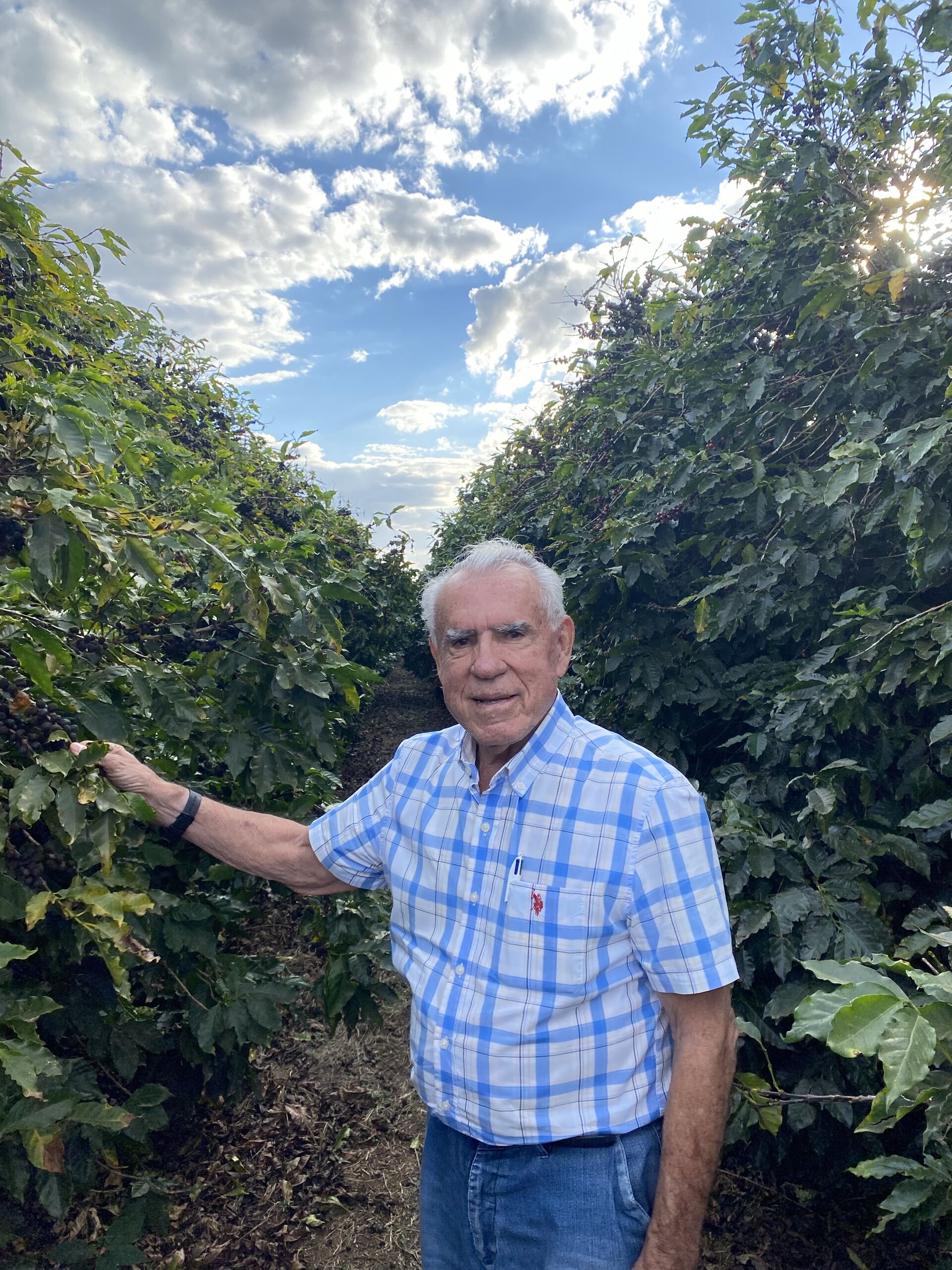
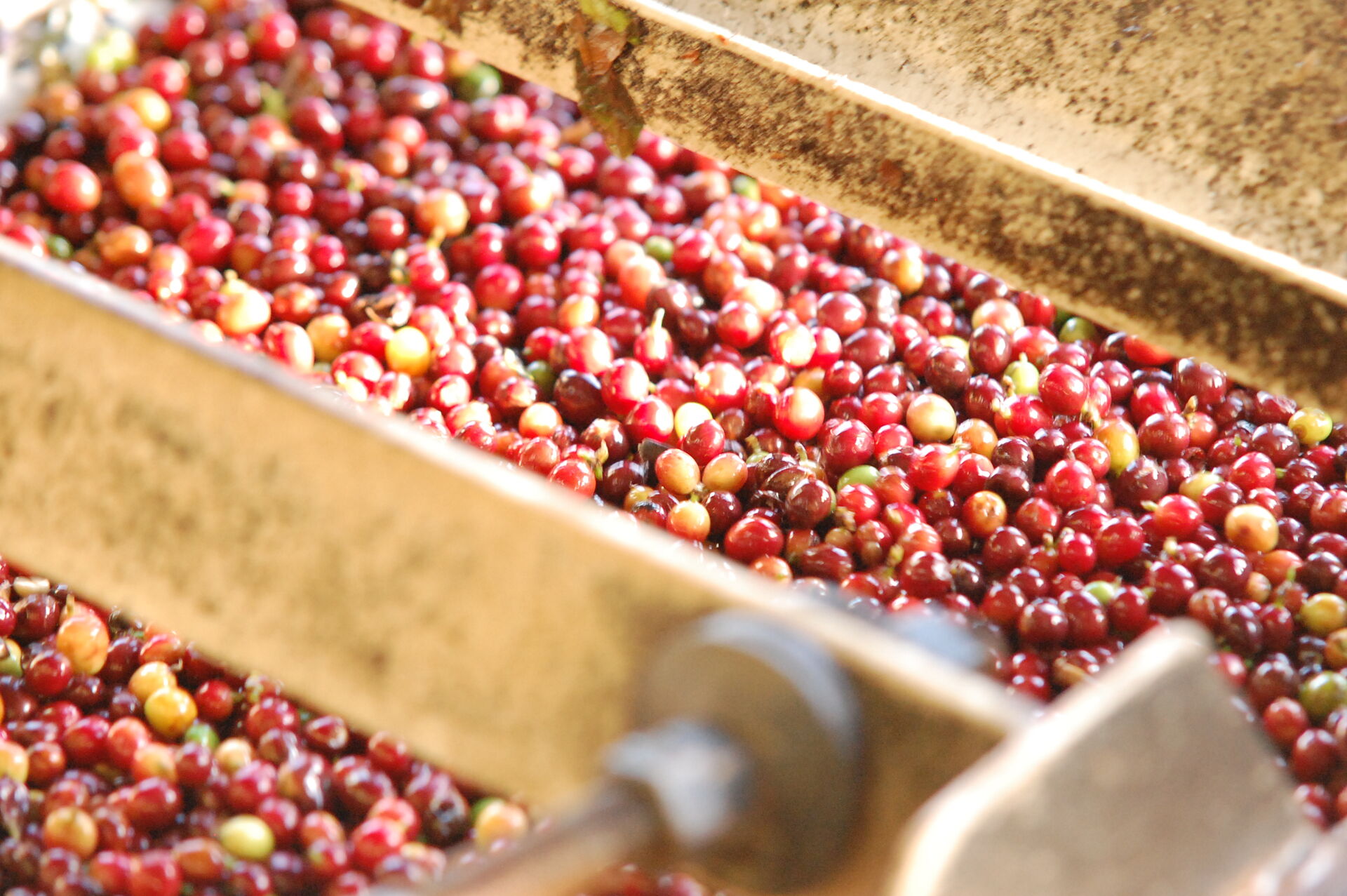
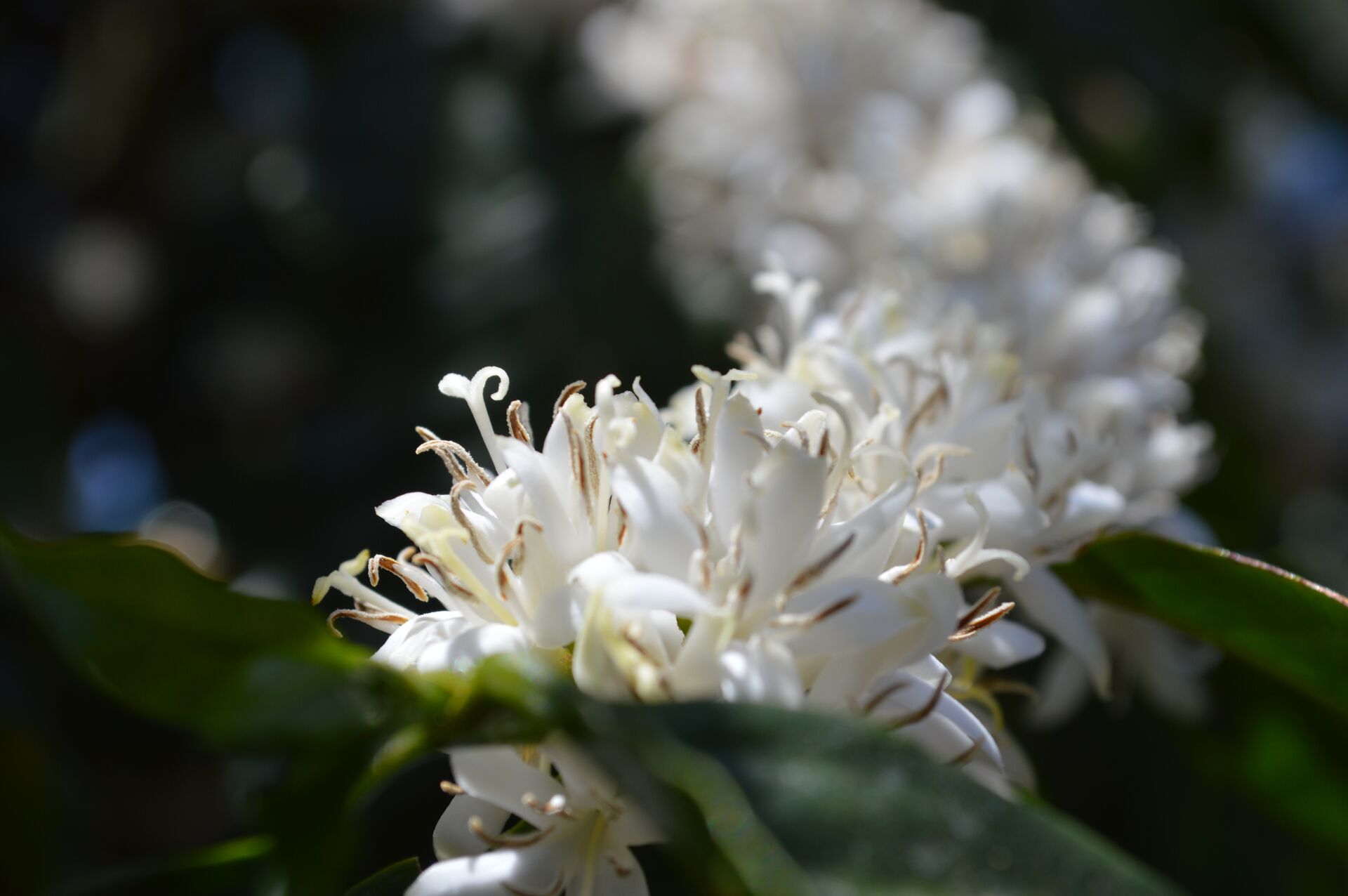
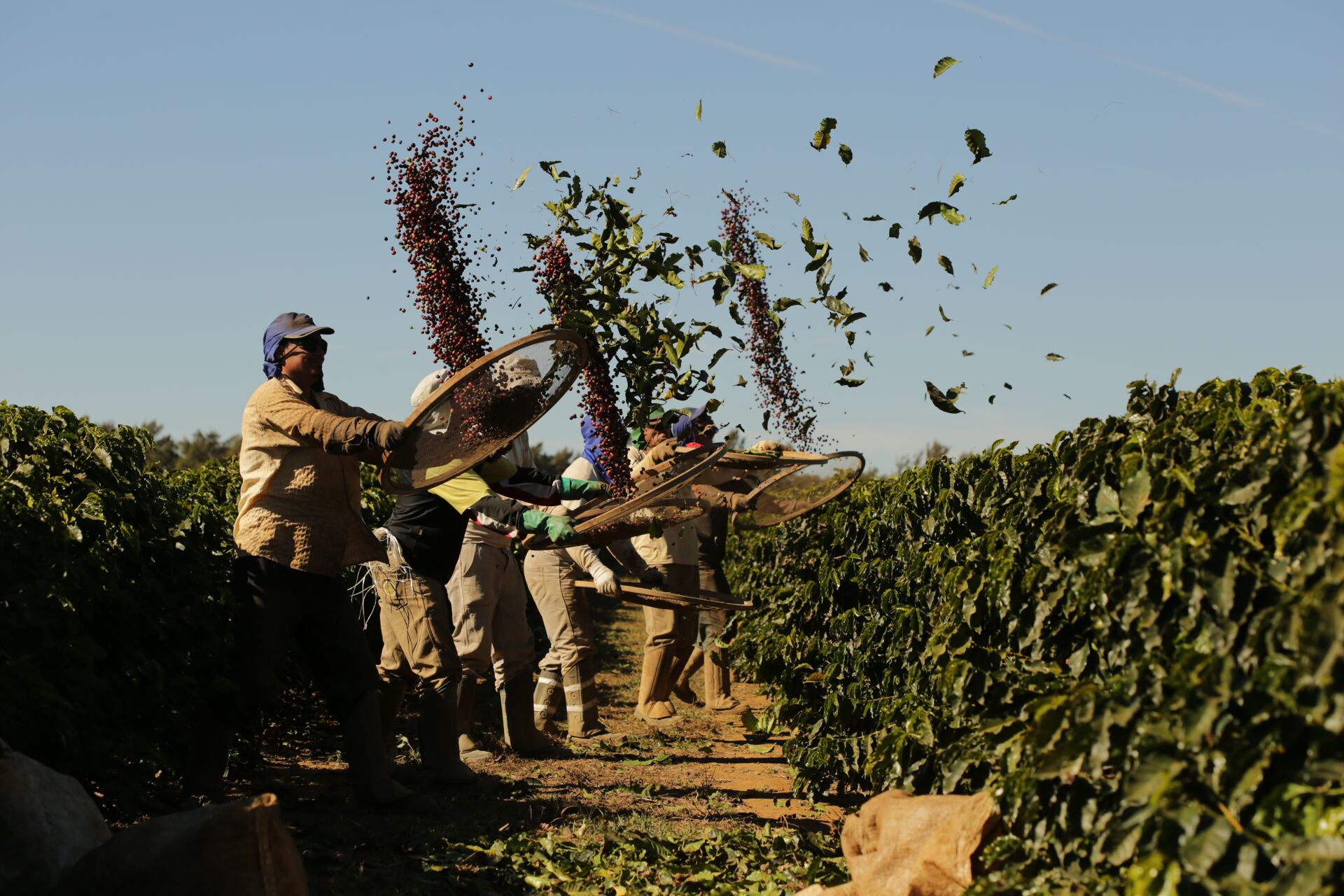
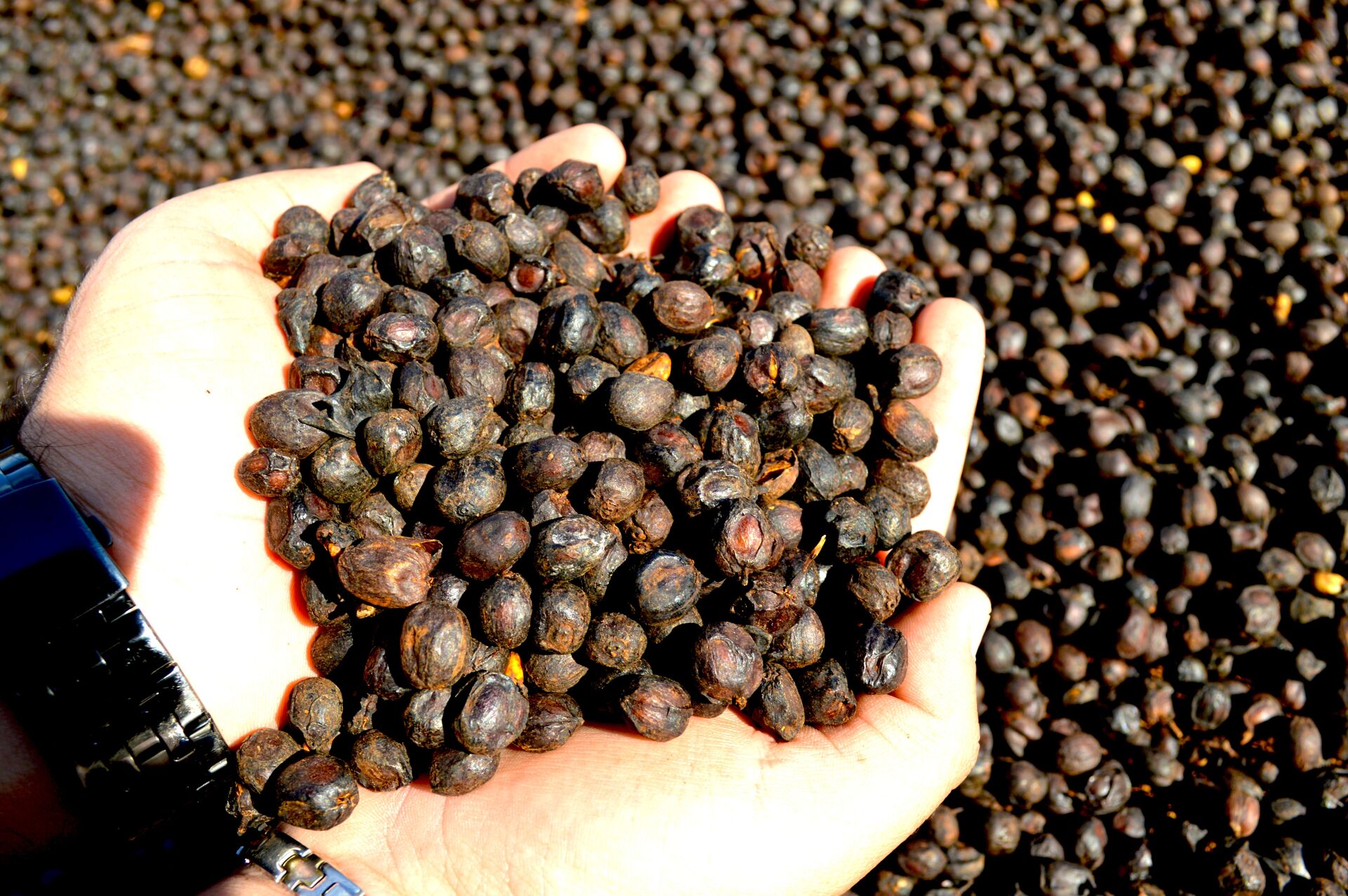
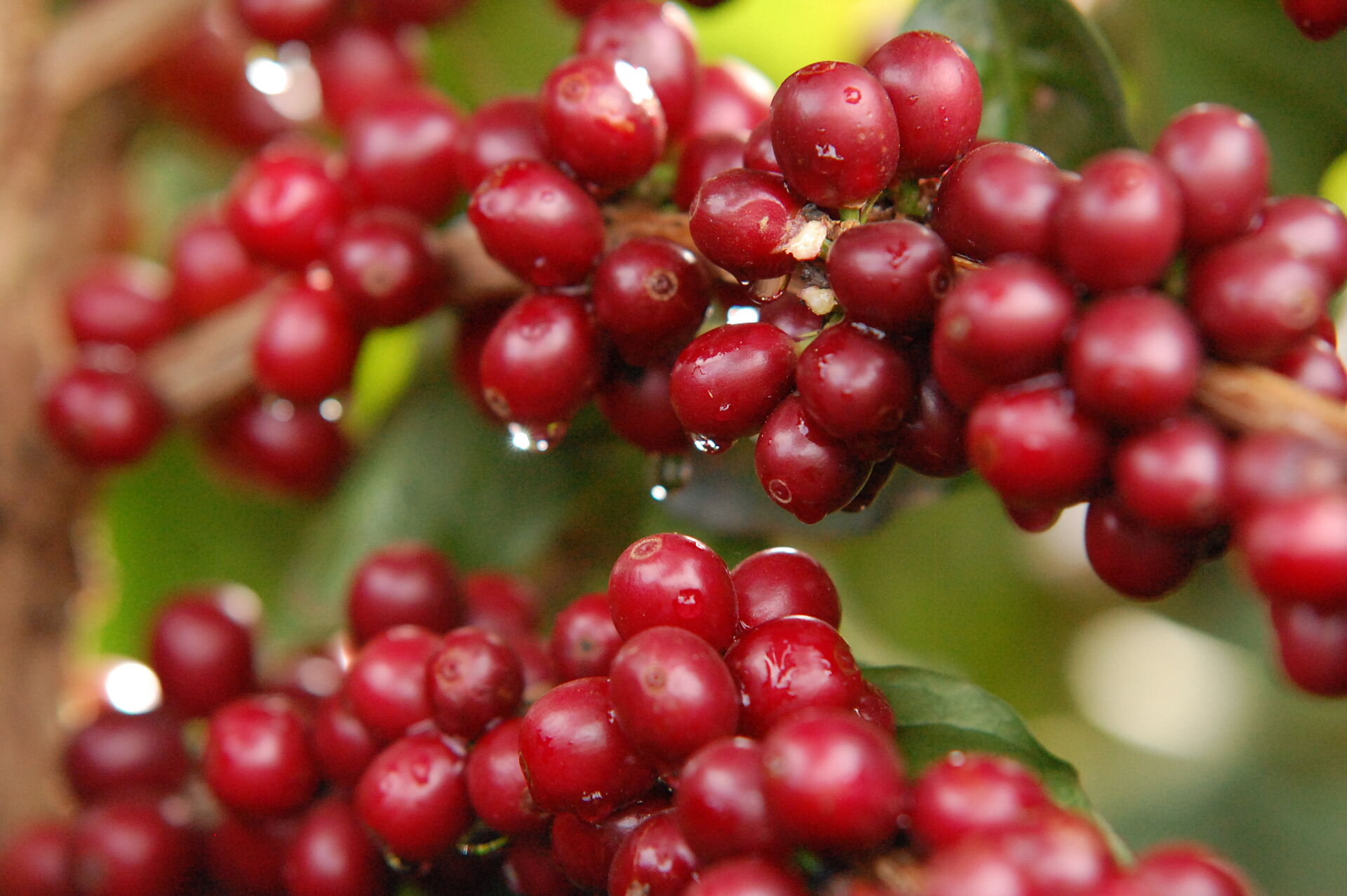
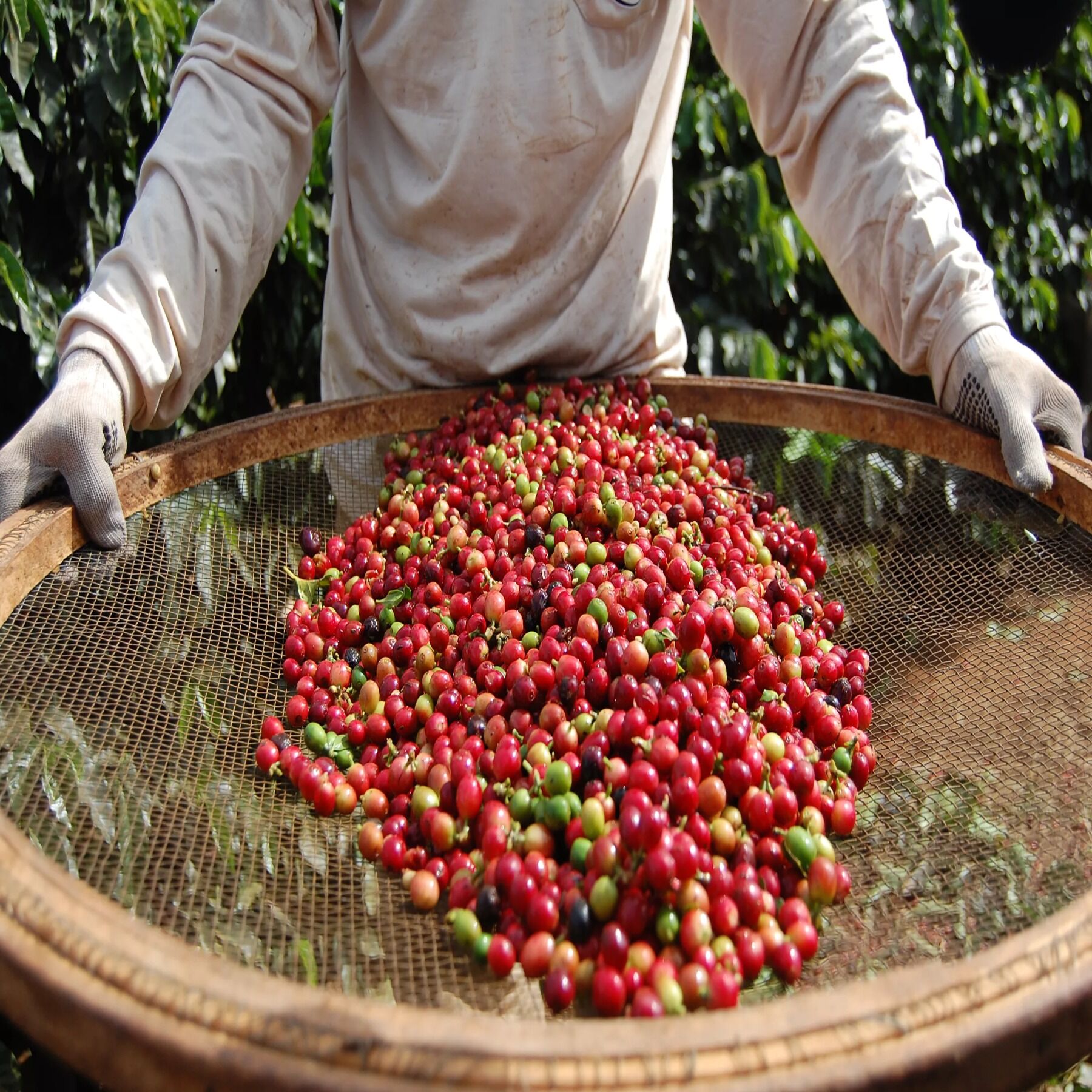
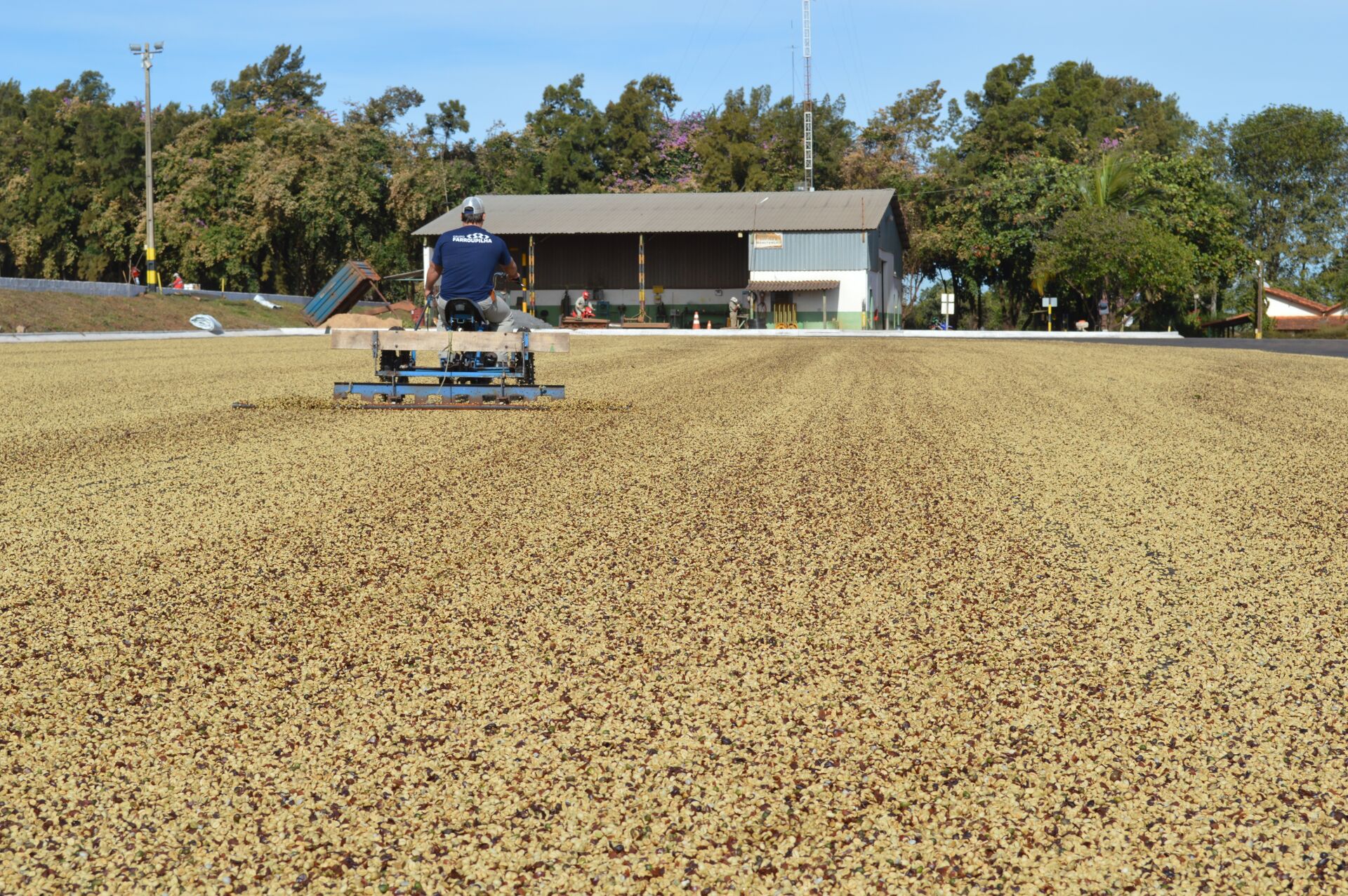
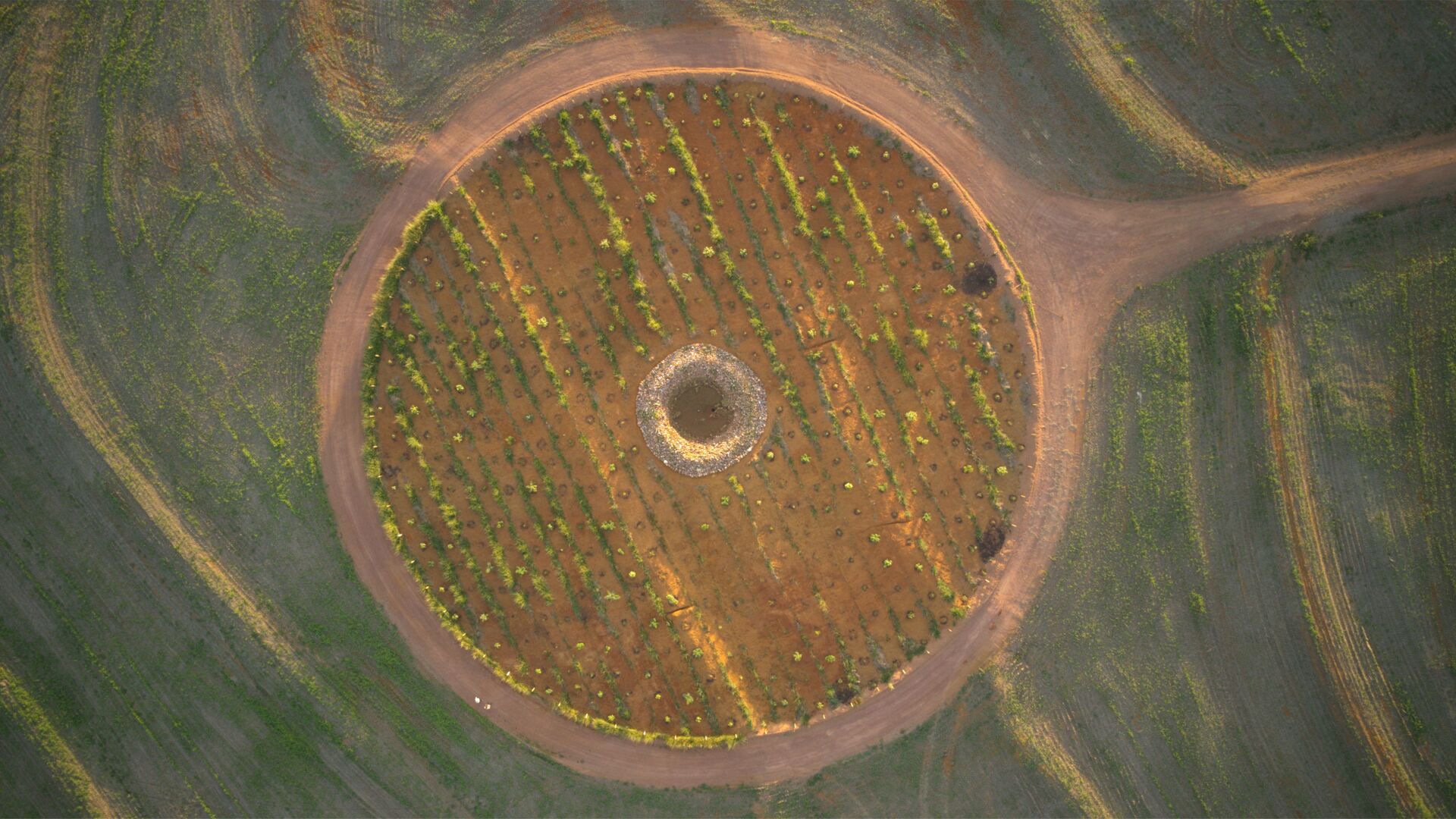
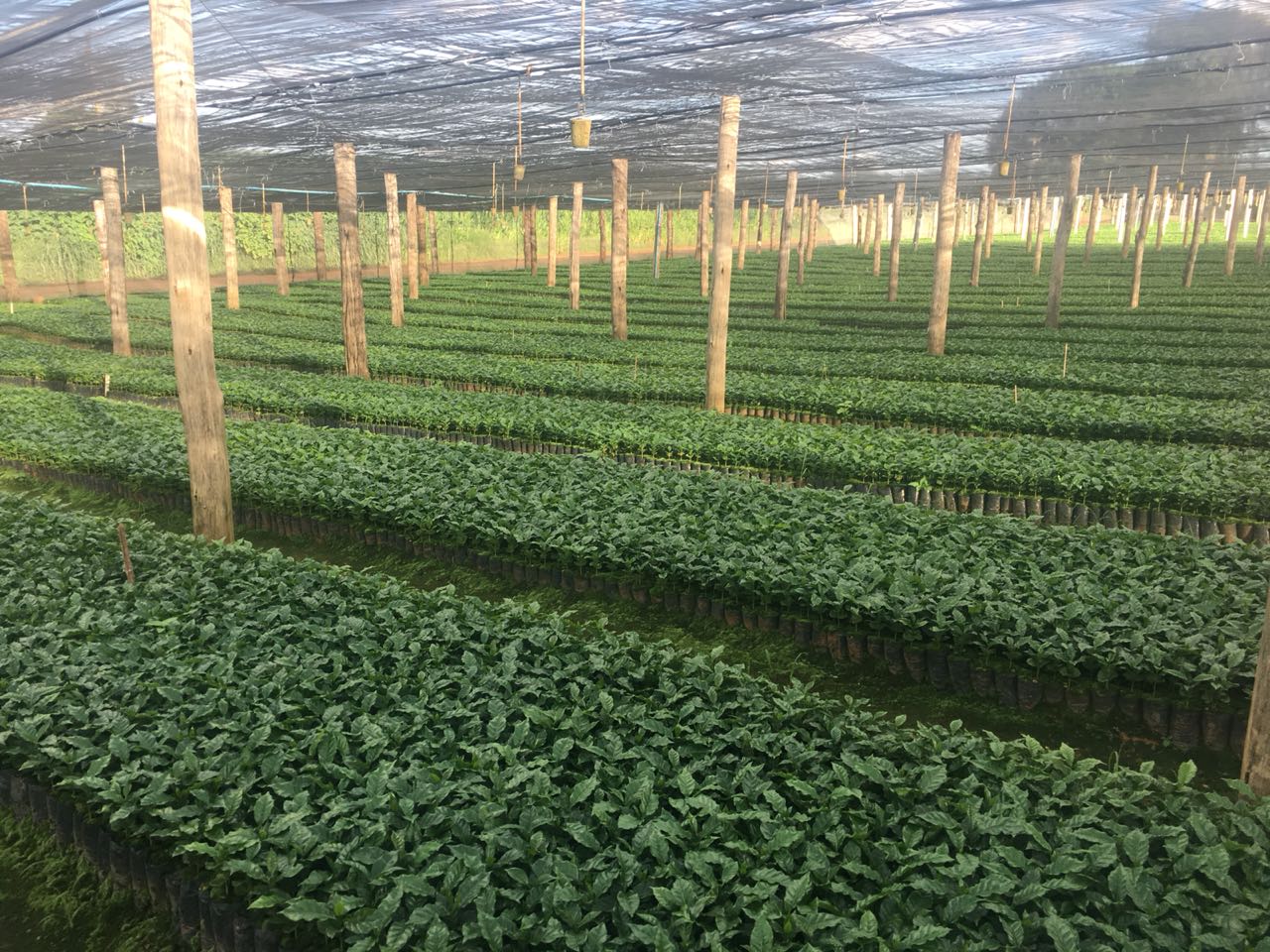
Brazil - Cerrado- Aguas de Marco - Washed - FCCO by Sail

In stock, ready to order (60kg)
History and traceability
Identity card
- OriginBrazil
- RegionCerrado
- SpeciesArabica
- ProcessWashed
- Packaging60kg - Jute bags
Your coffee’s journey
The impact of this coffee
Shipped by sail
≃80%
less carbon in sea freight
Fresh coffee, clean ocean
Combining well-sourced coffee with carbon-neutral sea freight is the future of coffee. Sailing cargo reduces pollution, protects marine life, runs on 100% renewable energy and lowers your coffee’s carbon footprint.
FCCO by Sail is Belco’s sailing cargo programme.Quality
Aromatic notes
You may also like
All green coffees →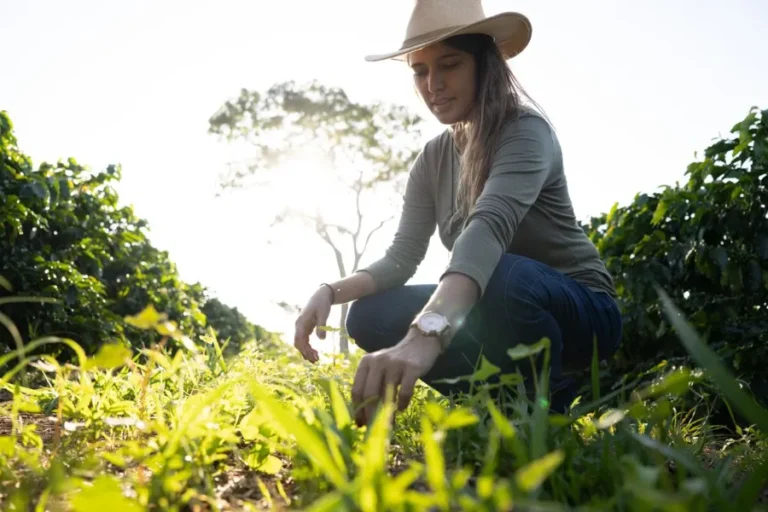
A coffee that reflects a woman’s commitment and the vitality of her land.
Vanessa Moreno


The idea behind FAF's Bob O Link project?
Yellow Bob O Link

As the world's first certified regenerative coffee plantation
Beloni
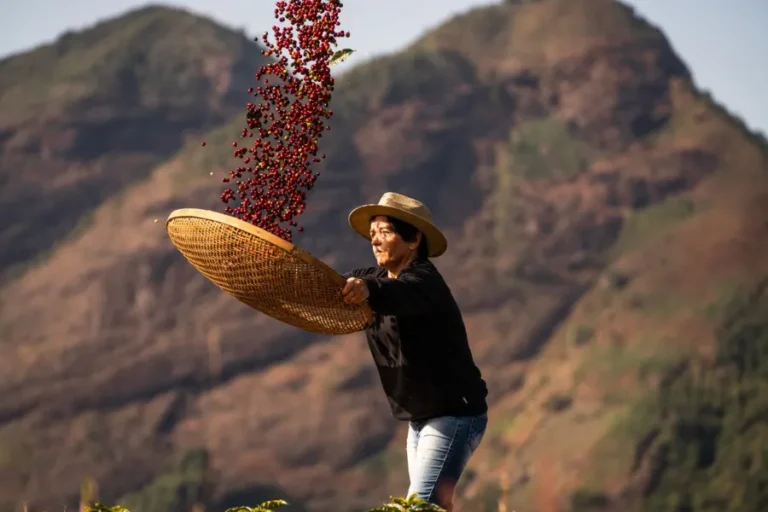
Mulheres do Caparaó is a group of women producers
Mulheres do Caparao

Mirim means "small" in the indigenous Brazilian language of Tupi-Guarani
Mirim

They have chosen to work with FAF, our partner in improving coffee quality
Serra Dos Ciganos

A coffee the fruit of generations of Cerrado producers, transported to Europe by sail
Mundo Novo Natural
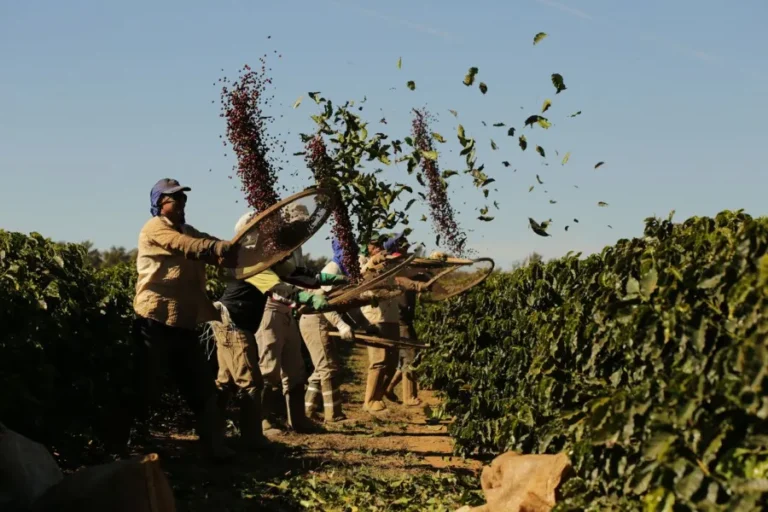
As the world's first certified regenerative coffee plantation
Beloni Selection

Cerrado Peaberry, born on Brazil’s highlands and sailing with the wind.
Peaberry
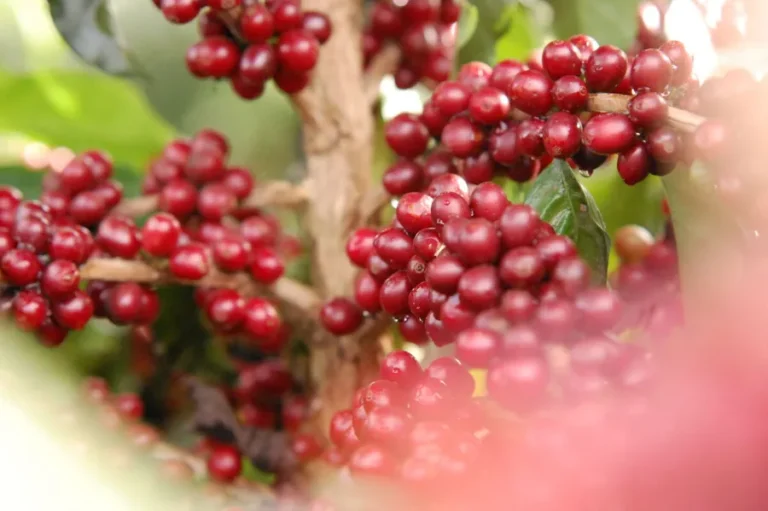
One blend, two processes: espresso the Grossi way
Espresso Blend