By origin
All origins → Ethiopia
 Guatemala
 Kenya
 Rwanda
 Indonesia
 Honduras
 Mexico
 Nicaragua
By process
By SCA score
Impact & projects
- Women producers
- Impact score 8+
- Shipped by sail (FCCO)
- Forest coffee
- Agroforestry: forest level
- Certified organic
- High Nature Value
Availability
SCA-scored specialty lots from 24 origins, selected by Belco France.
See all coffeesRequest a sampleBy origin
Selections
Cacao lots
 Cooperativa Barra Ciega
- Cooperativa Cacahuatl
- Finca Chiquihuat
- Finca La Catarina
- Finca Los Angeles
- Finca Parras Lempa
- Hacienda Comalapa
 Hacienda Dos Lagunas
- Hacienda La Carrera
 Jorge Takahashi
 Opita
Fermentation rates of our fine-flavour cacao lots — including three Cacao of Excellence winners.
See all cacaoRequest a sample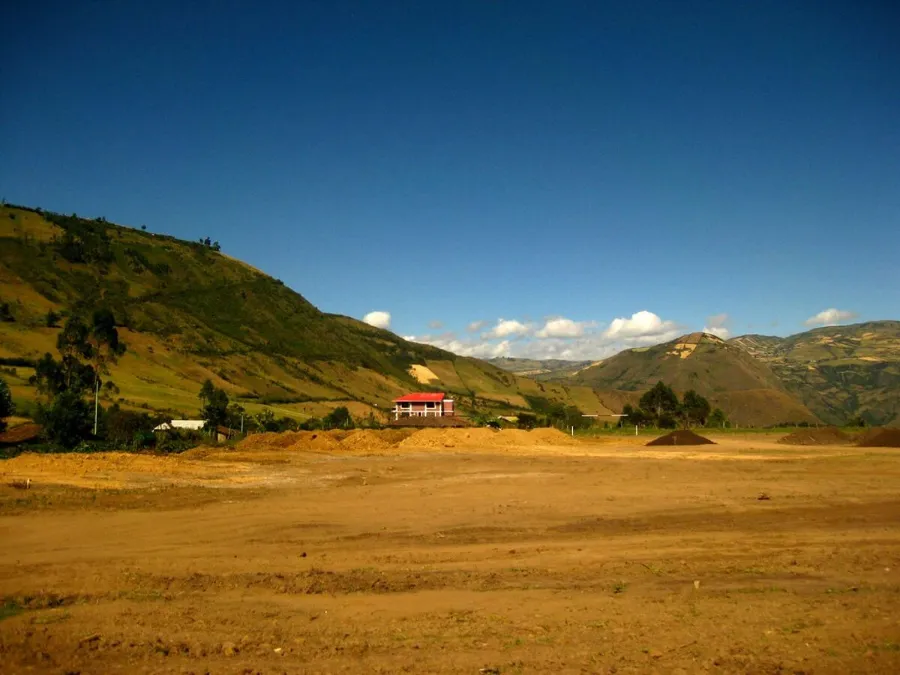
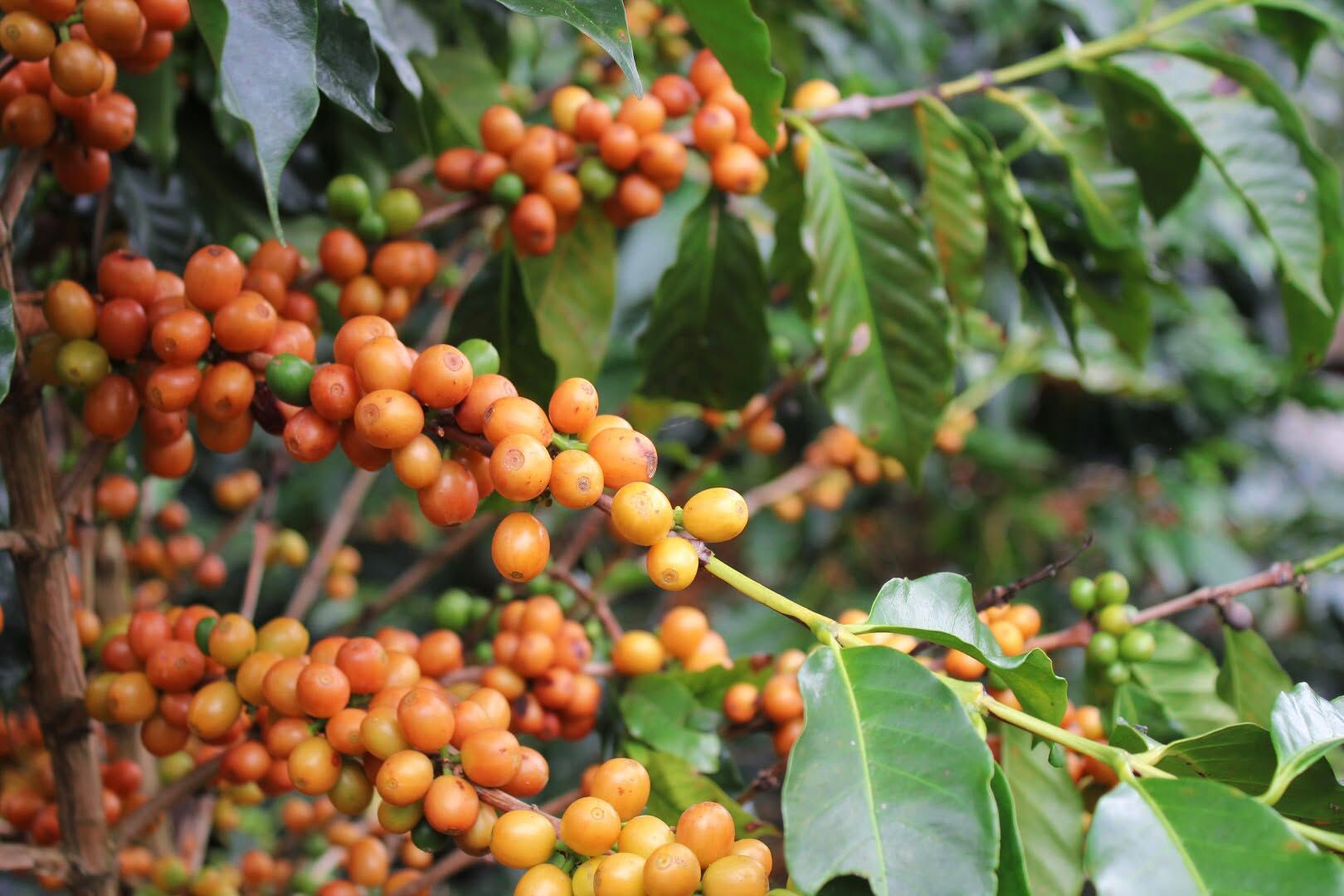
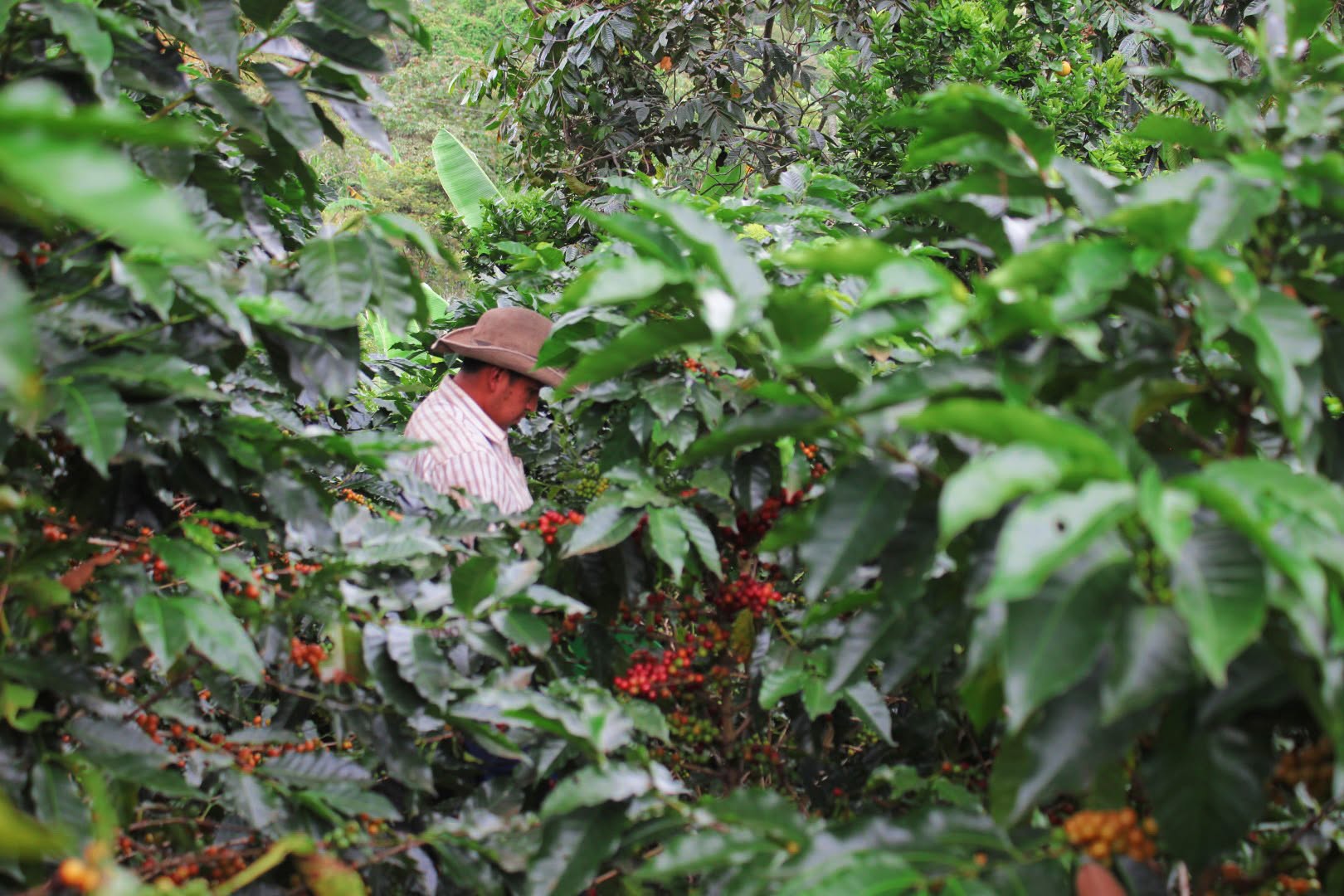
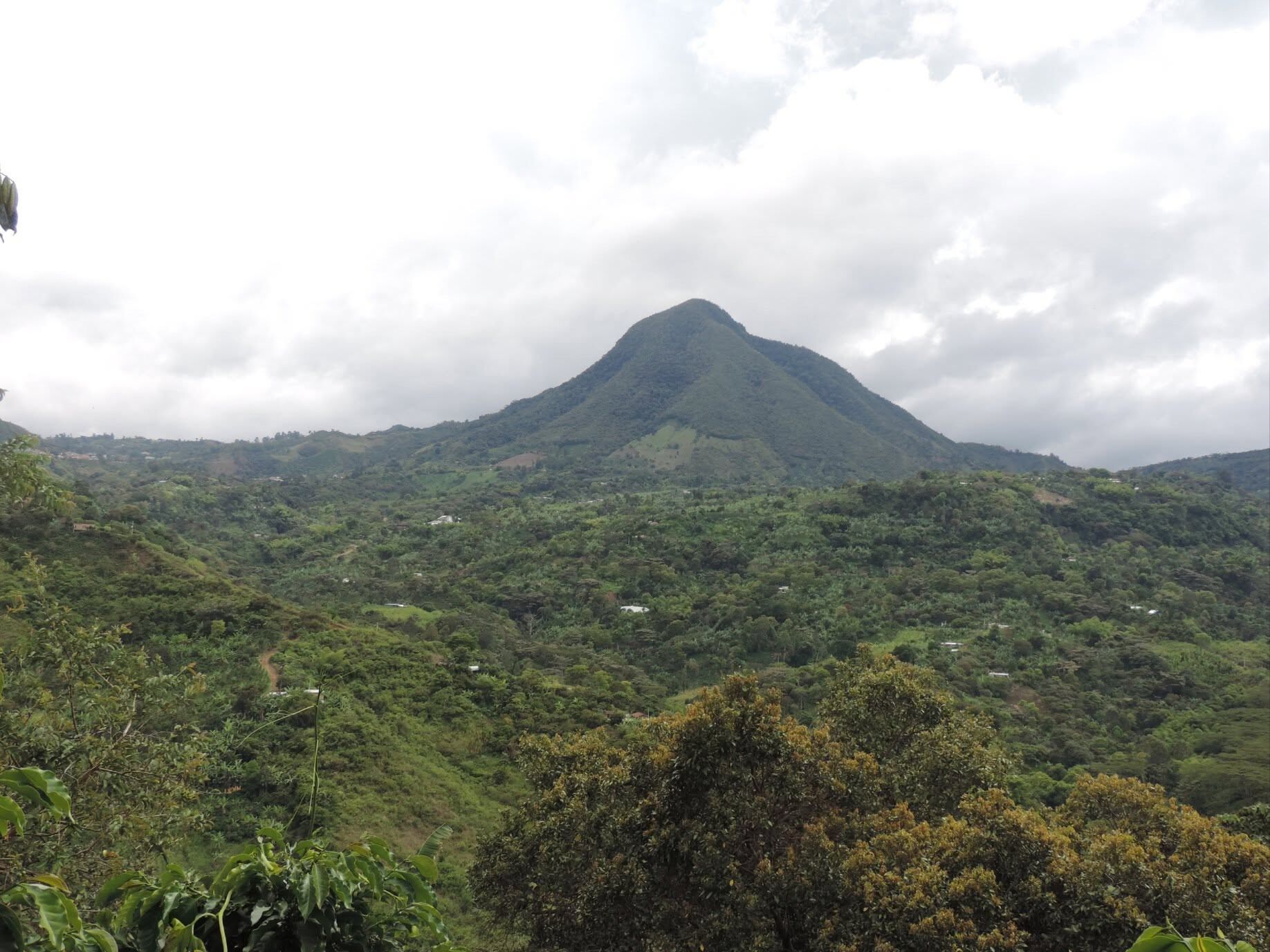
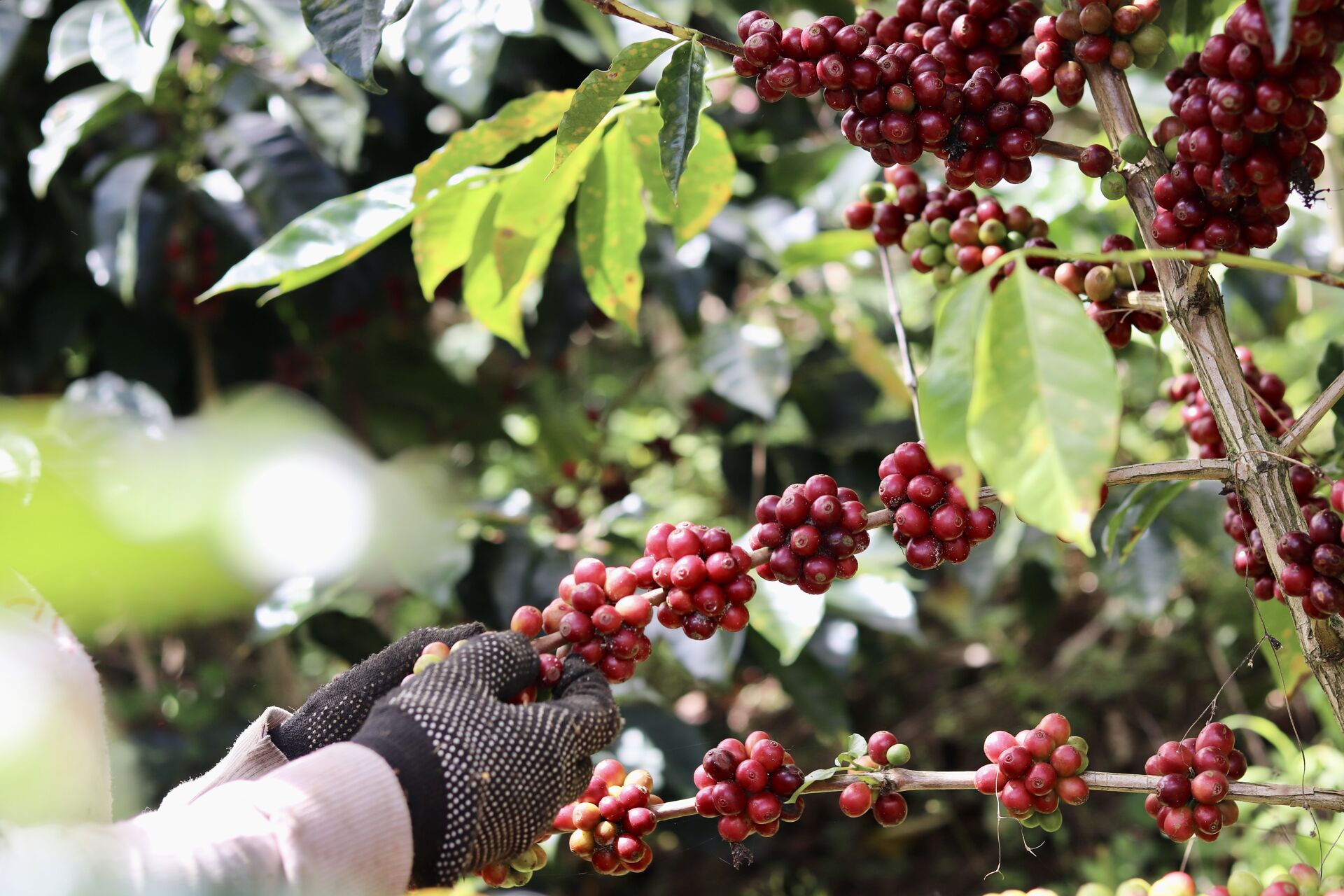
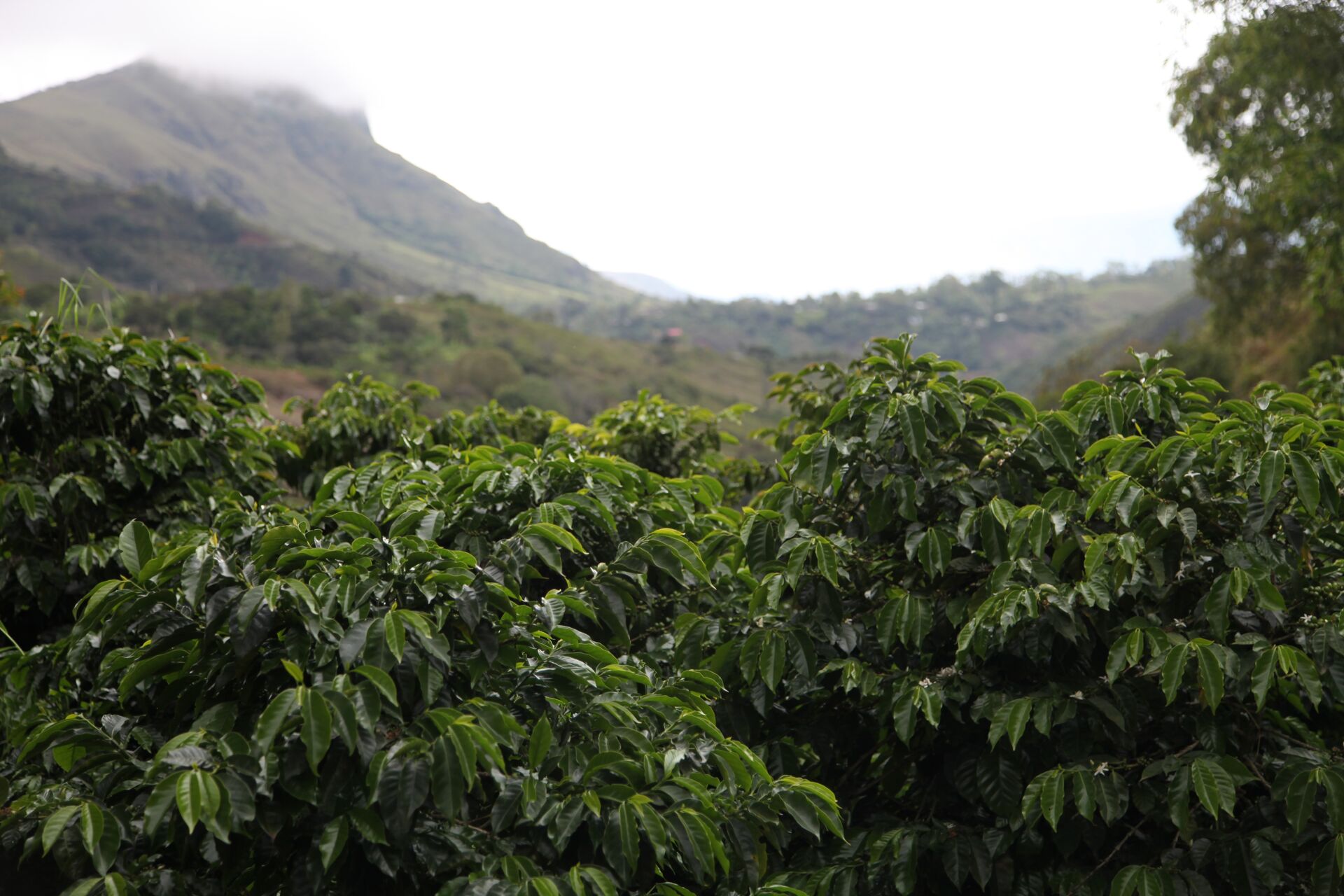
Strawberry
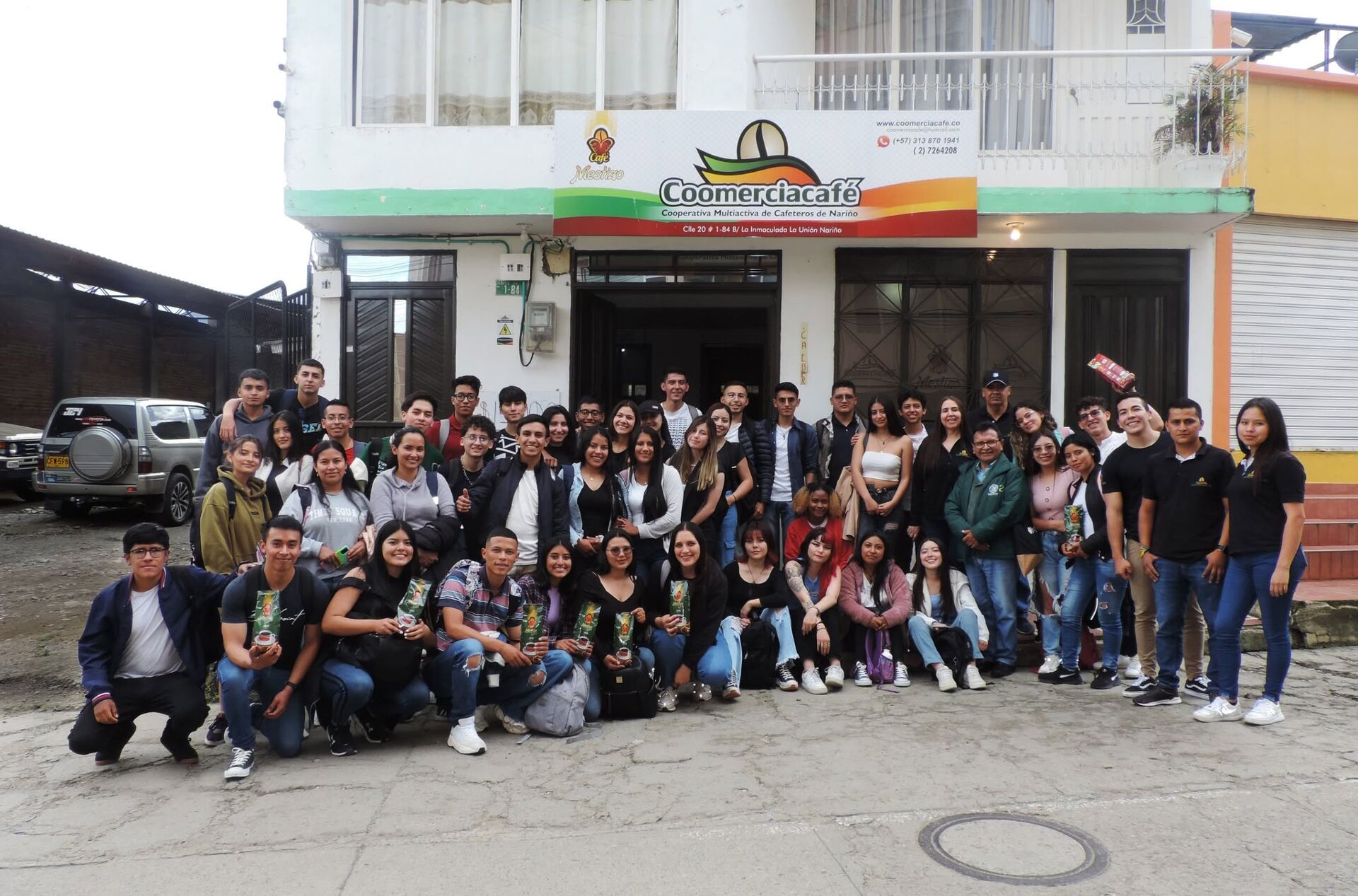
Colombia - Nariño - La Union - STRAWBERRY - SCA Grade 1 - Castillo - Colombia - Washed - by Sail

Available on contract (70kg)
History and traceability
Identity card
- OriginColombia
- RegionNariño
- TerroirLa Union
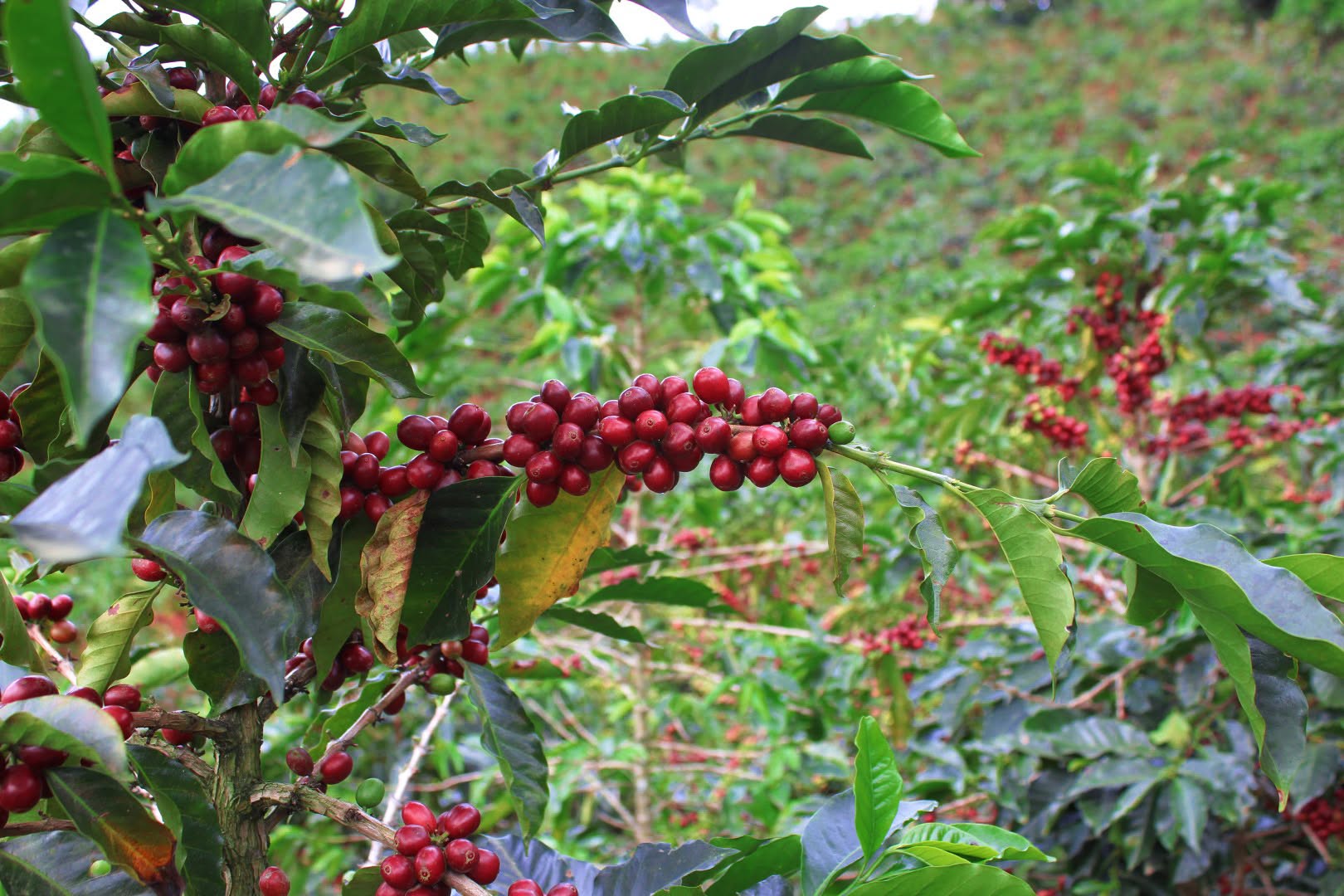
- SpeciesArabica
- VarietiesCastillo, Colombia
- ProcessWashed
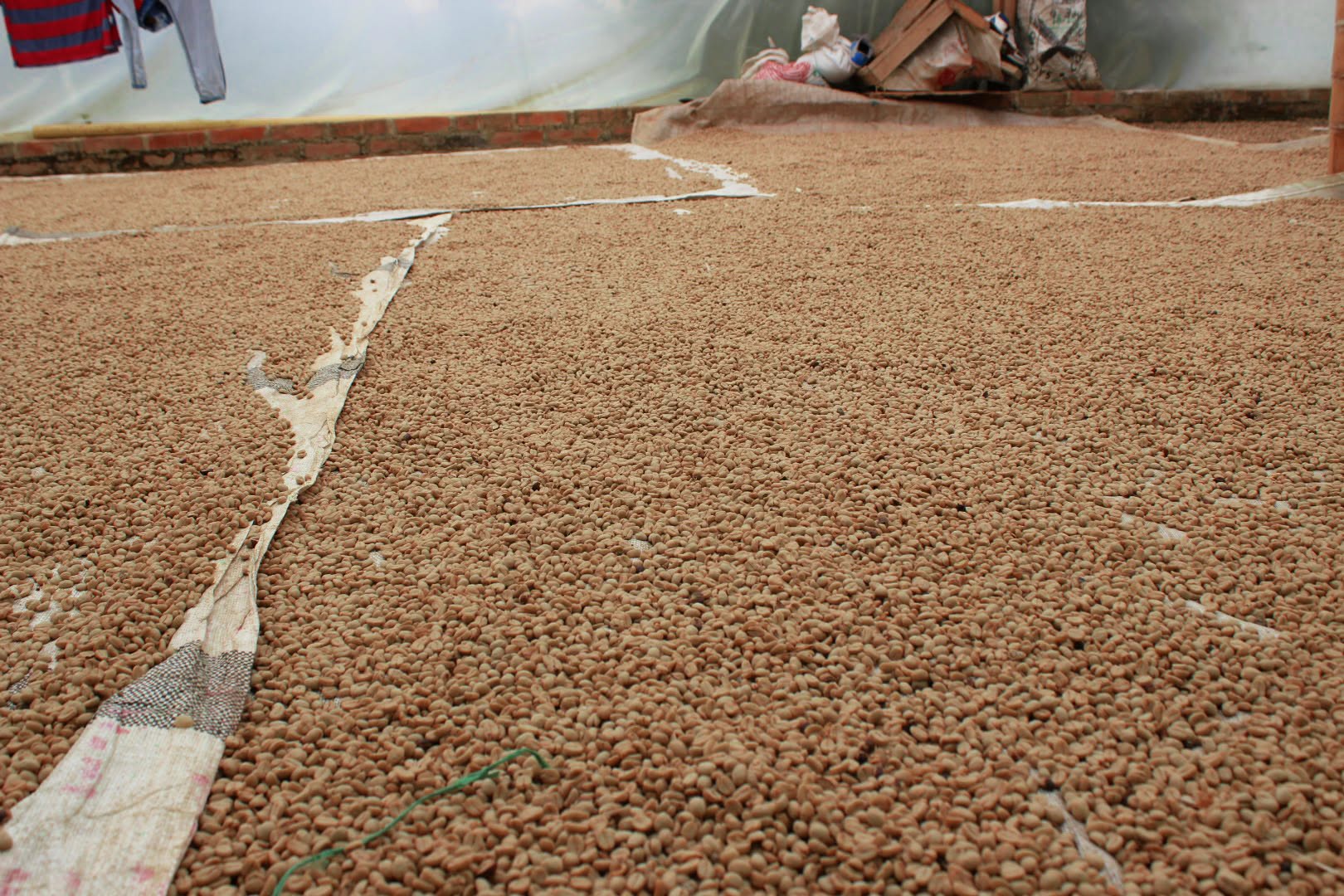
- DryingPatios
- Packaging70kg - Sisal bags
- Altitude1800 - 2100 m
- Harvest periodMay – July
- Type of harvestHand-picked
Your coffee’s journey
The impact of this coffee
Shipped by sail
≃80%
less carbon in sea freight
Fresh coffee, clean ocean
Combining well-sourced coffee with carbon-neutral sea freight is the future of coffee. Sailing cargo reduces pollution, protects marine life, runs on 100% renewable energy and lowers your coffee’s carbon footprint.
FCCO by Sail is Belco’s sailing cargo programme.Quality
Aromatic notes
You may also like
All green coffees →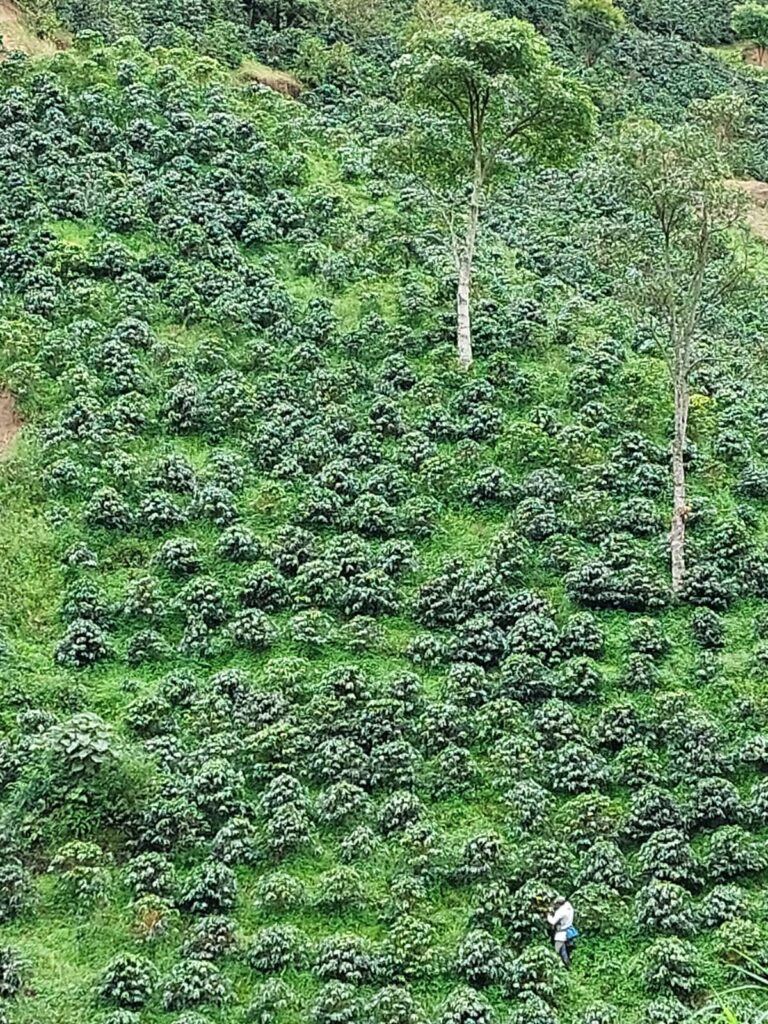
Bold genetics, extended natural fermentation, unforgettable depth.
Pacamara Wild Bloom
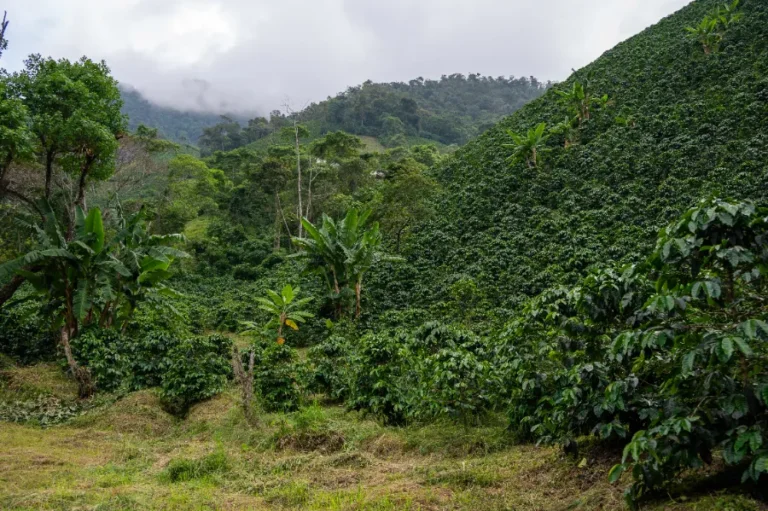
Tradition nurtured, Geisha revealed.
La Manoa
A Geisha shaped by family, nature and time.
La Manoa
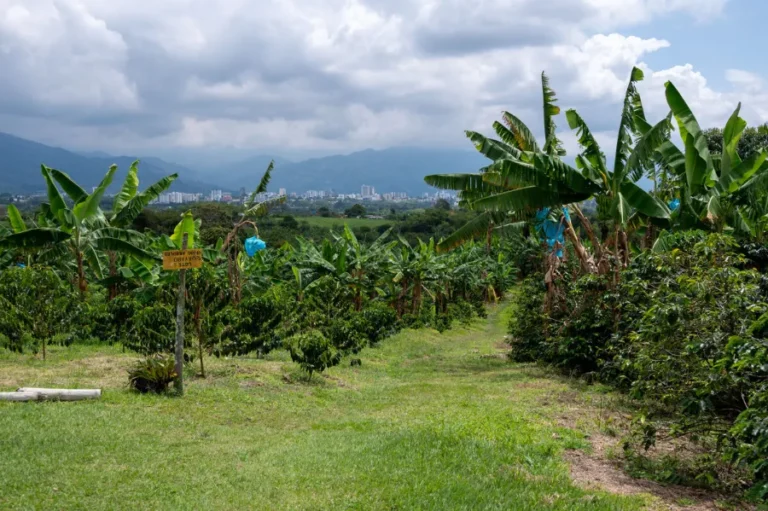
A tribute to the woman who planted the future
Dilia - Primavera

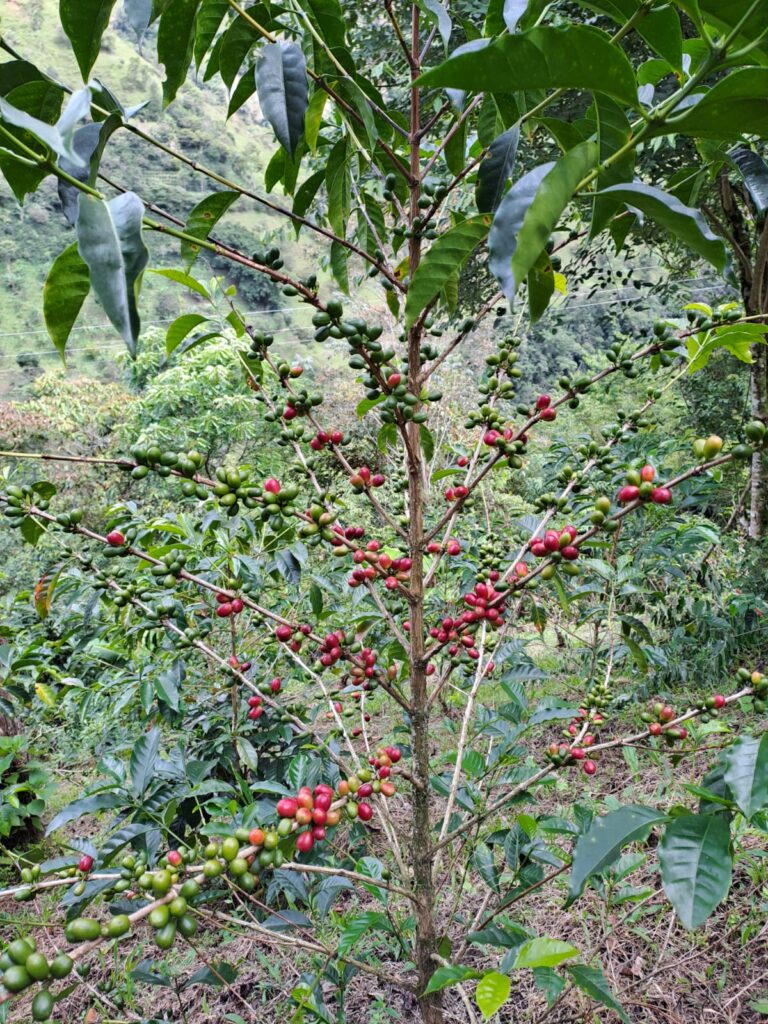
A celebrated variety nurtured by Indigenous knowledge and mountain terroir.
Geisha of Gaitania

Coffee from the FABRICA project
Fabrica
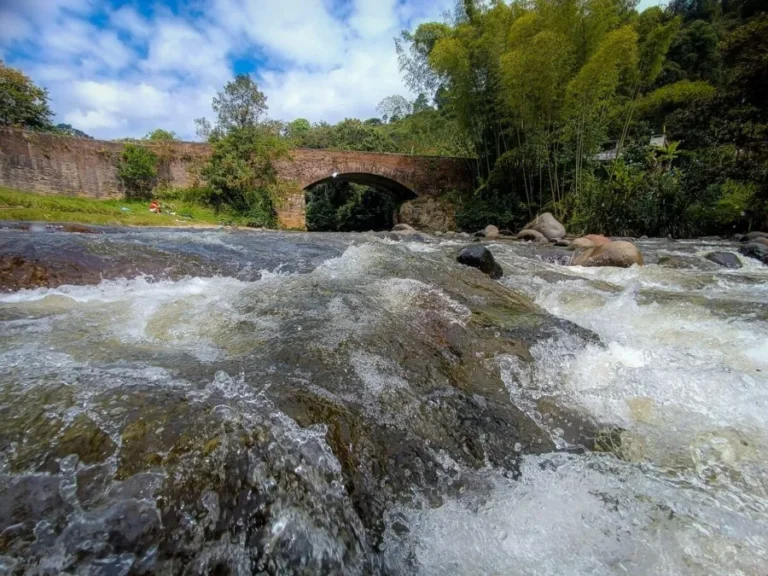
Ensuring a more prosperous future for farmers in the region
Piendamo #1
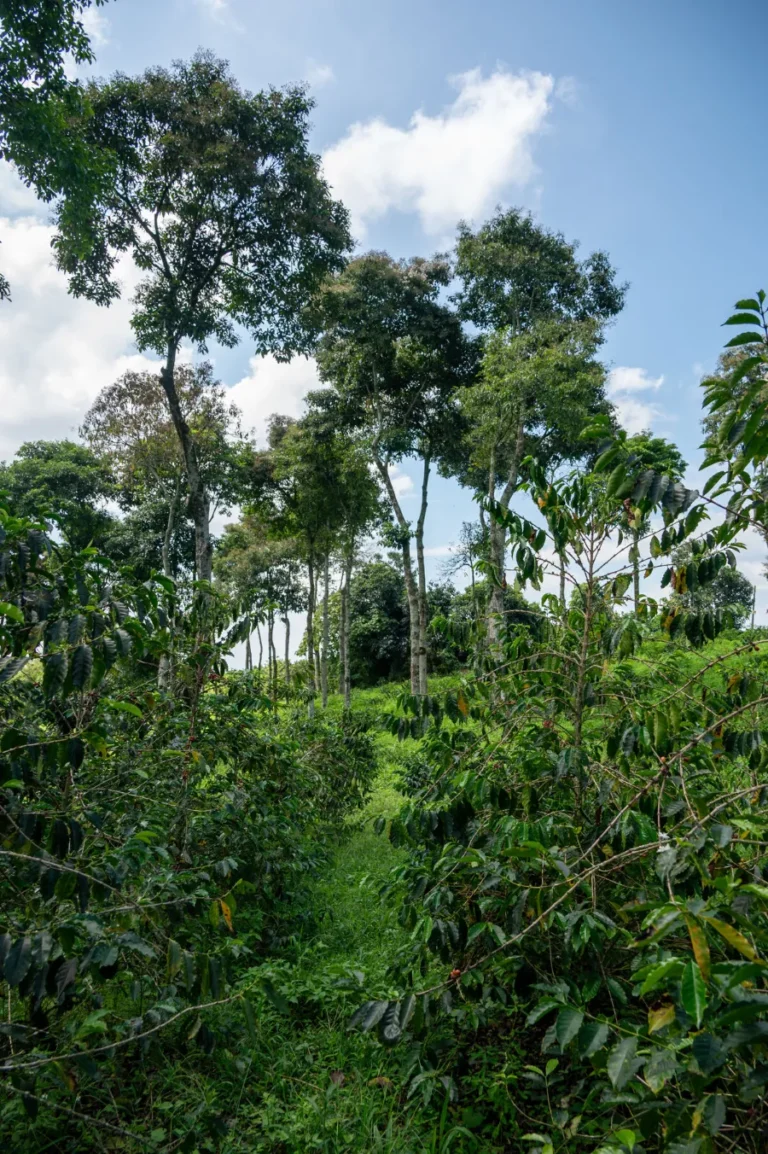
A vibrant Pink Bourbon grown with patience, harvested with purpose.
Buenos Aires

Pink Bourbon: the rare beauty of coffee.
Bourbon Rose
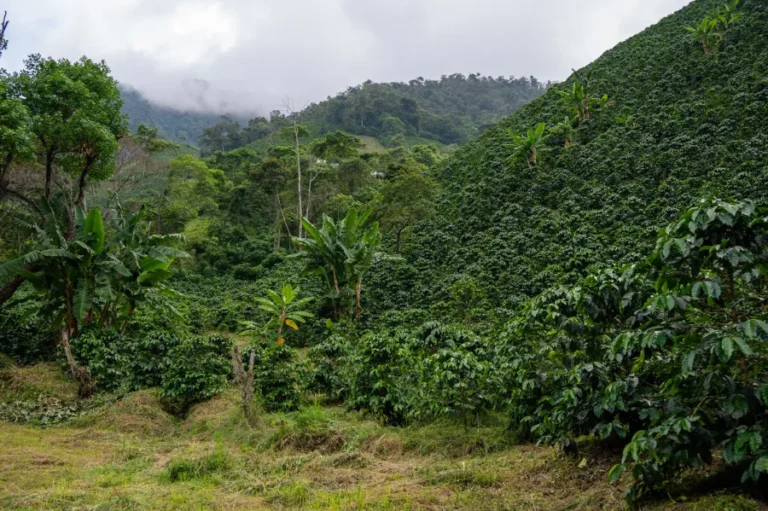
Wush Wush, naturally radiant
La Manoa