+90 534 884 28 00Mon – Fri 10:00 – 20:00 (GMT+3)
By origin
All origins → Ethiopia
 Guatemala
 Kenya
 Rwanda
 Indonesia
 Honduras
 Mexico
 Nicaragua
By process
By SCA score
Impact & projects
- Women producers
- Impact score 8+
- Shipped by sail (FCCO)
- Forest coffee
- Agroforestry: forest level
- Certified organic
- High Nature Value
Availability
400+
SCA-scored specialty lots from 24 origins, selected by Belco France.
See all coffeesRequest a sampleBy origin
Selections
Cacao lots
 Cooperativa Barra Ciega
- Cooperativa Cacahuatl
- Finca Chiquihuat
- Finca La Catarina
- Finca Los Angeles
- Finca Parras Lempa
- Hacienda Comalapa
 Hacienda Dos Lagunas
- Hacienda La Carrera
 Jorge Takahashi
 Opita
%70–88
Fermentation rates of our fine-flavour cacao lots — including three Cacao of Excellence winners.
See all cacaoRequest a sample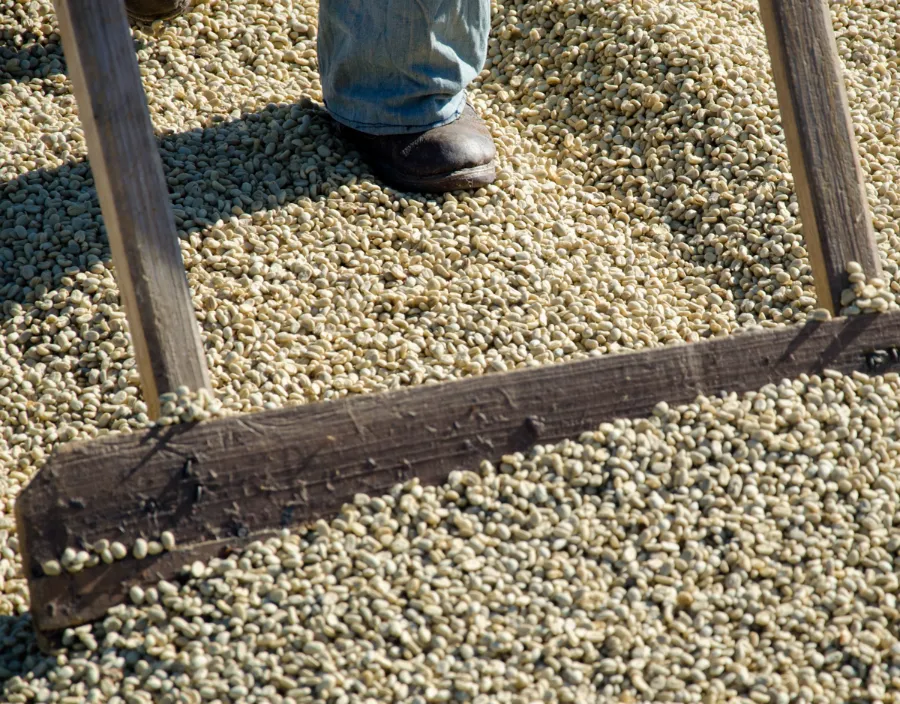
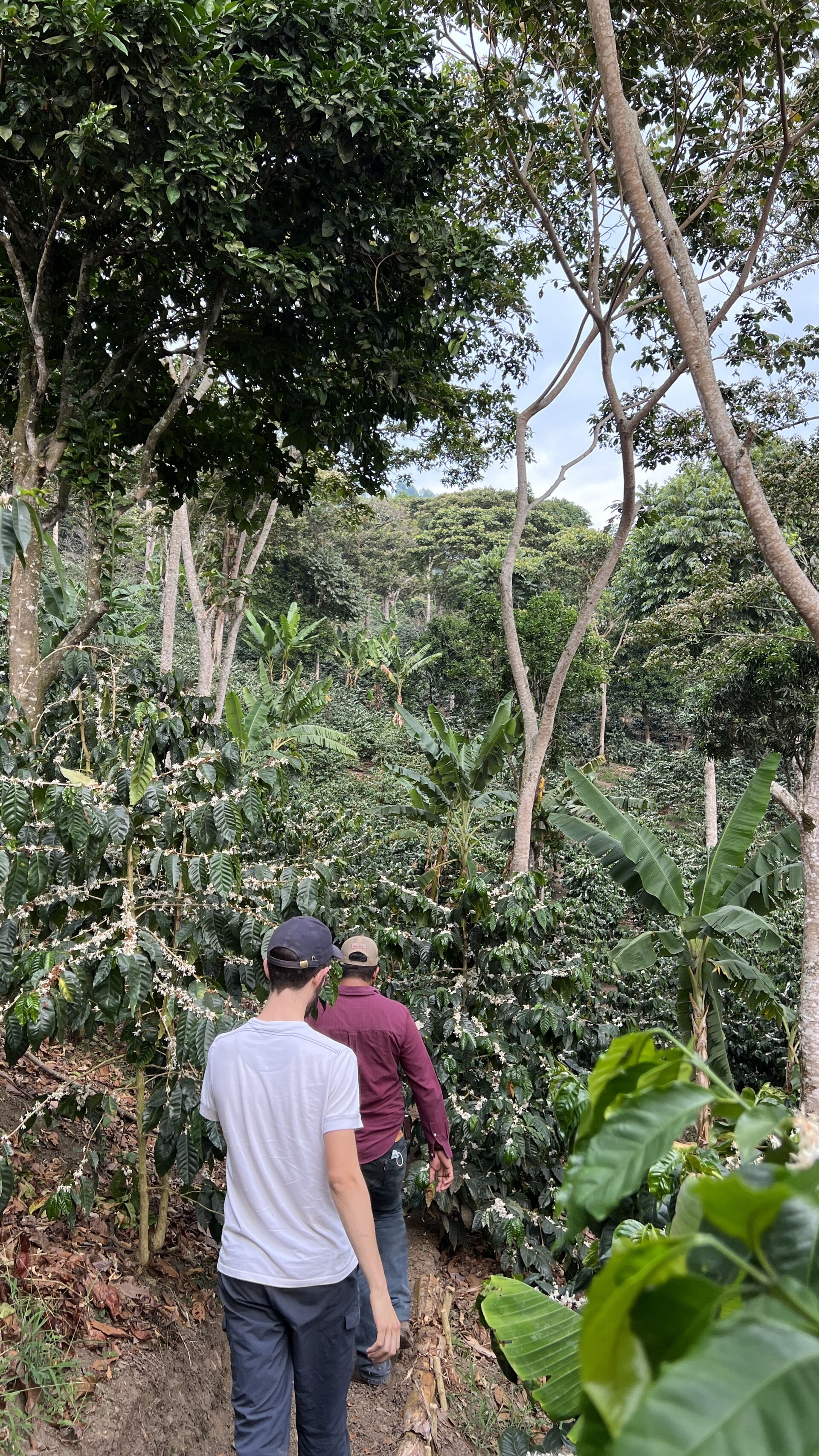
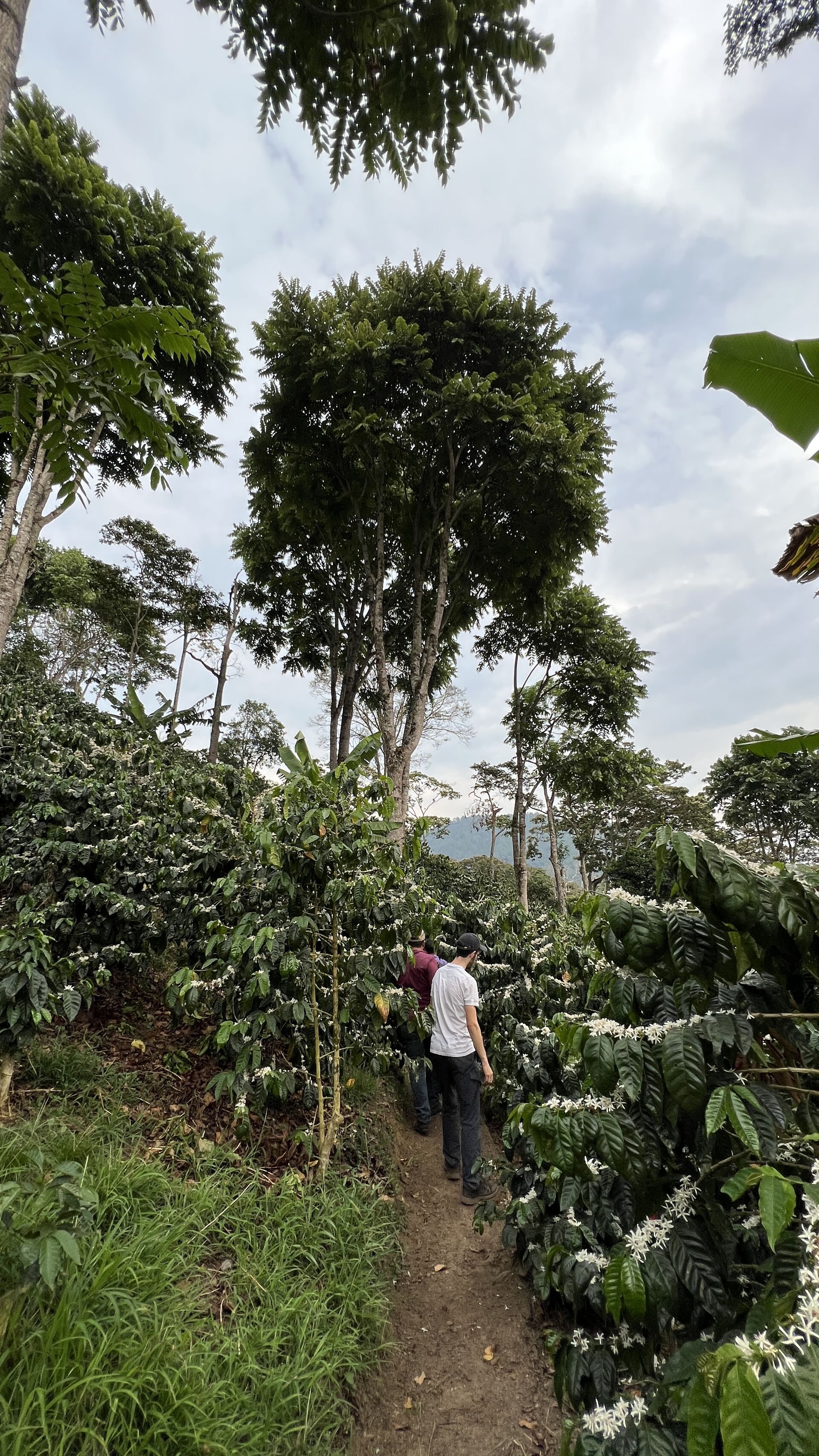
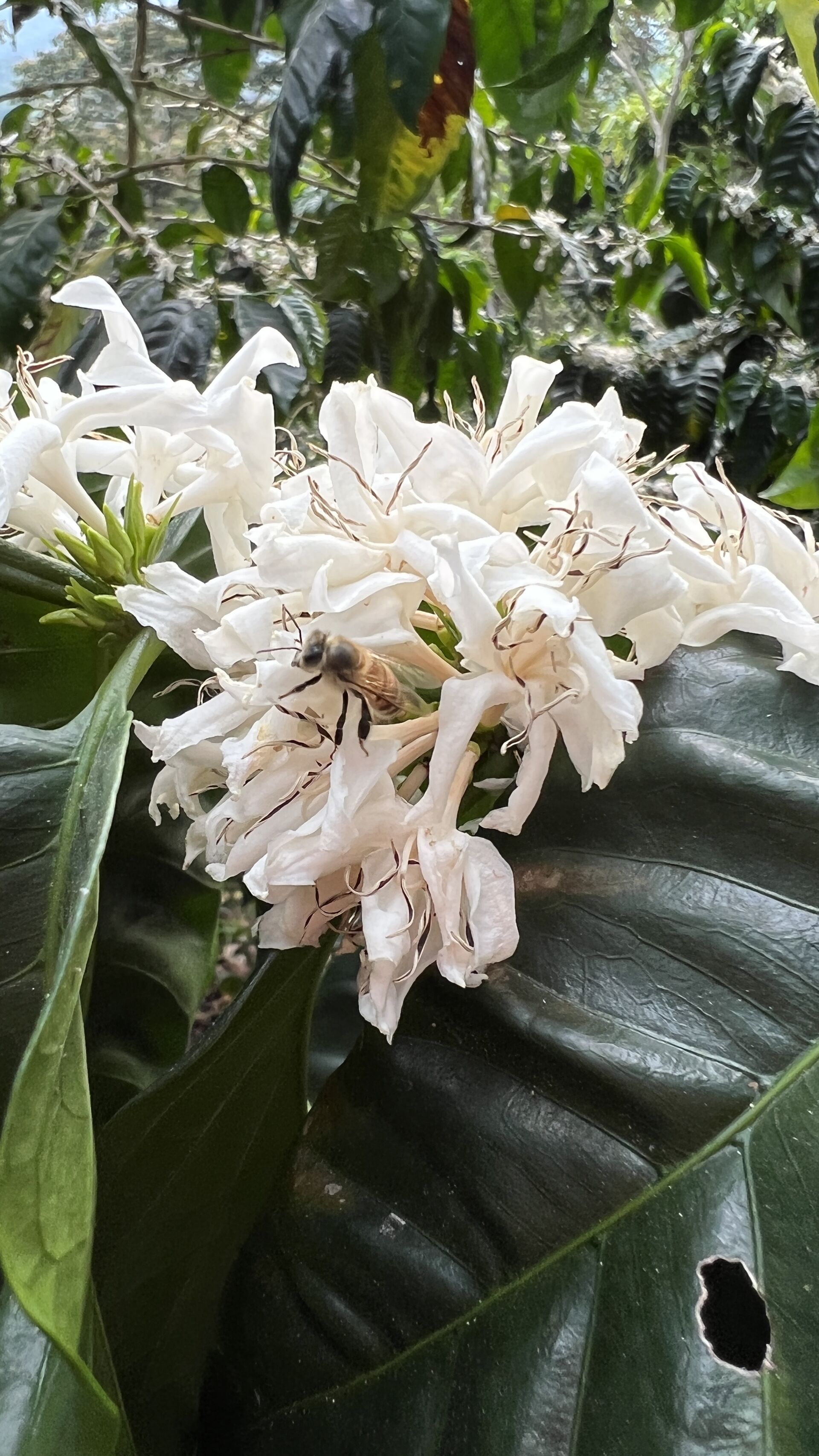
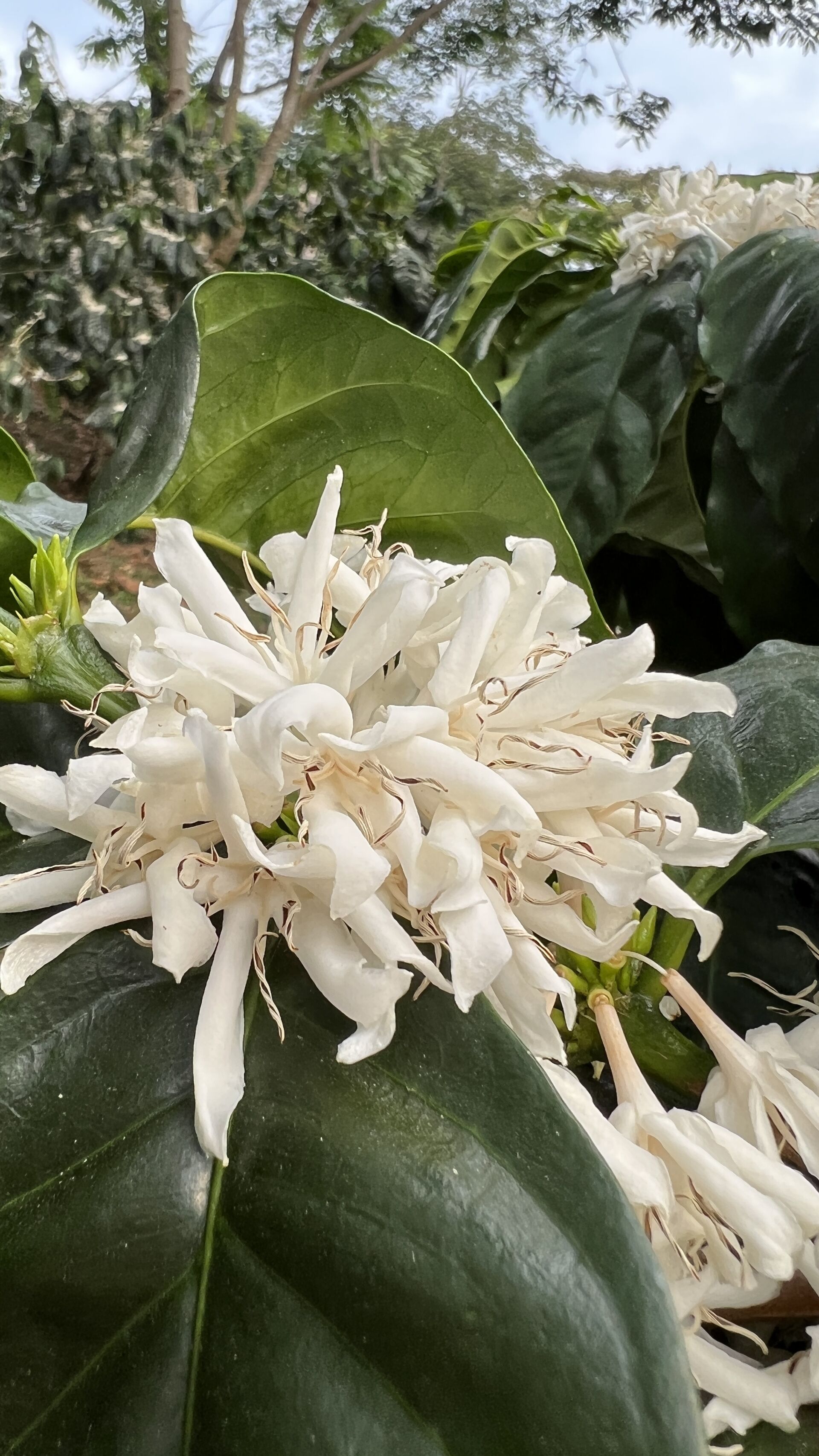
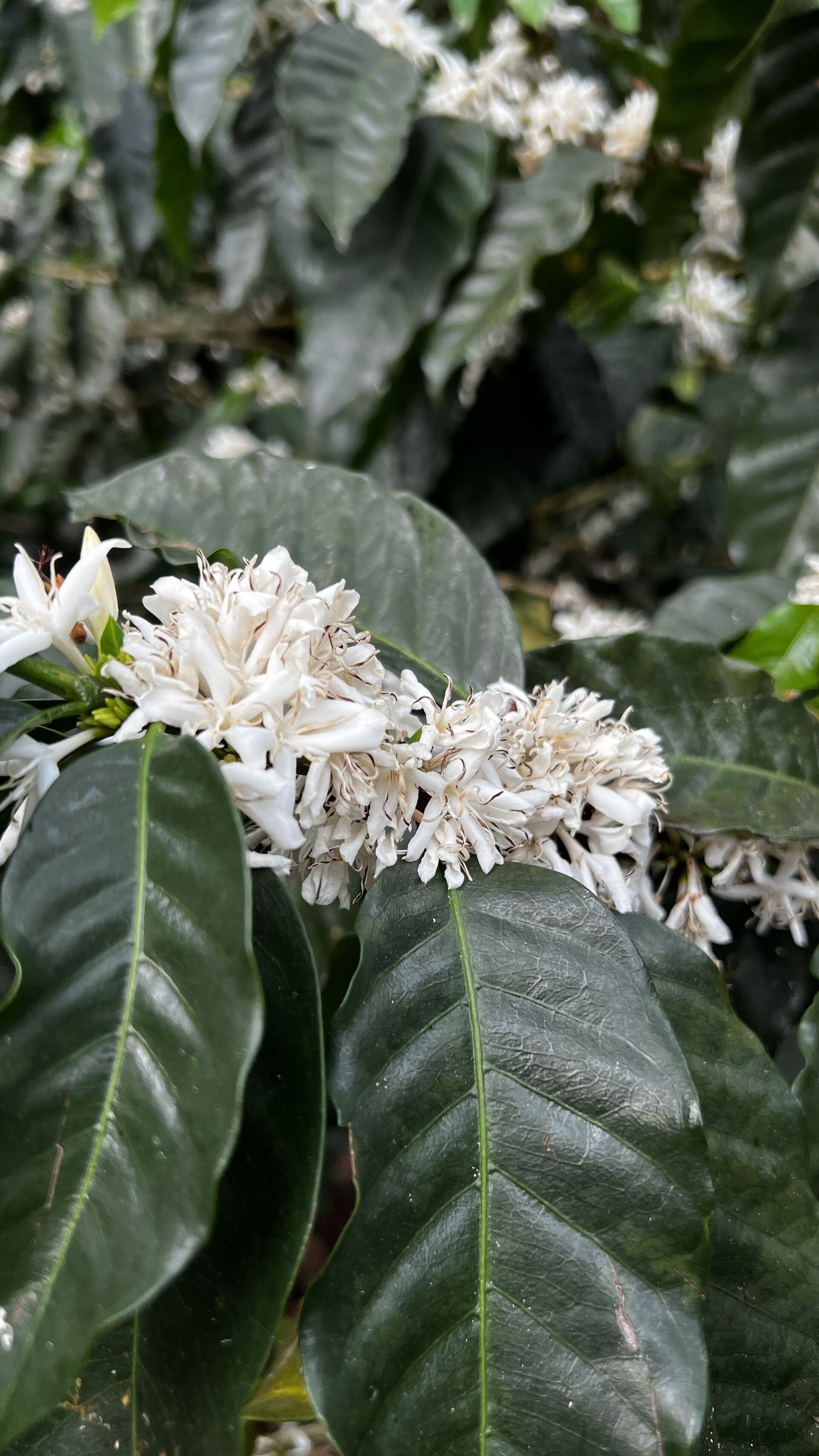
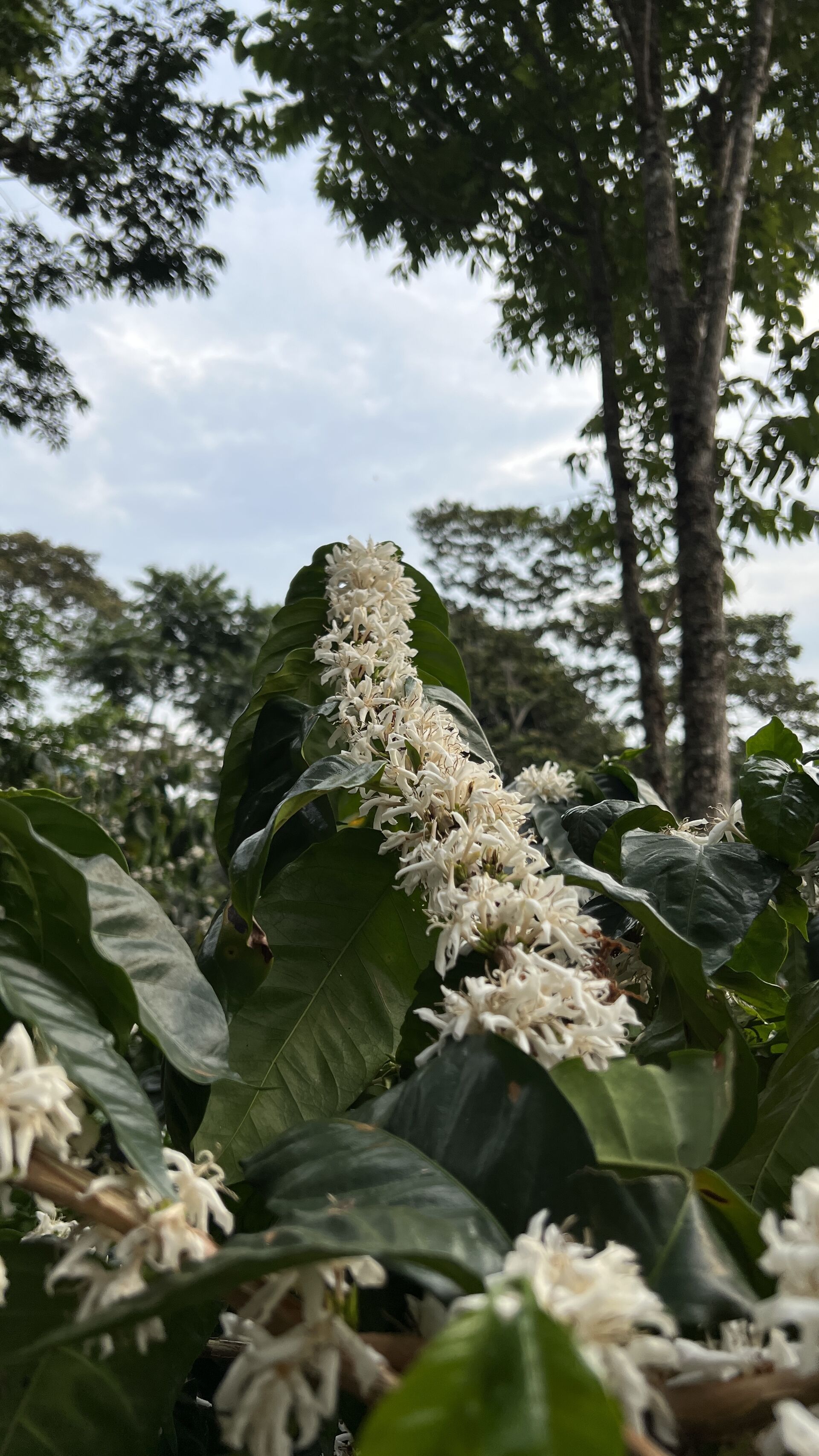
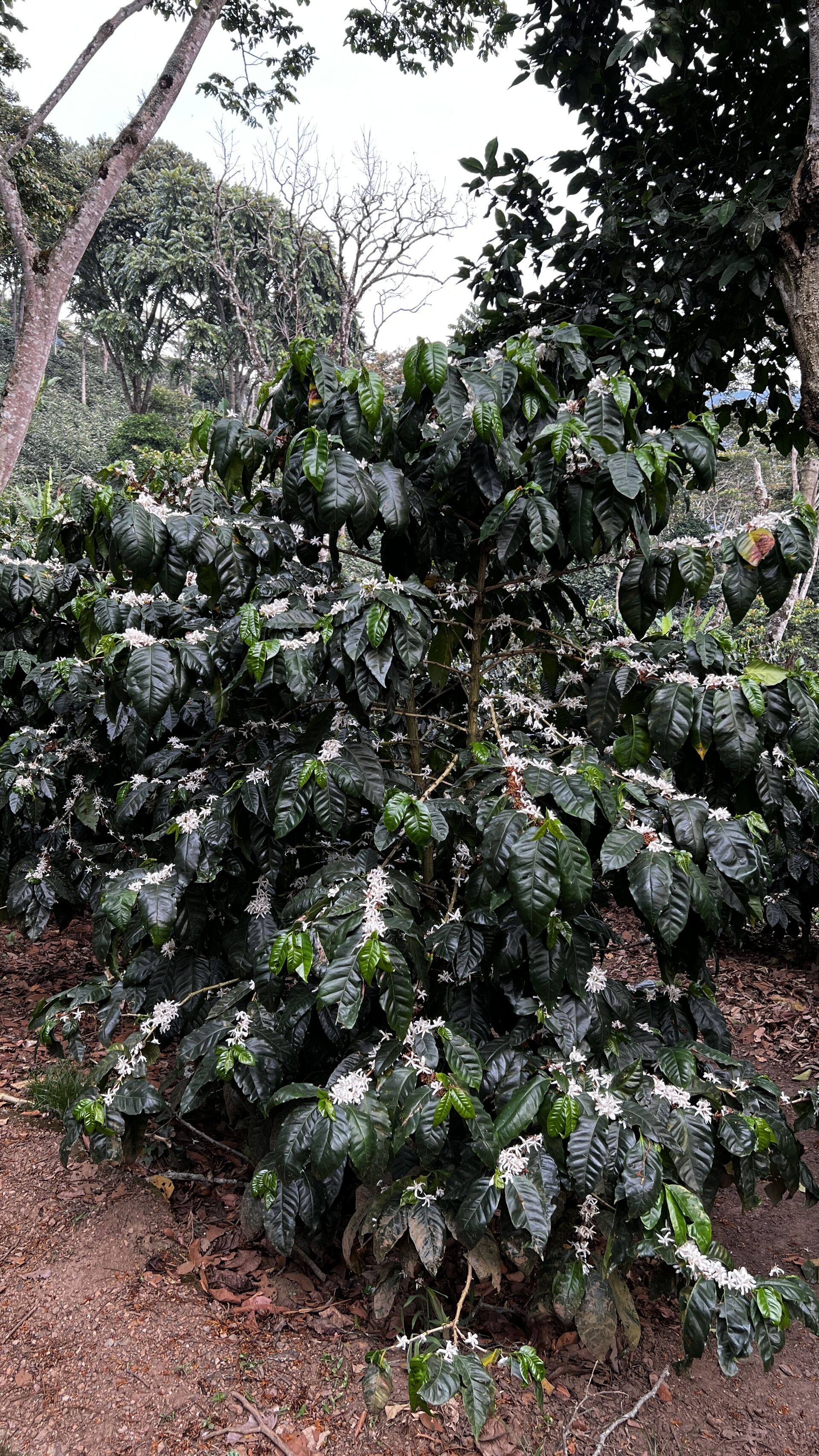
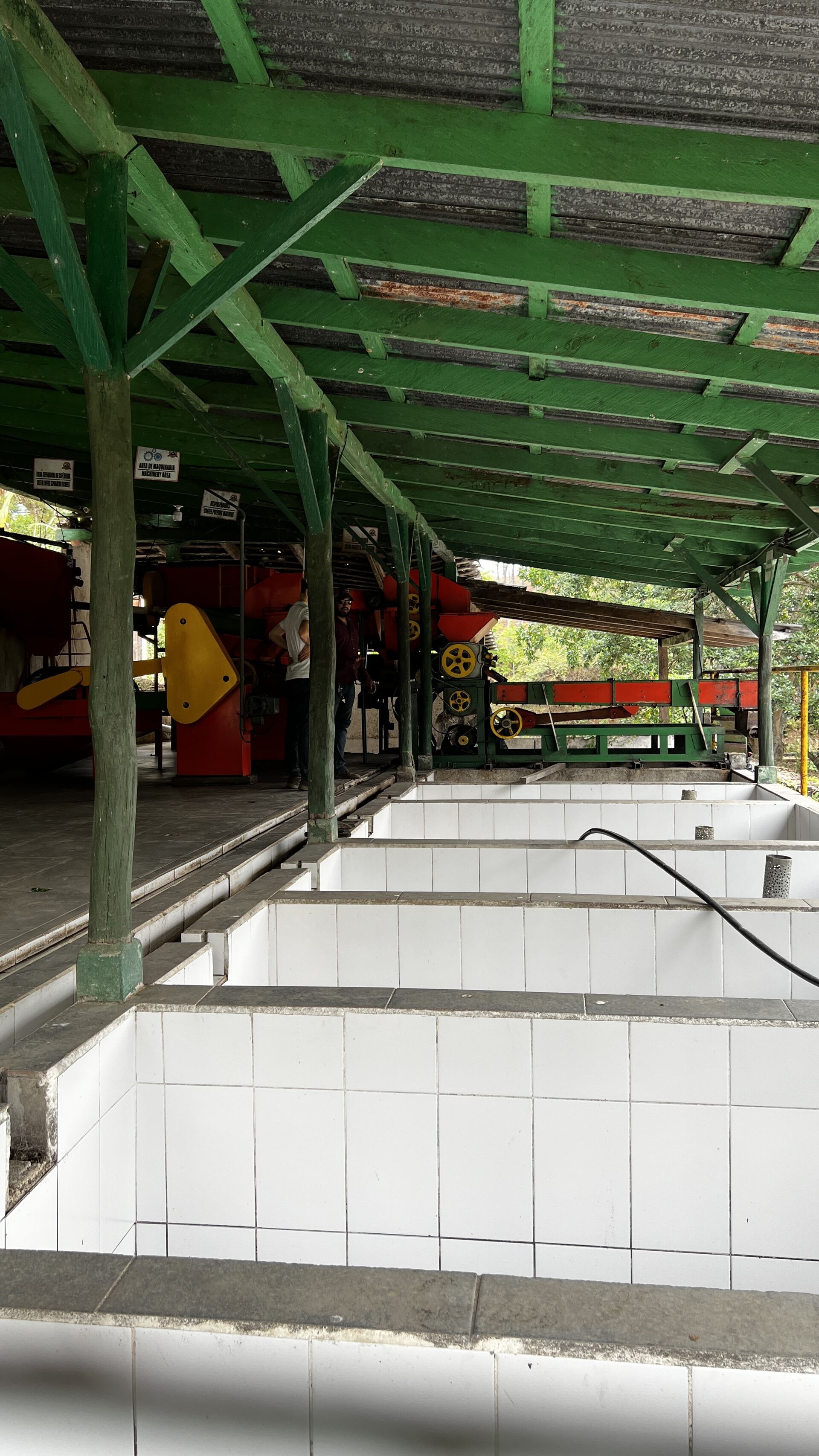
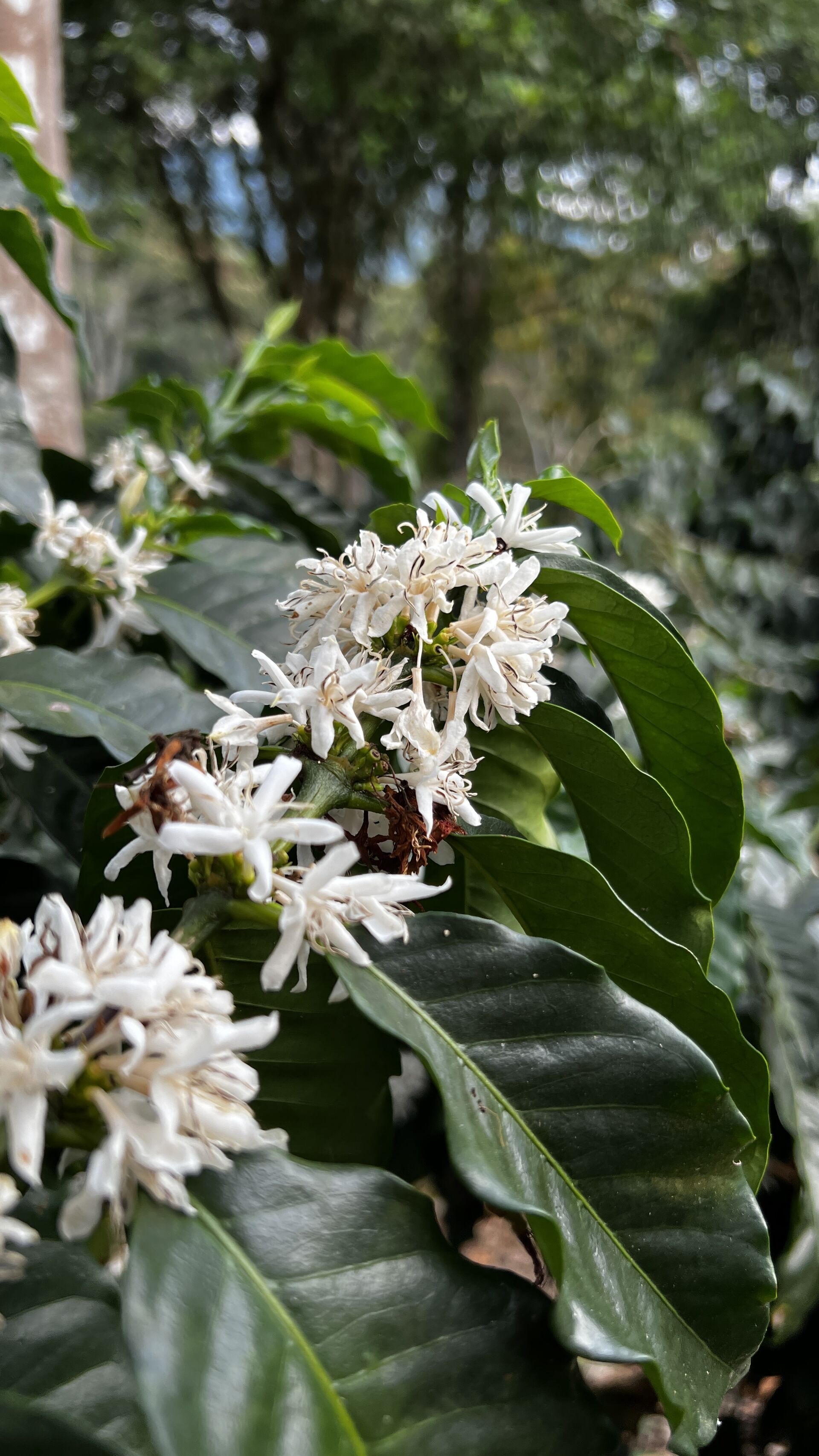
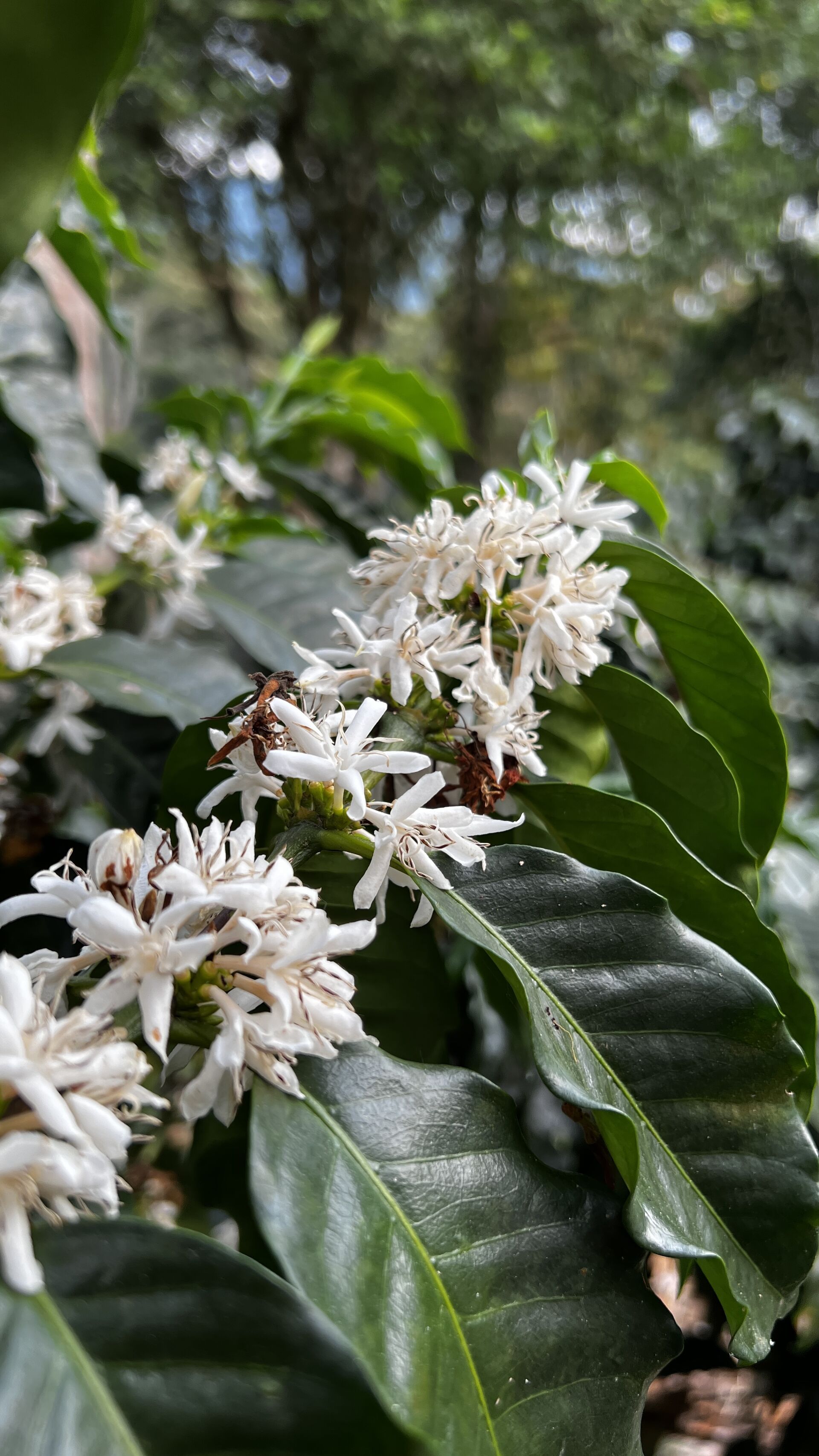
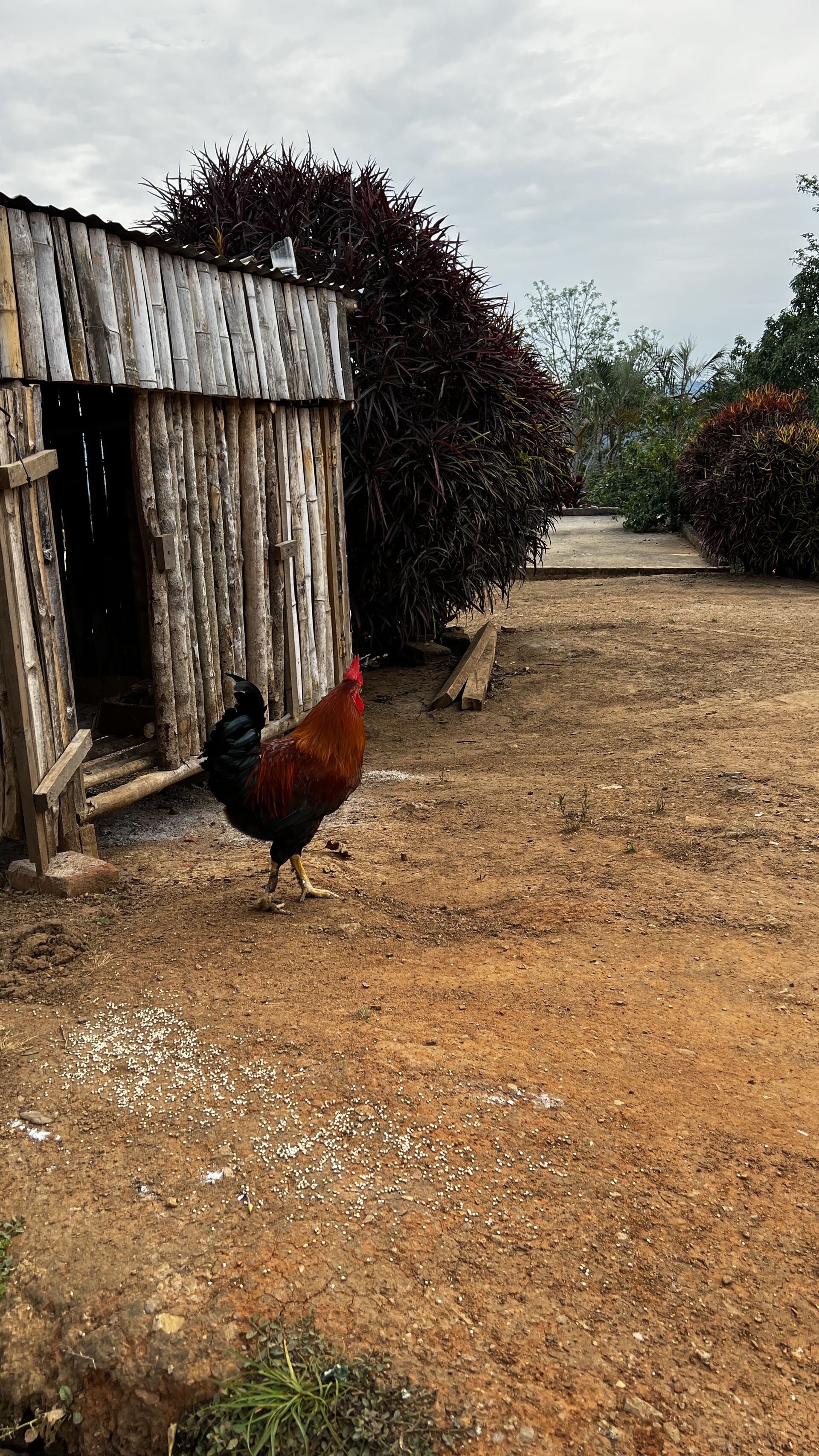
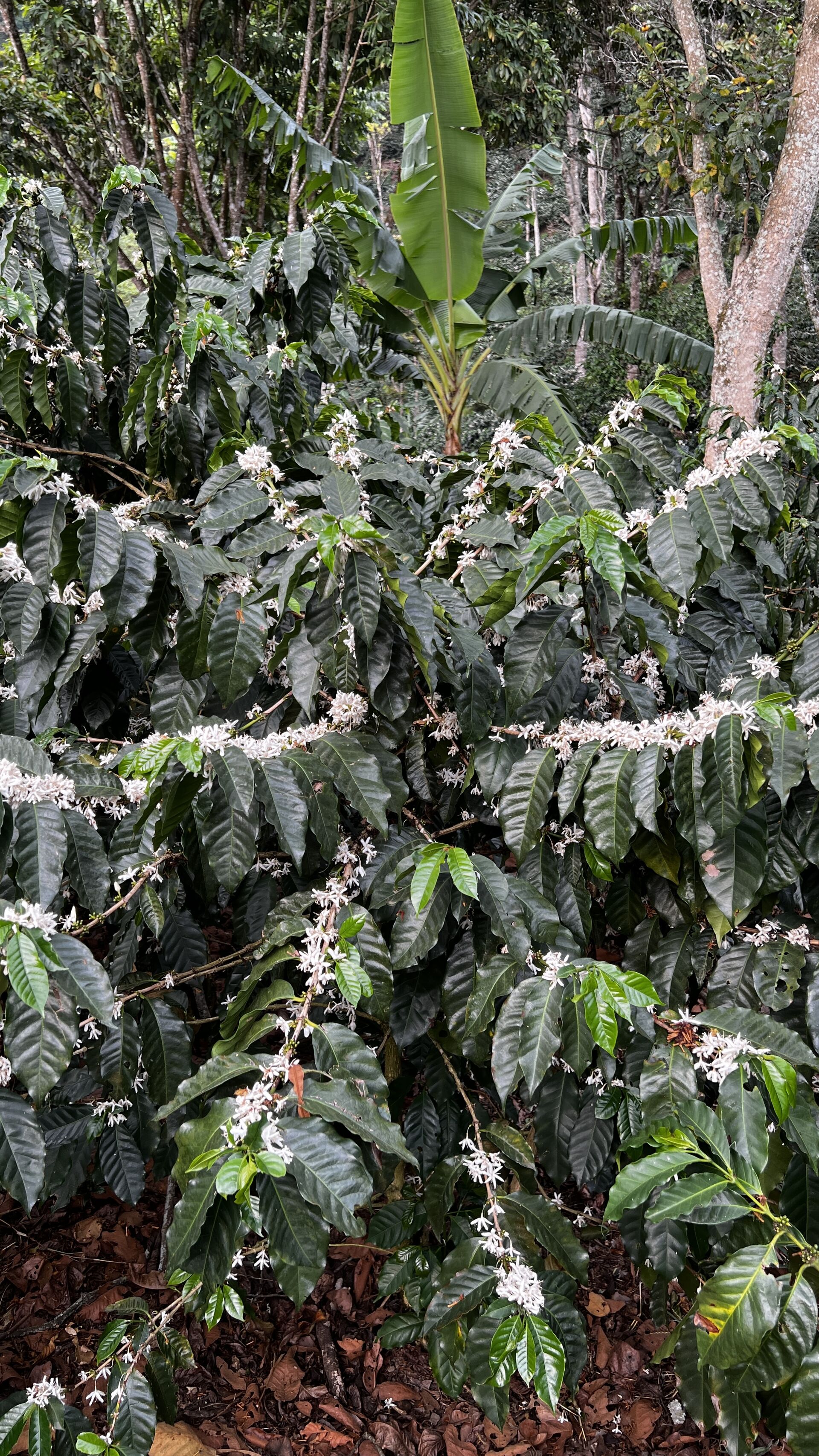
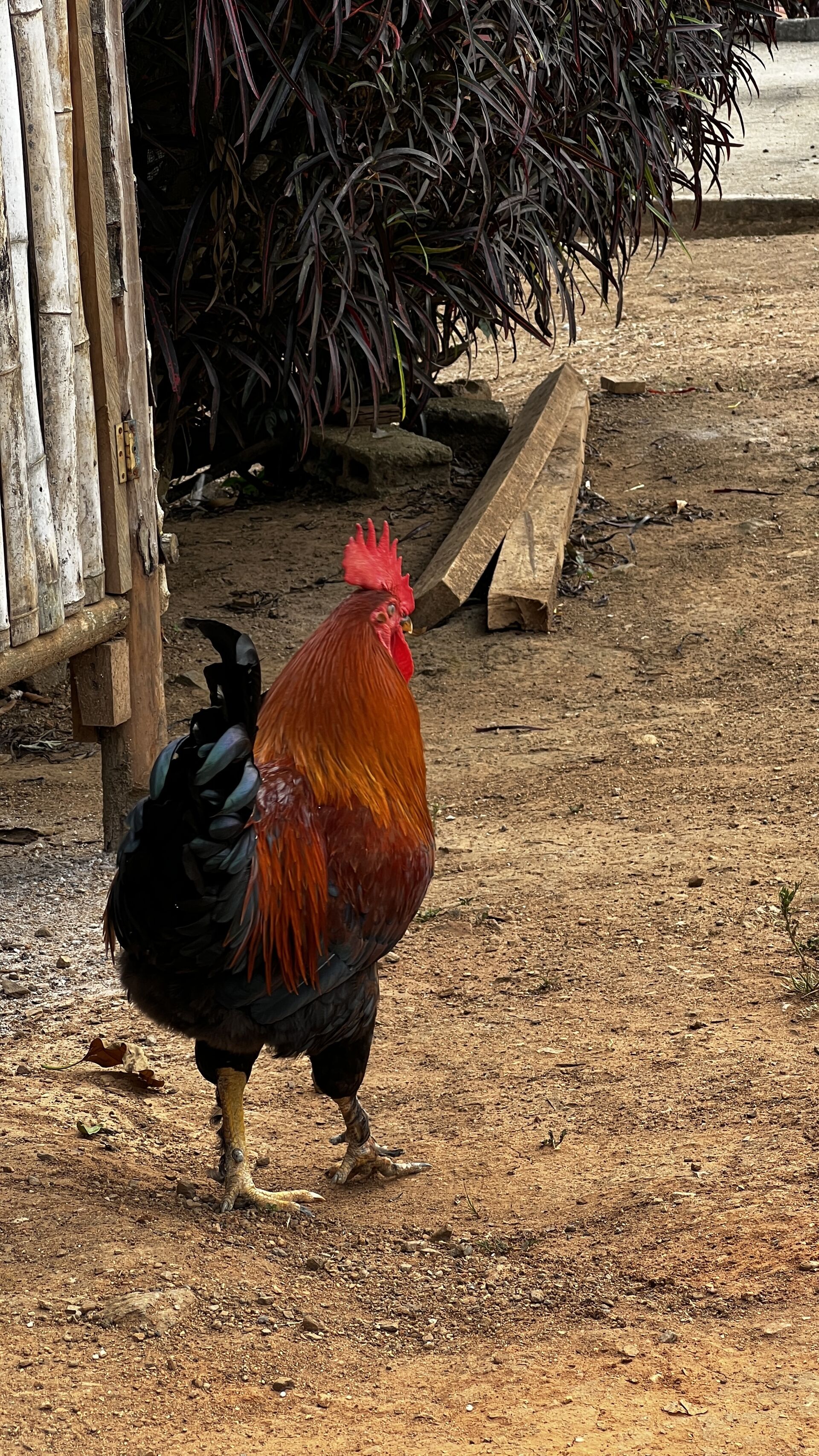
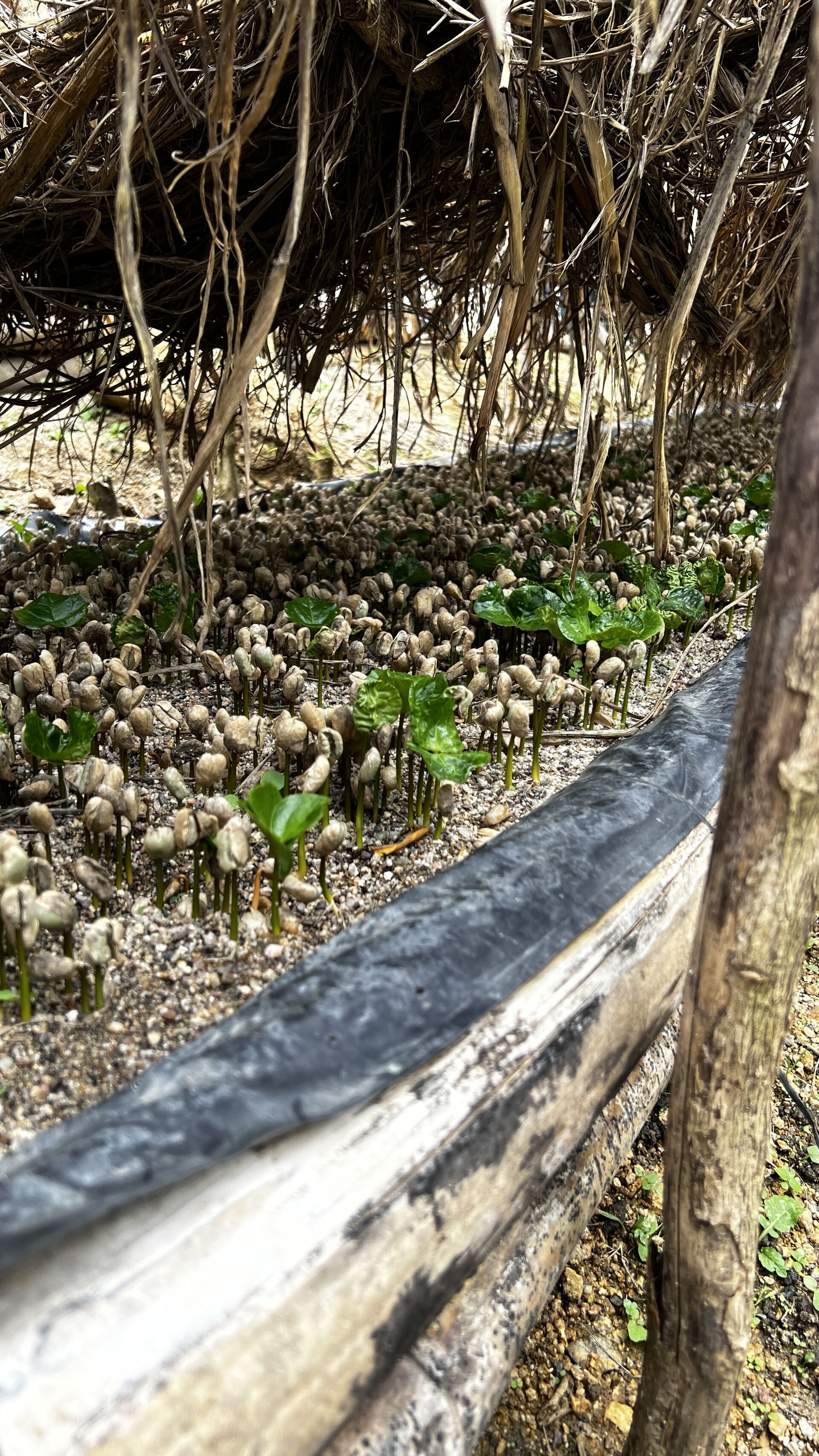
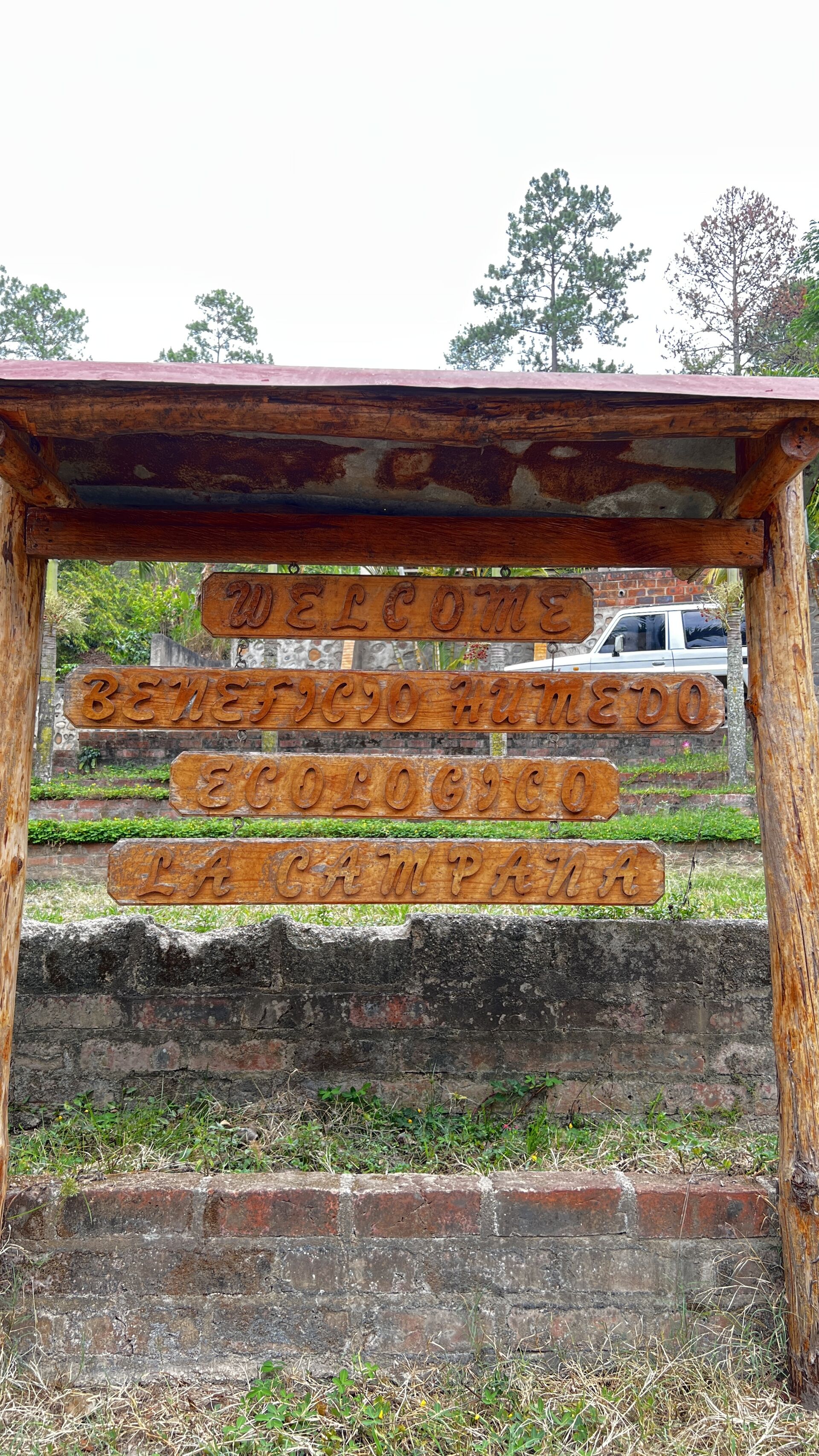
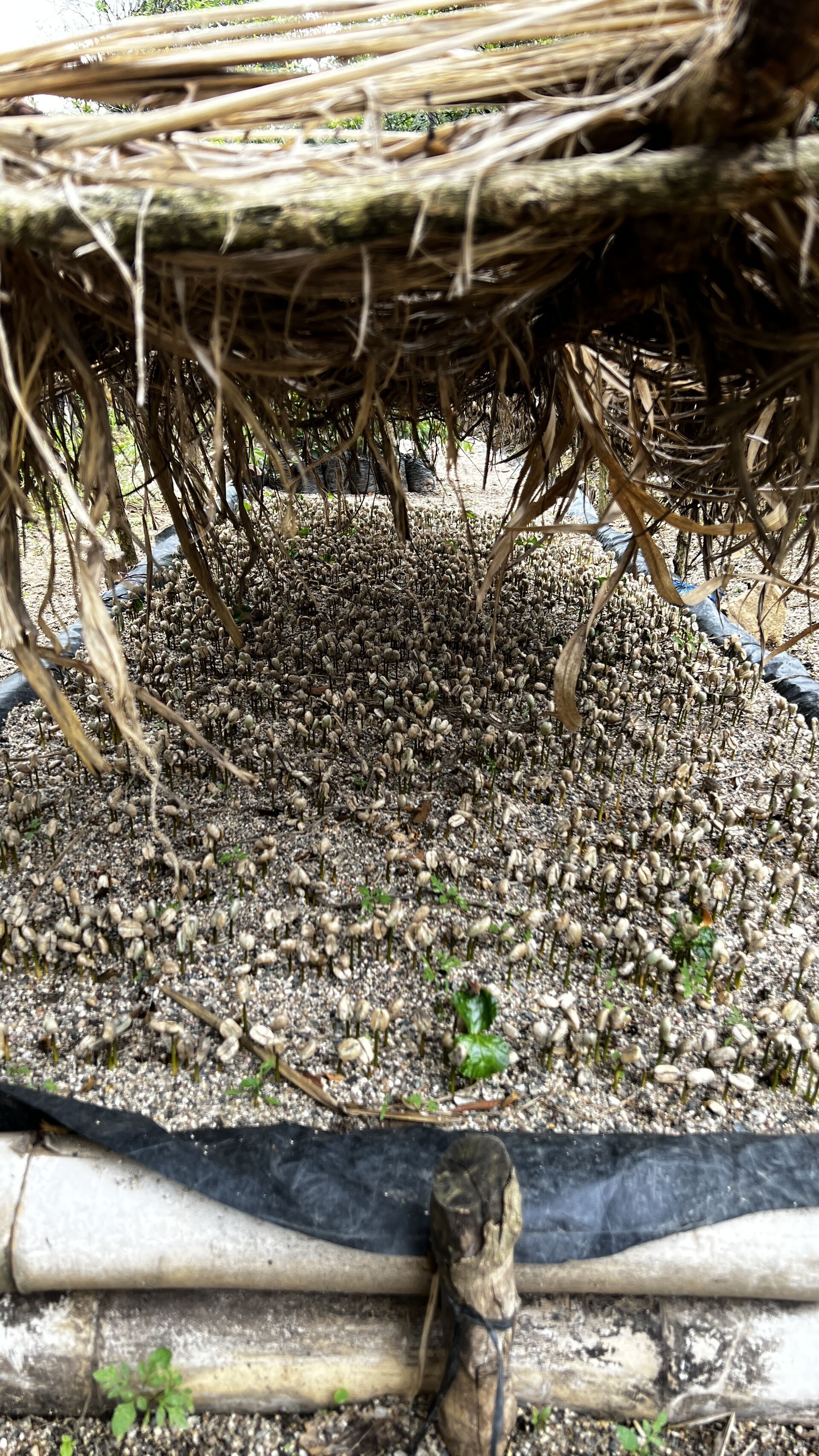
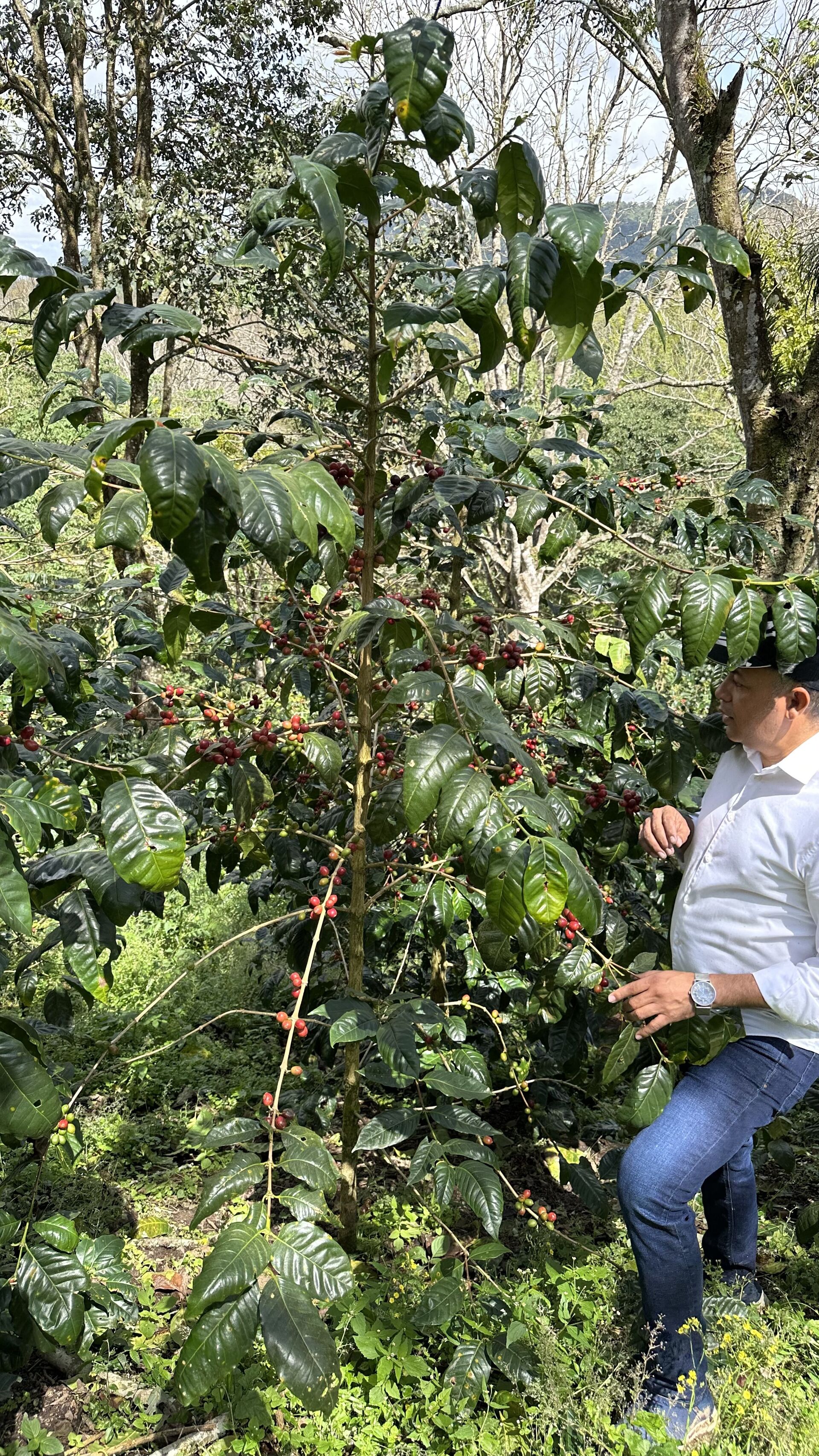
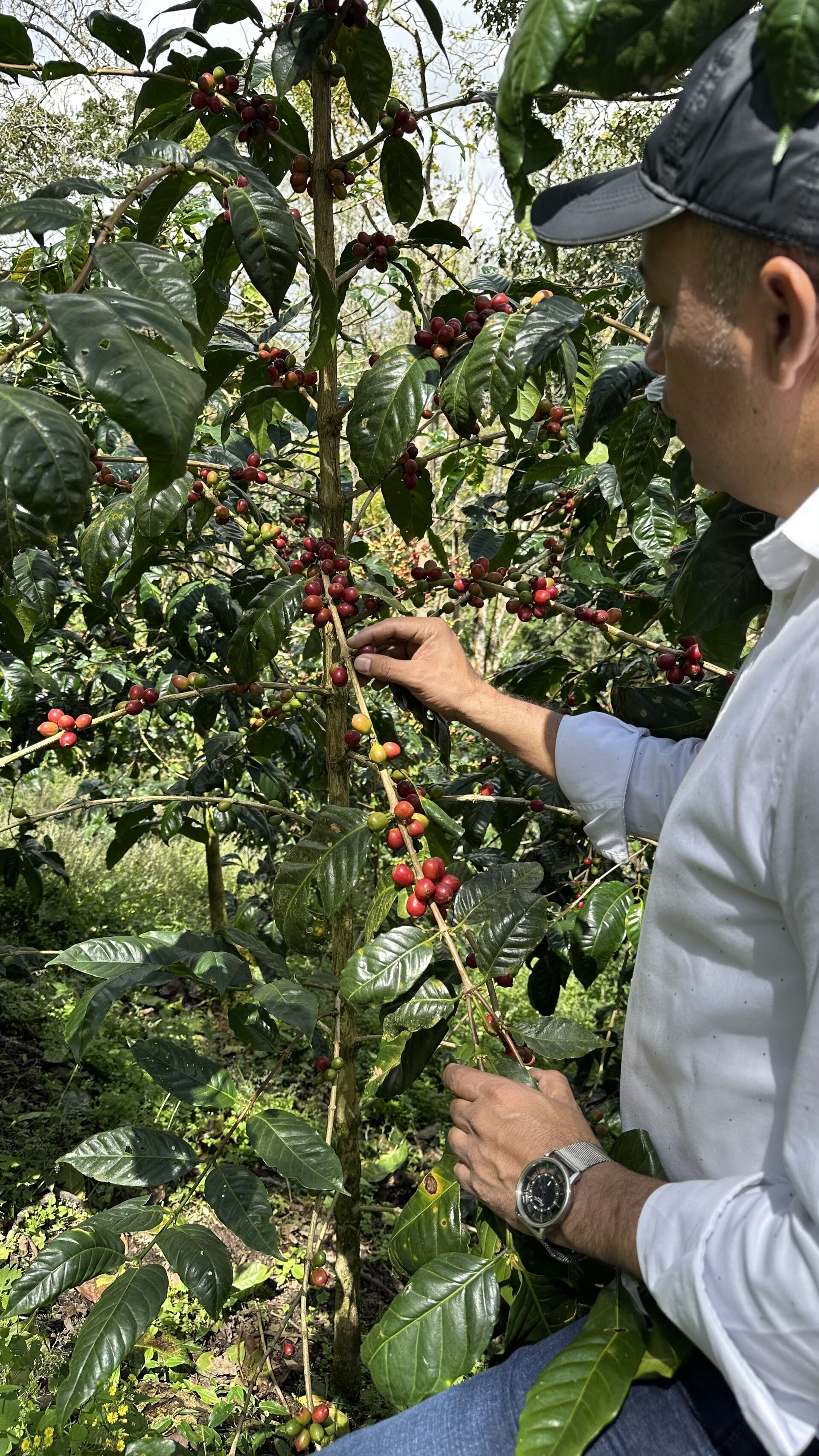
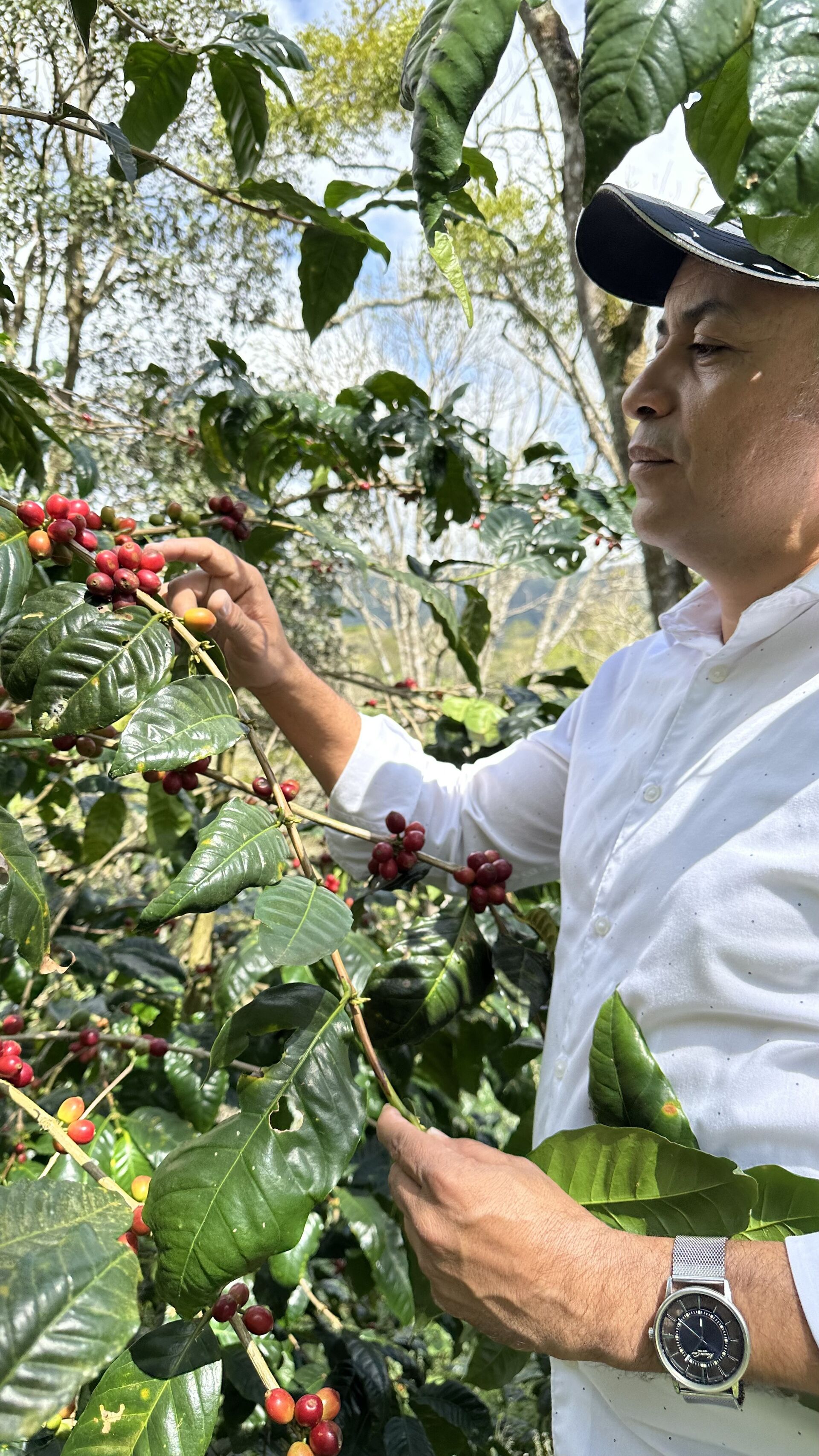
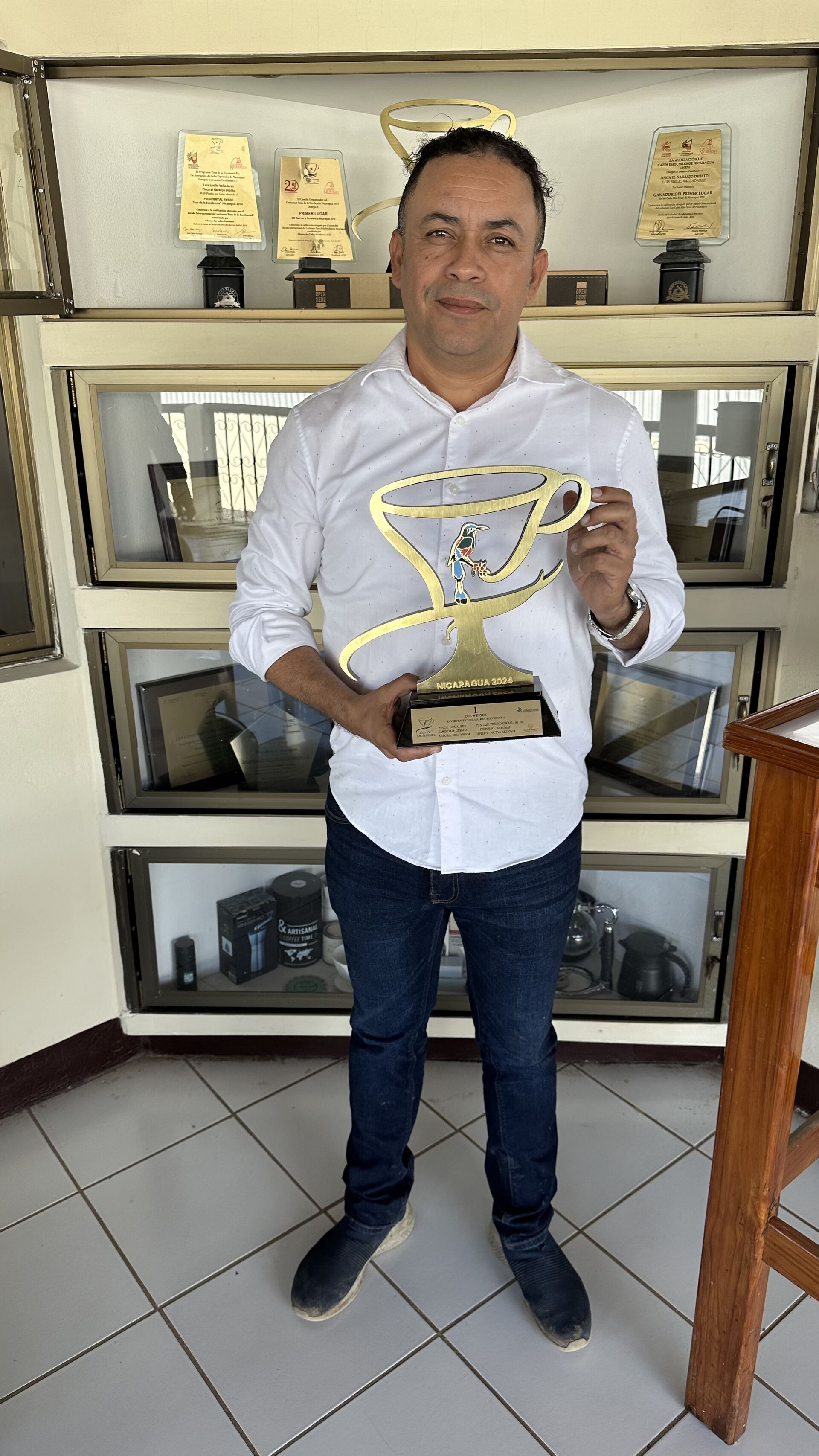
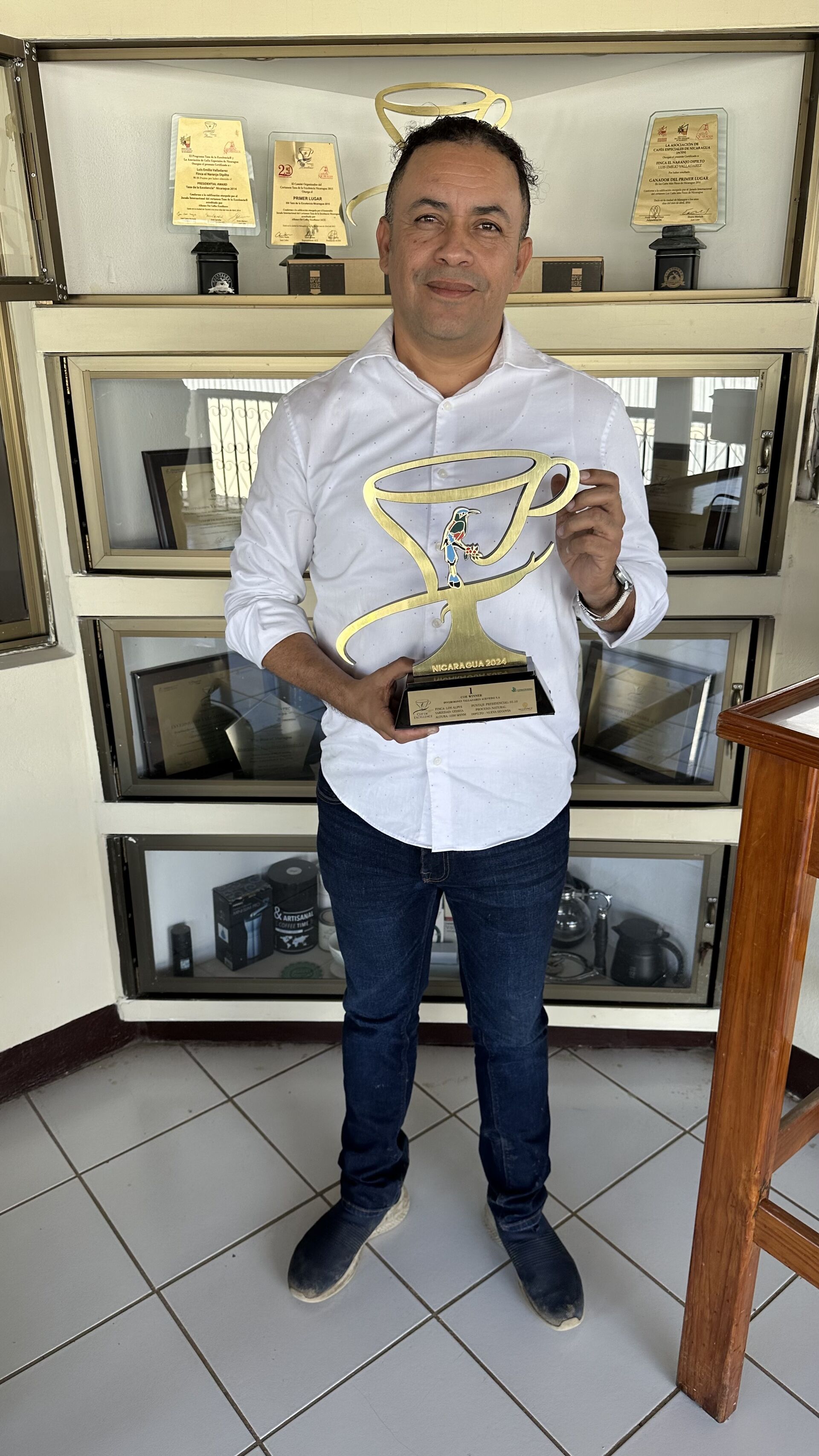
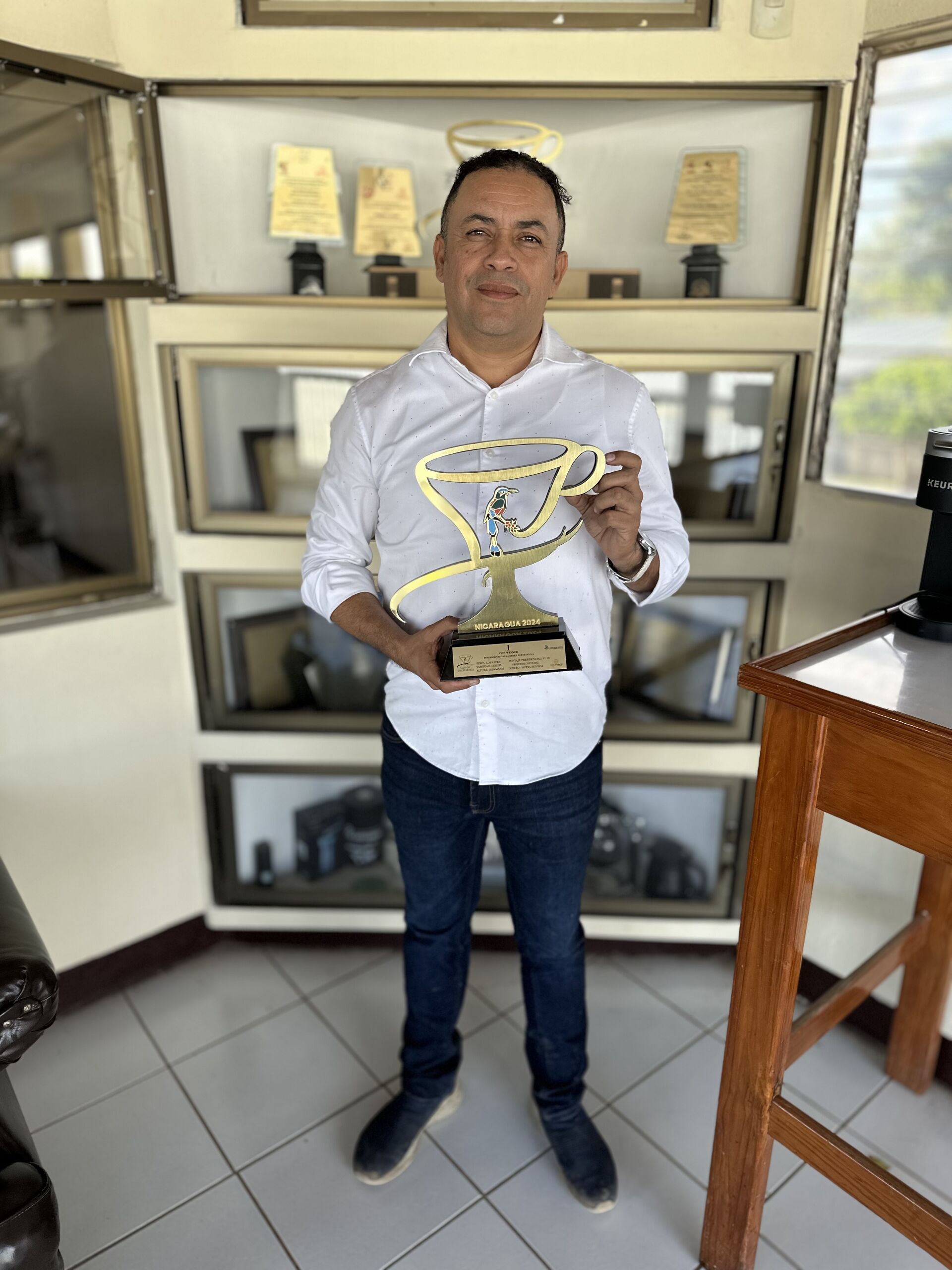
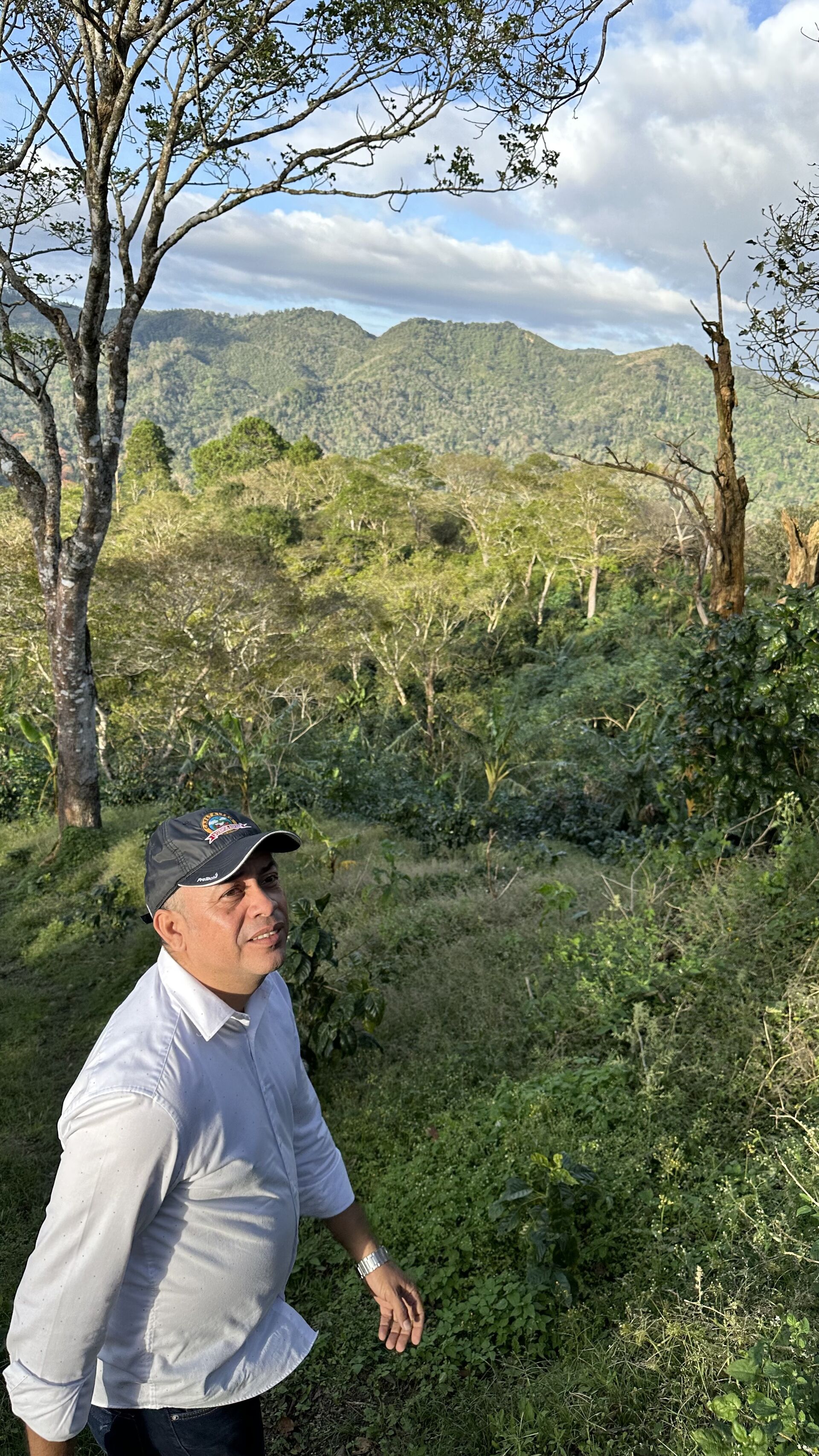
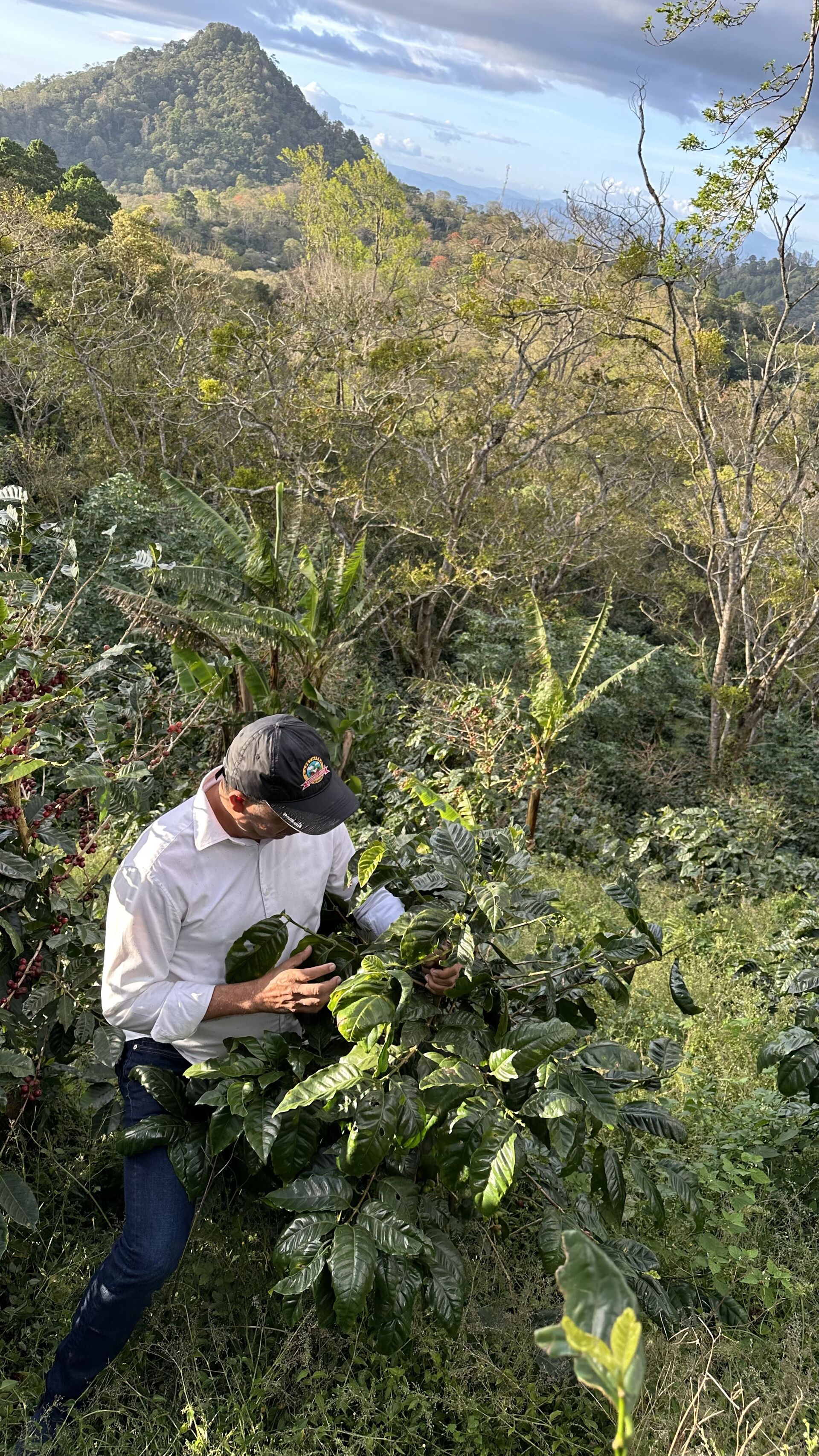
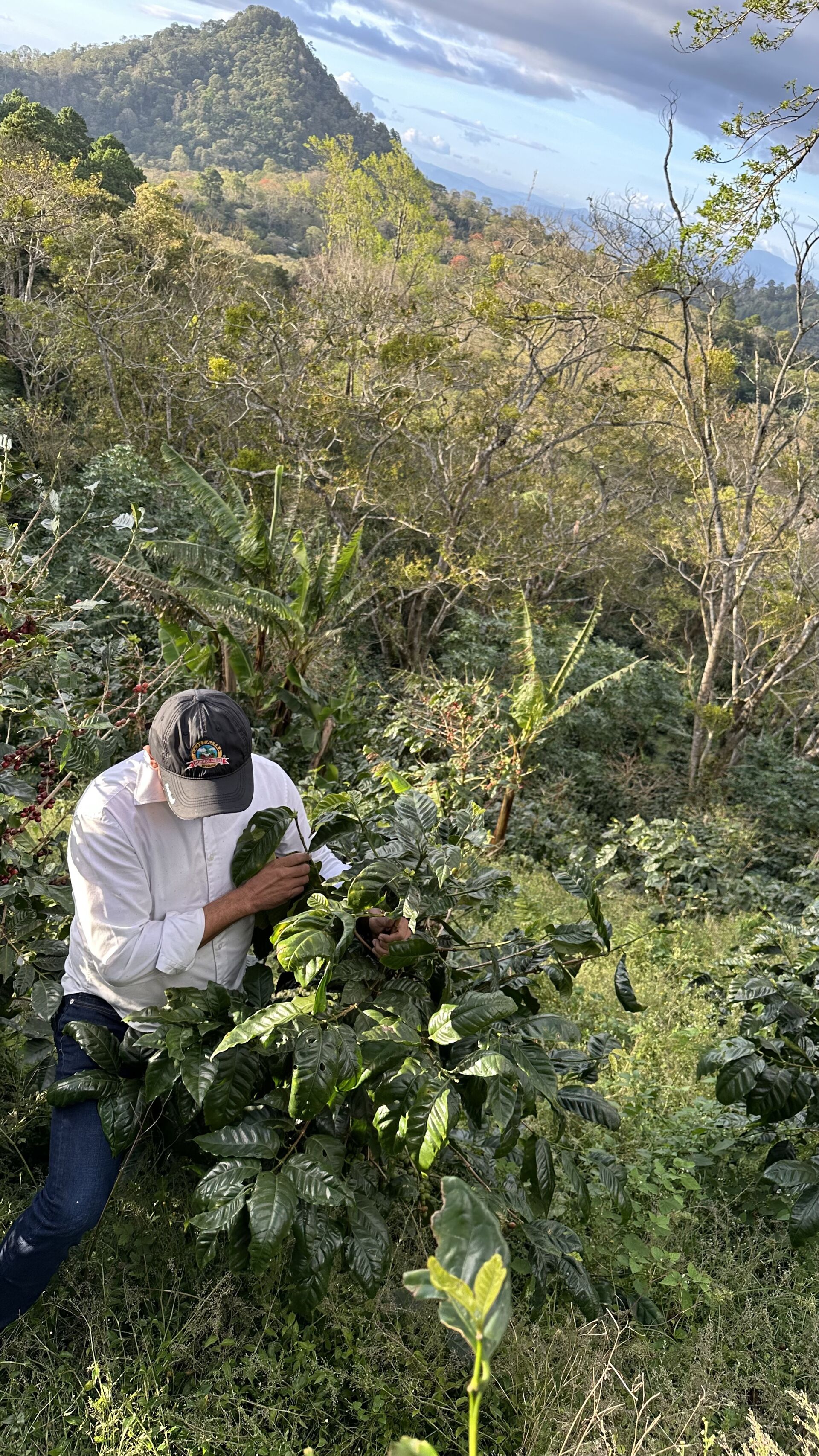
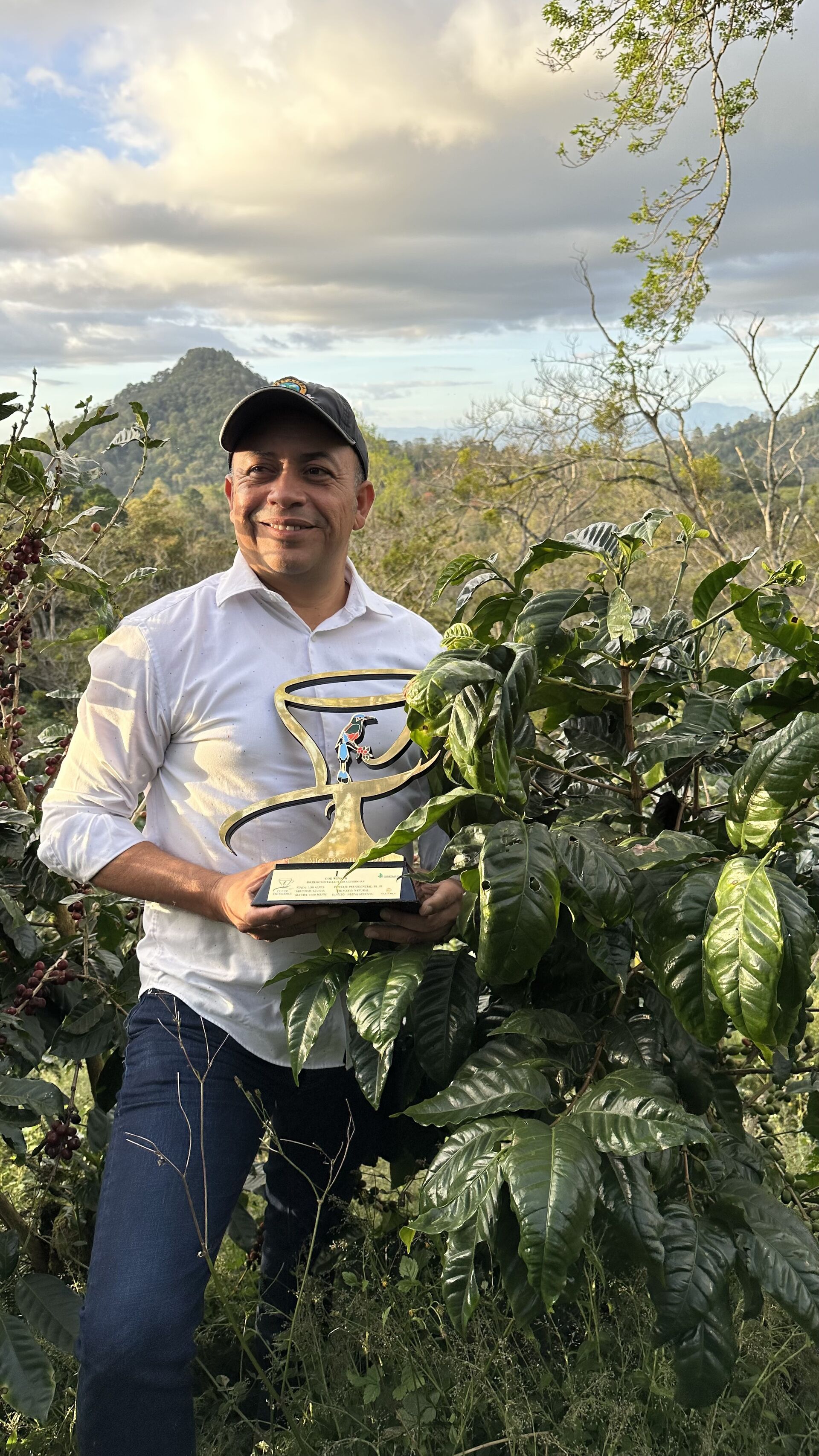
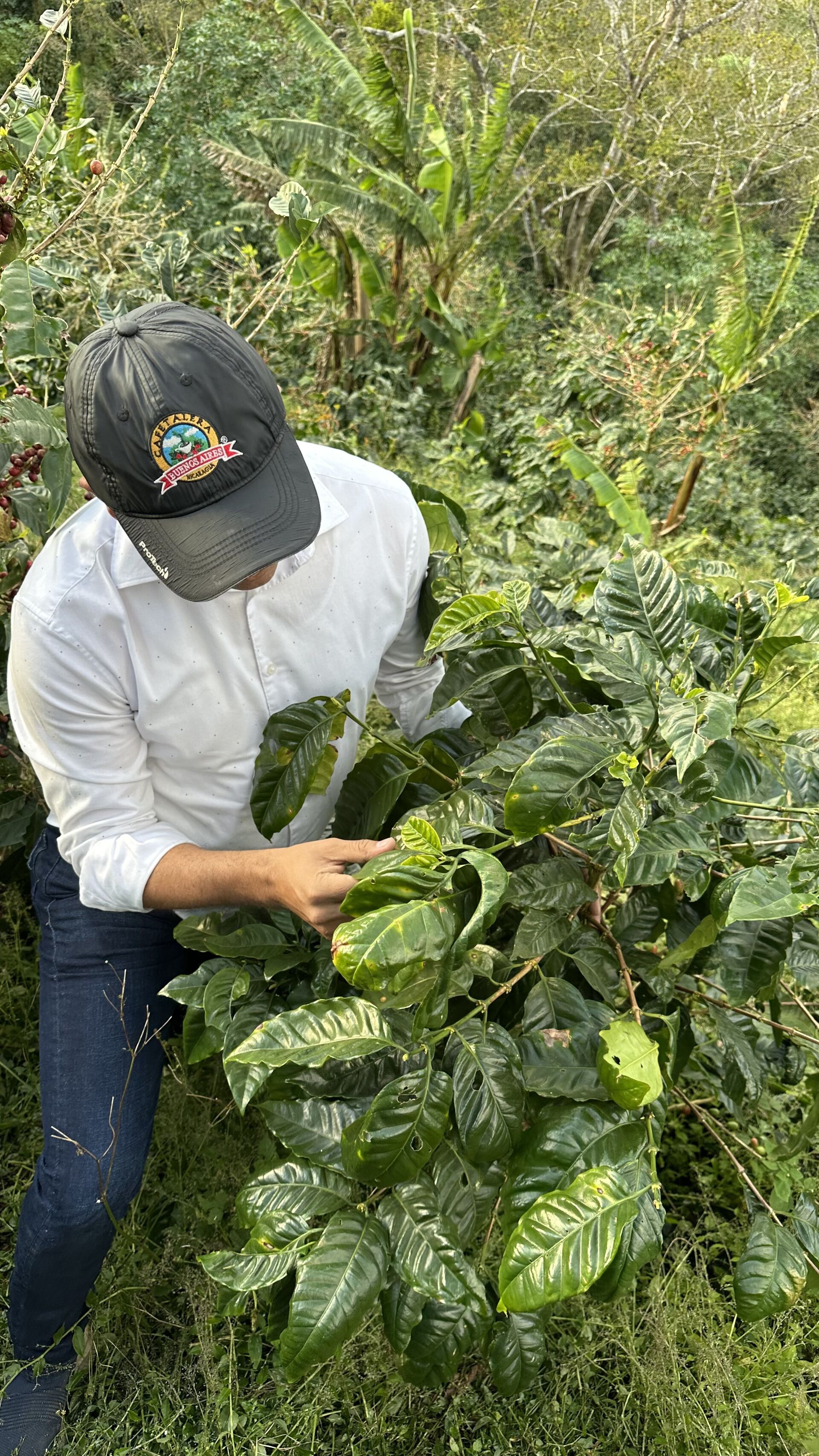
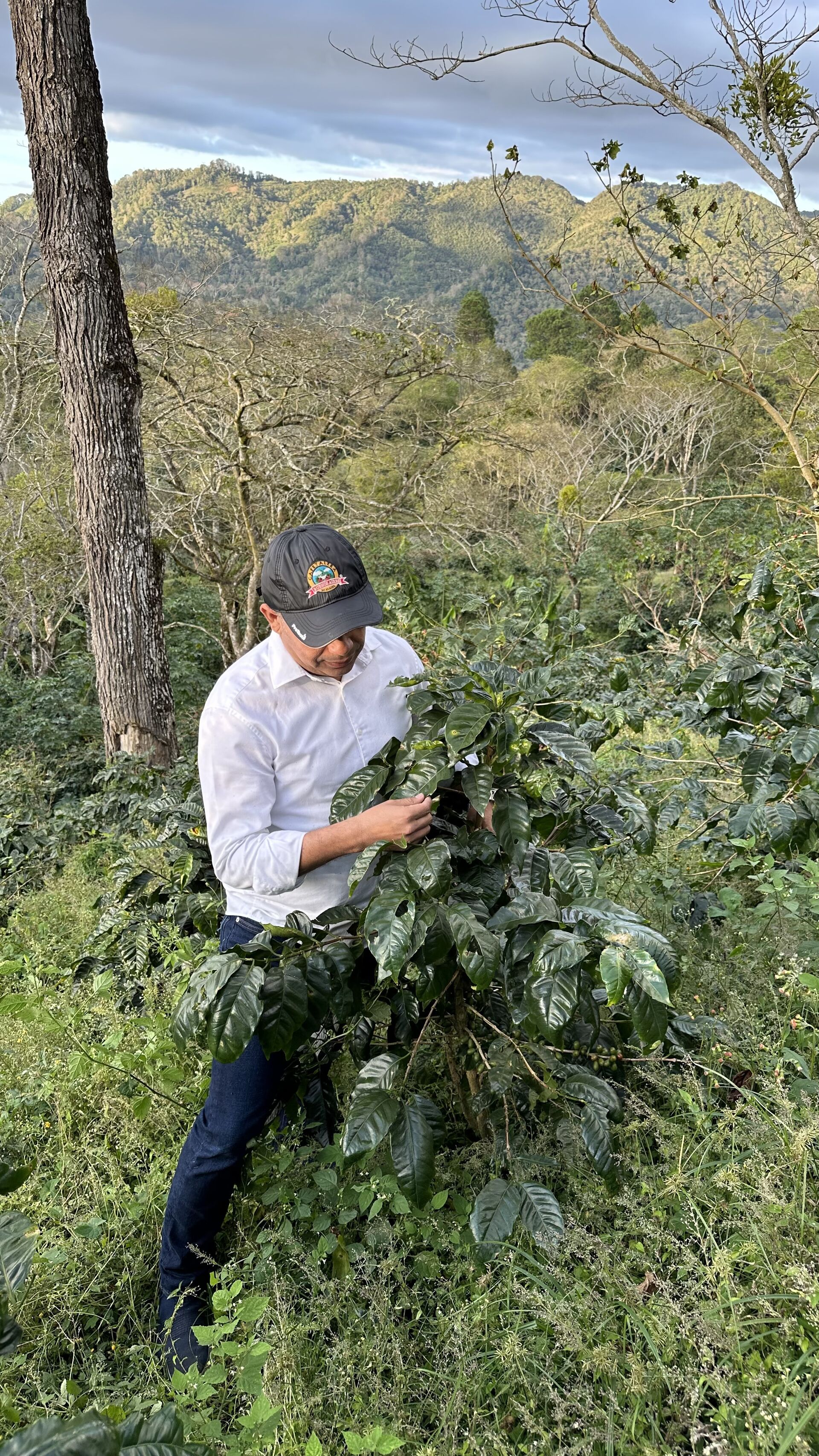
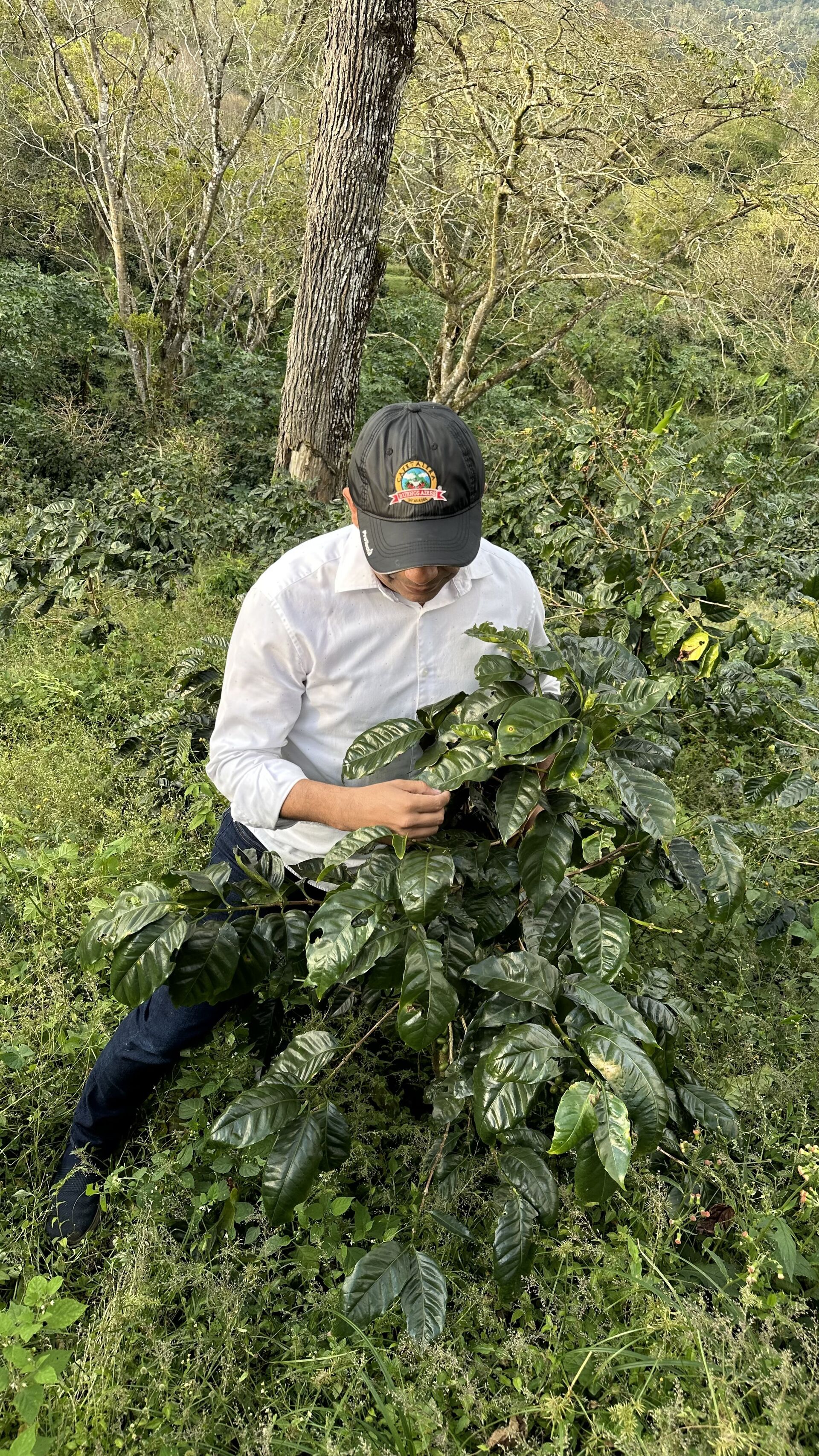
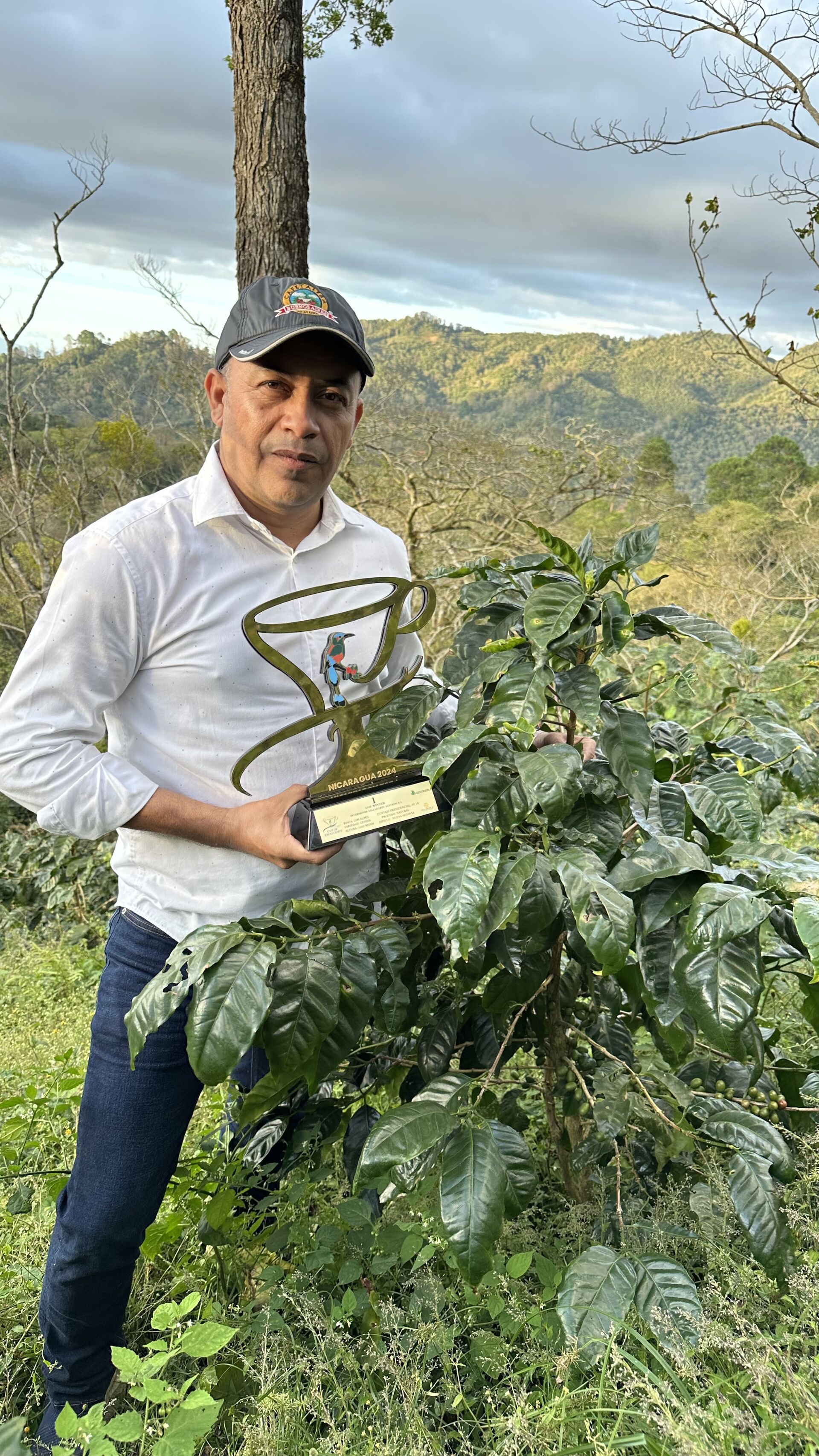
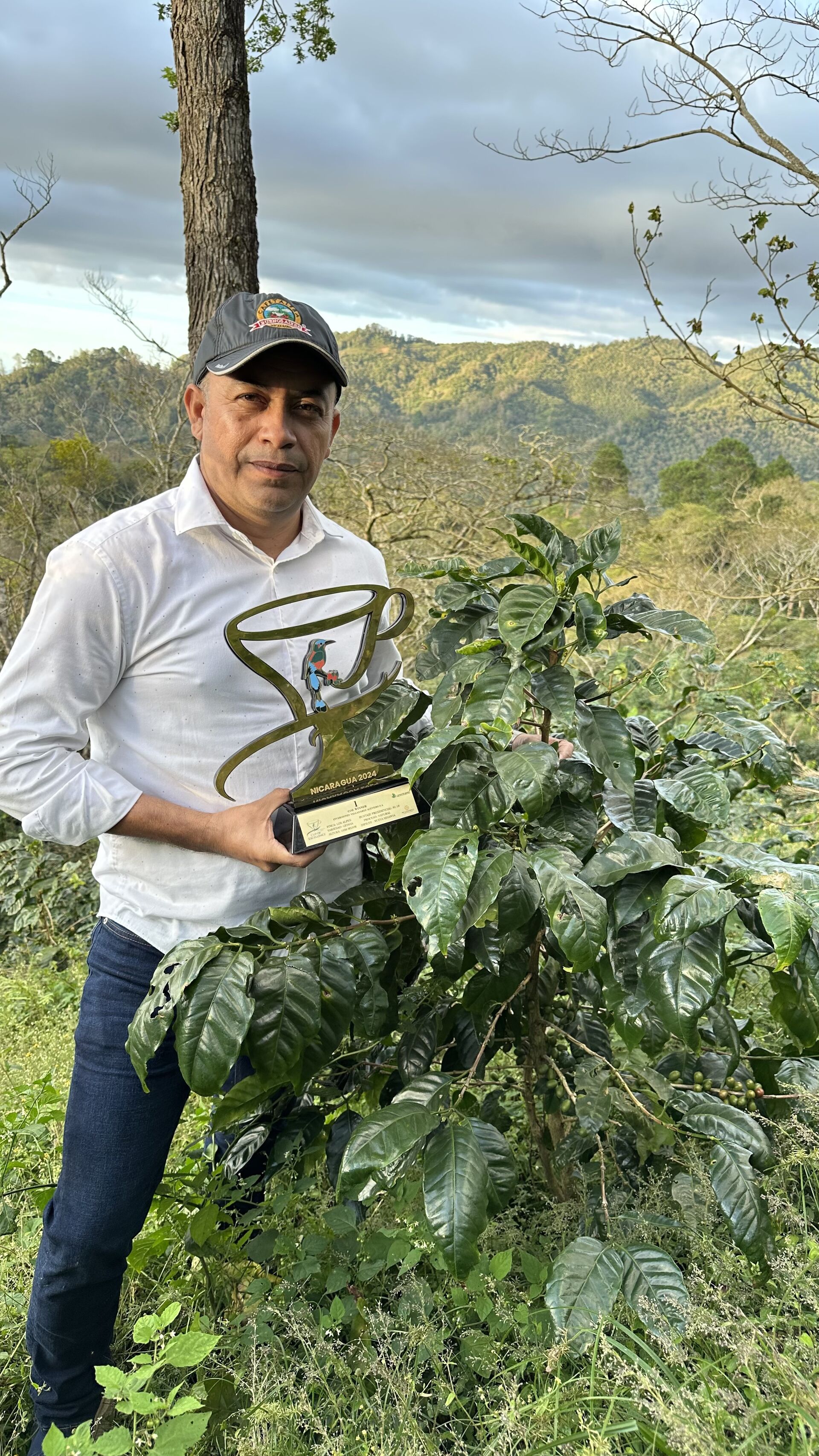
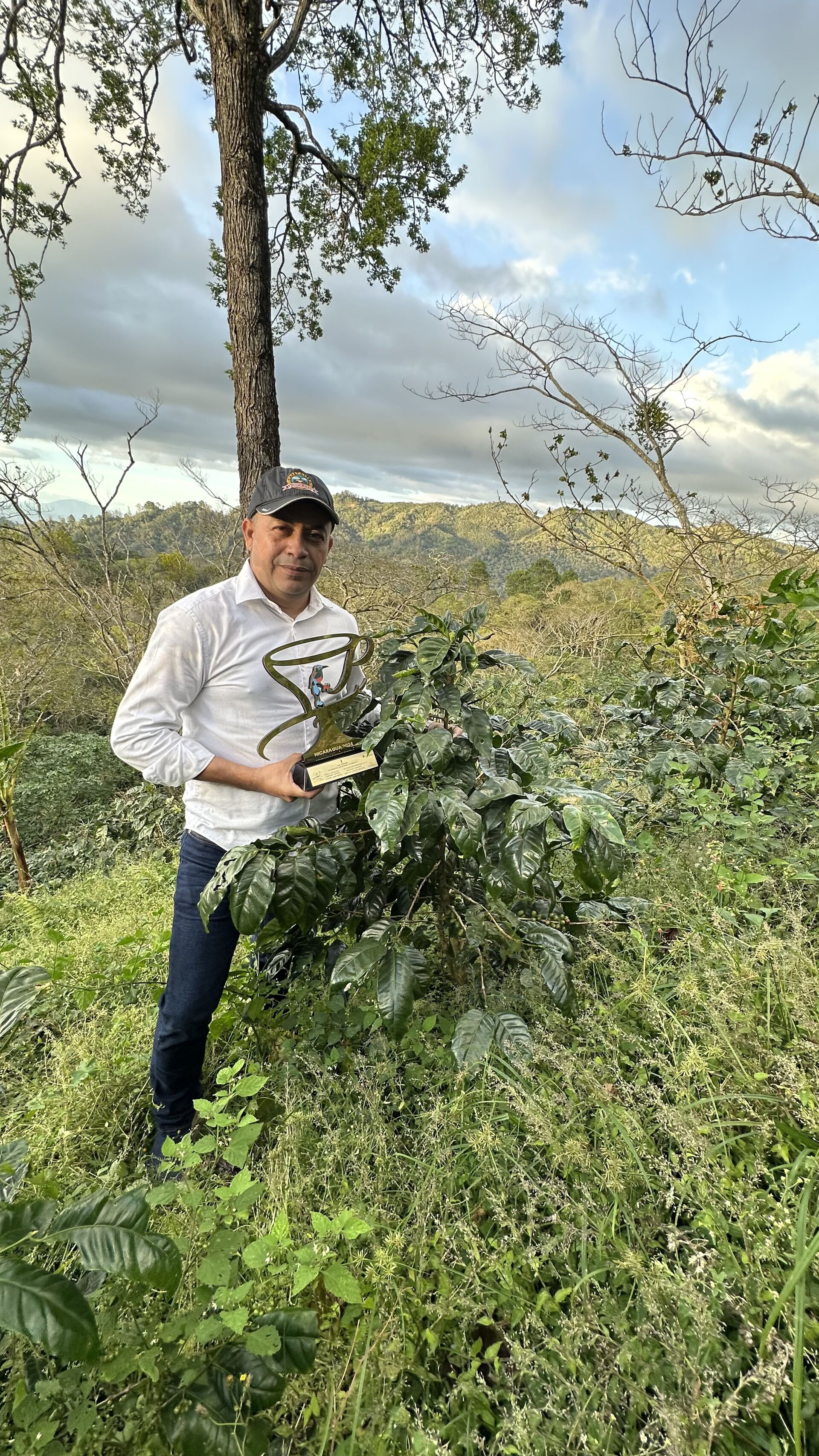
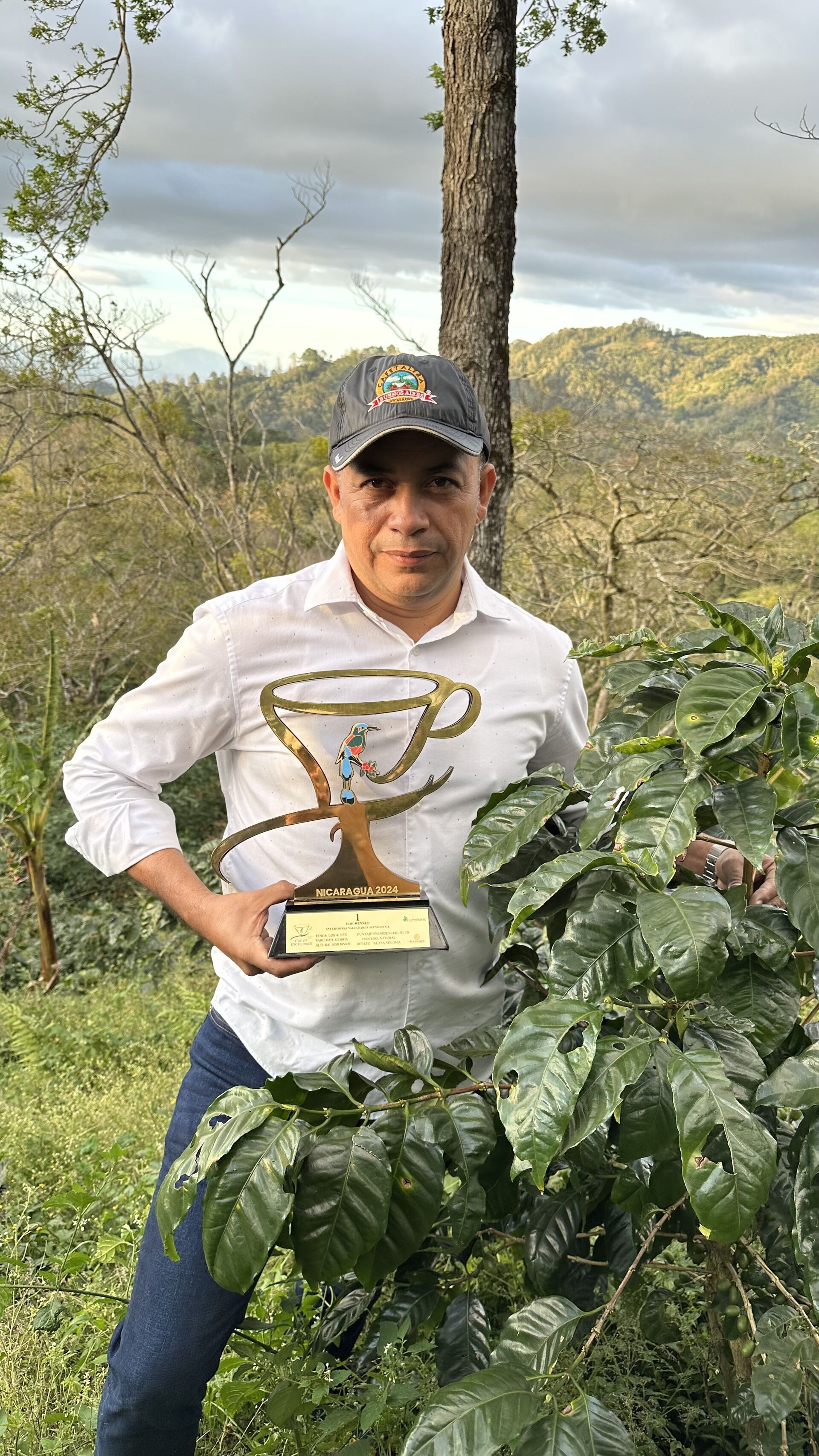
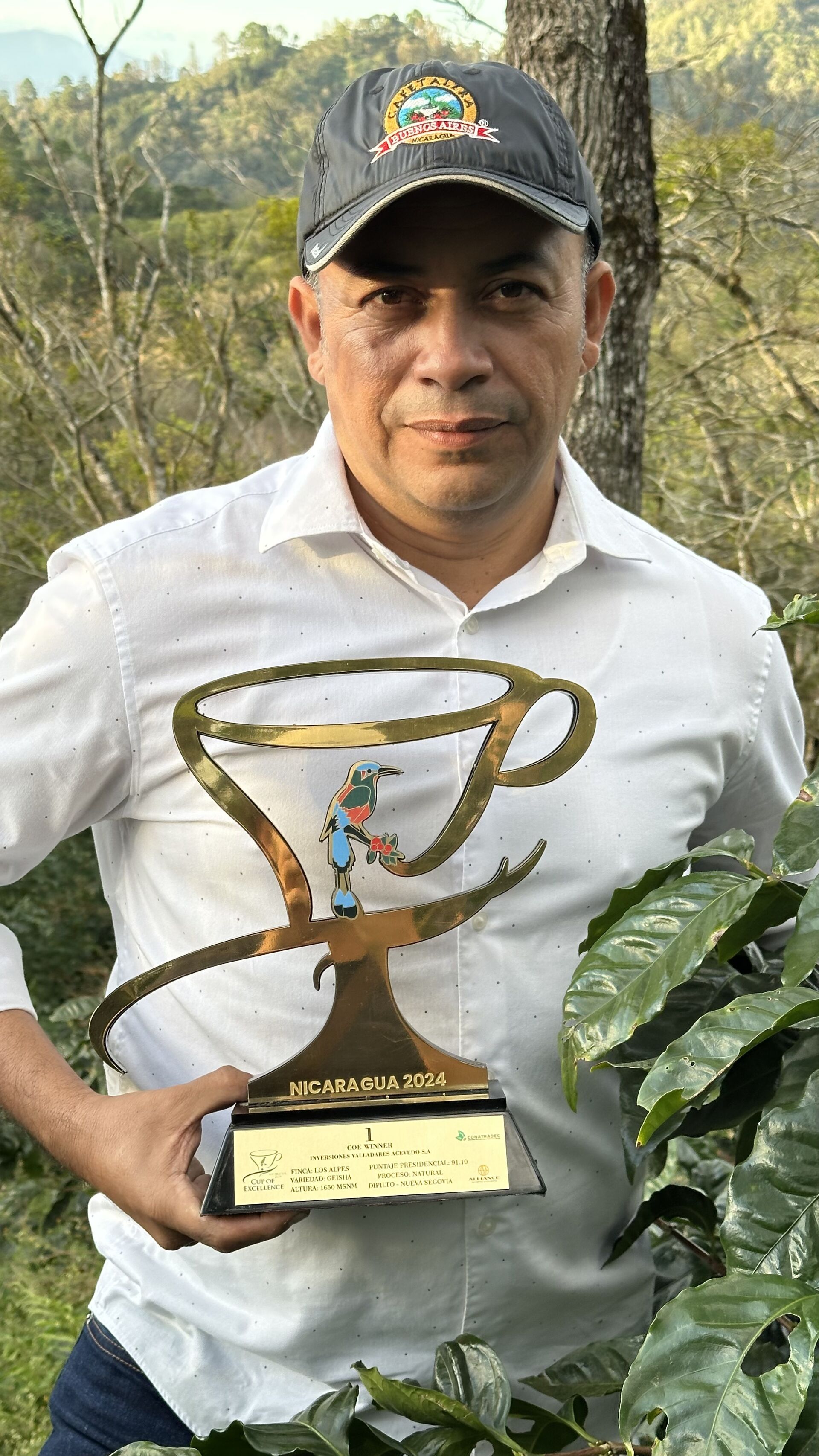
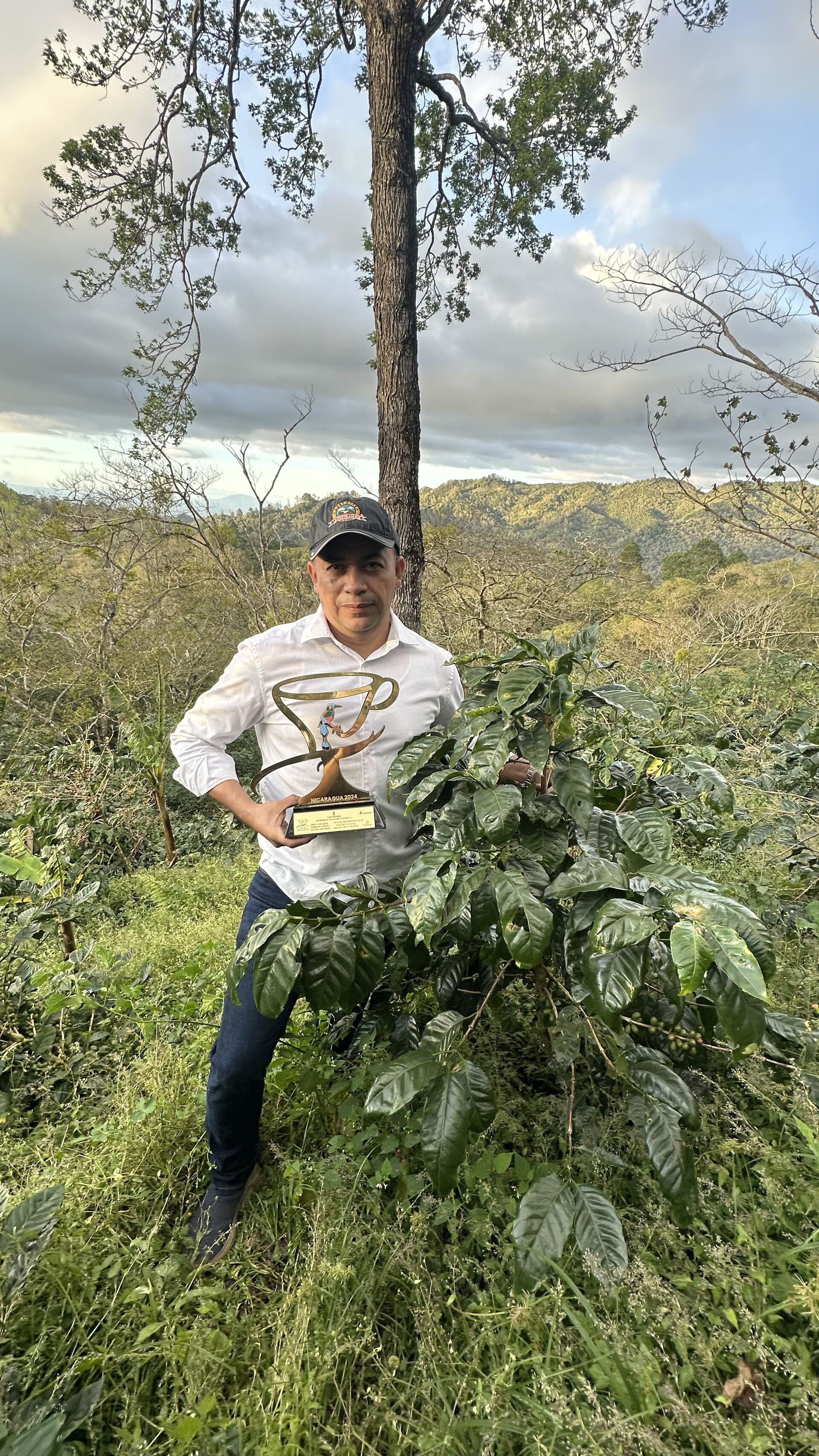
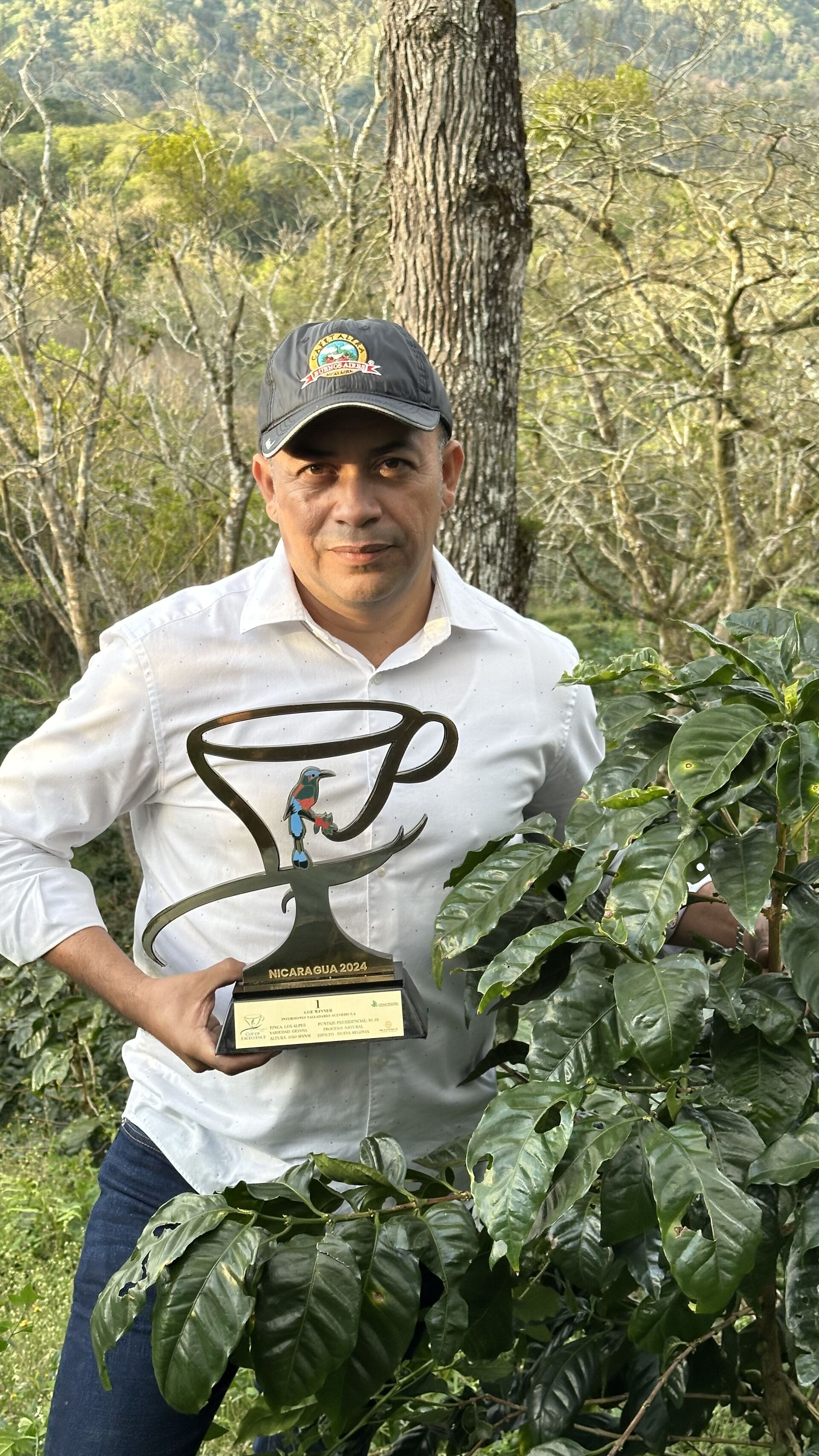
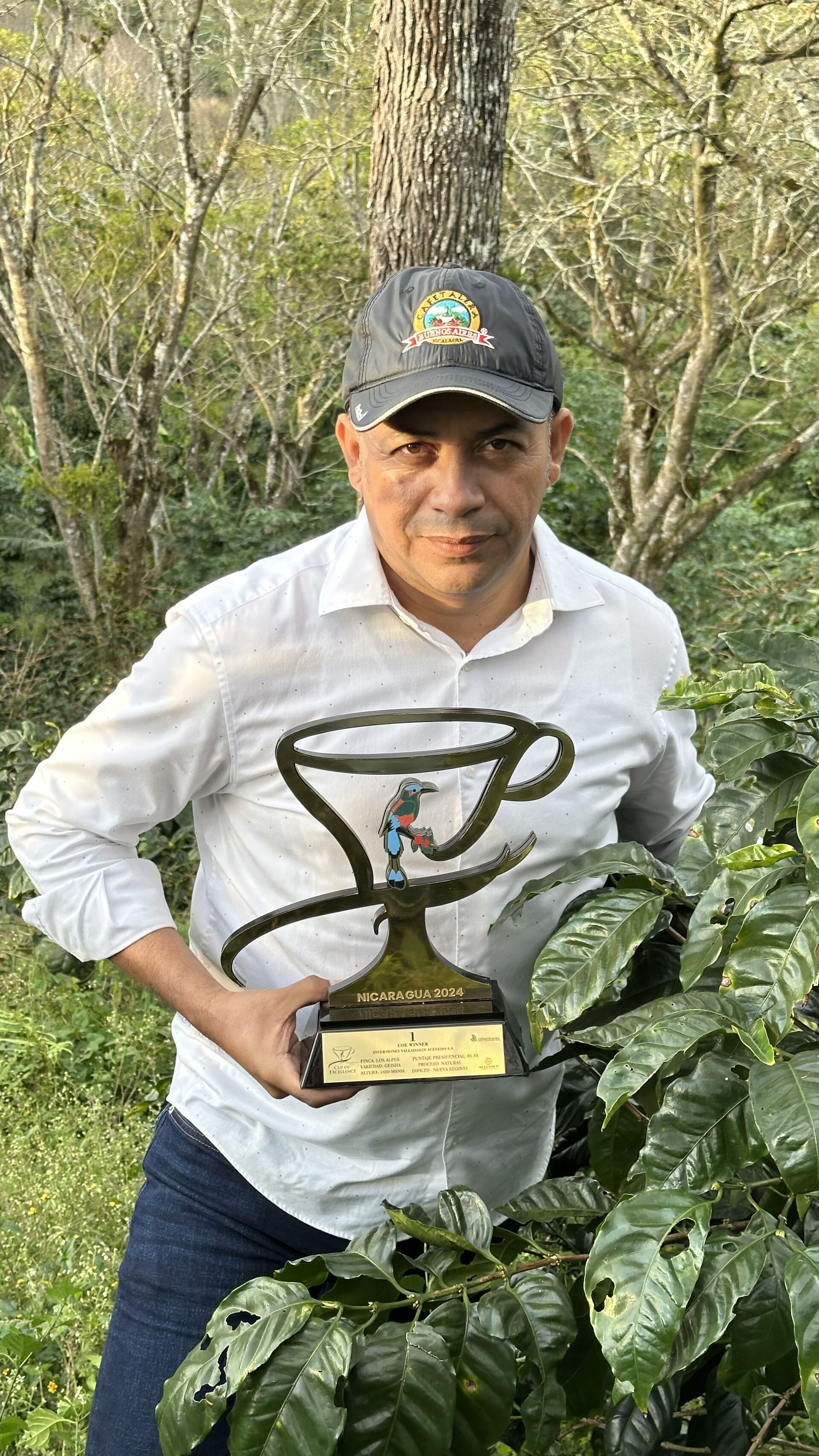
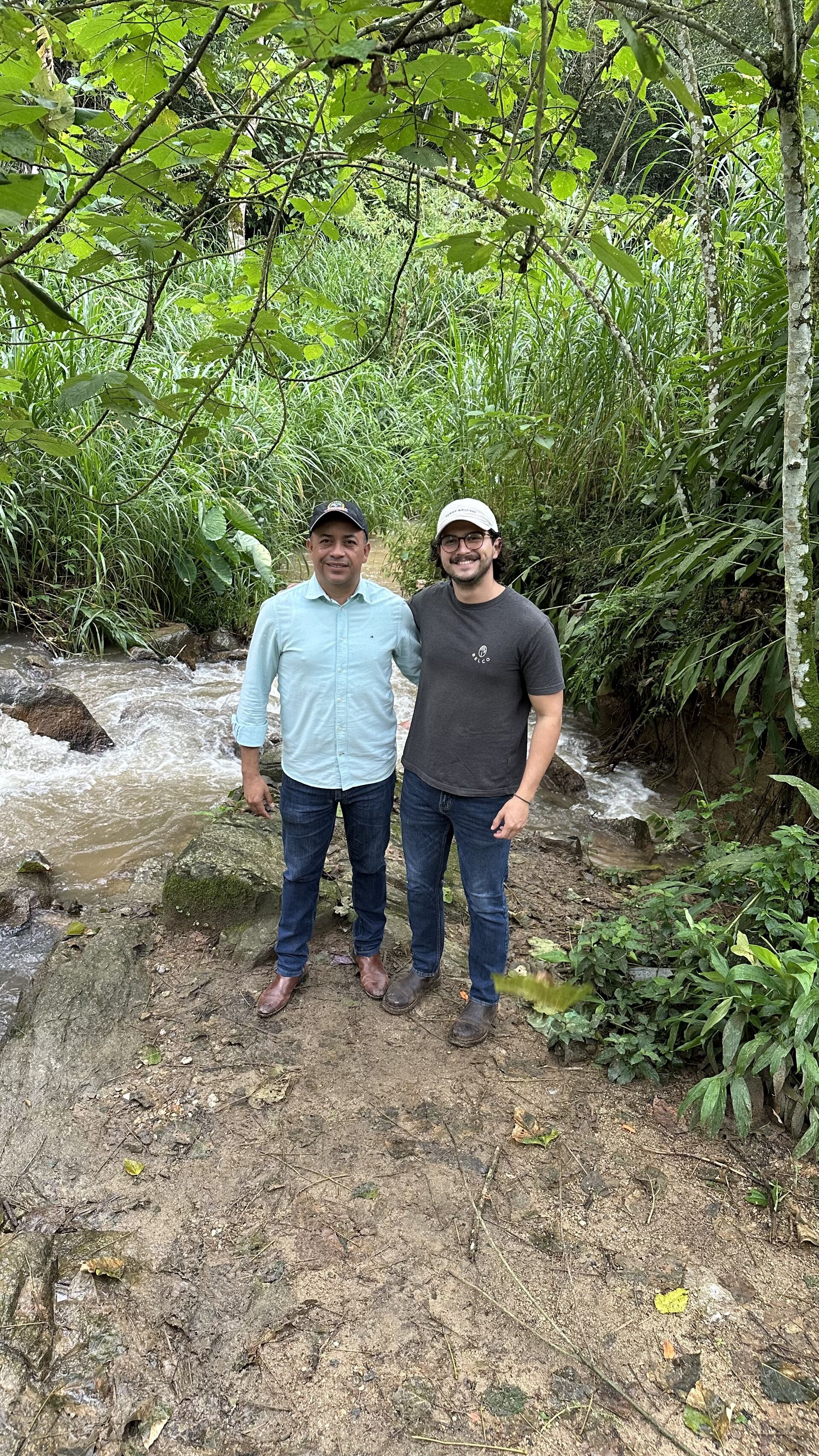
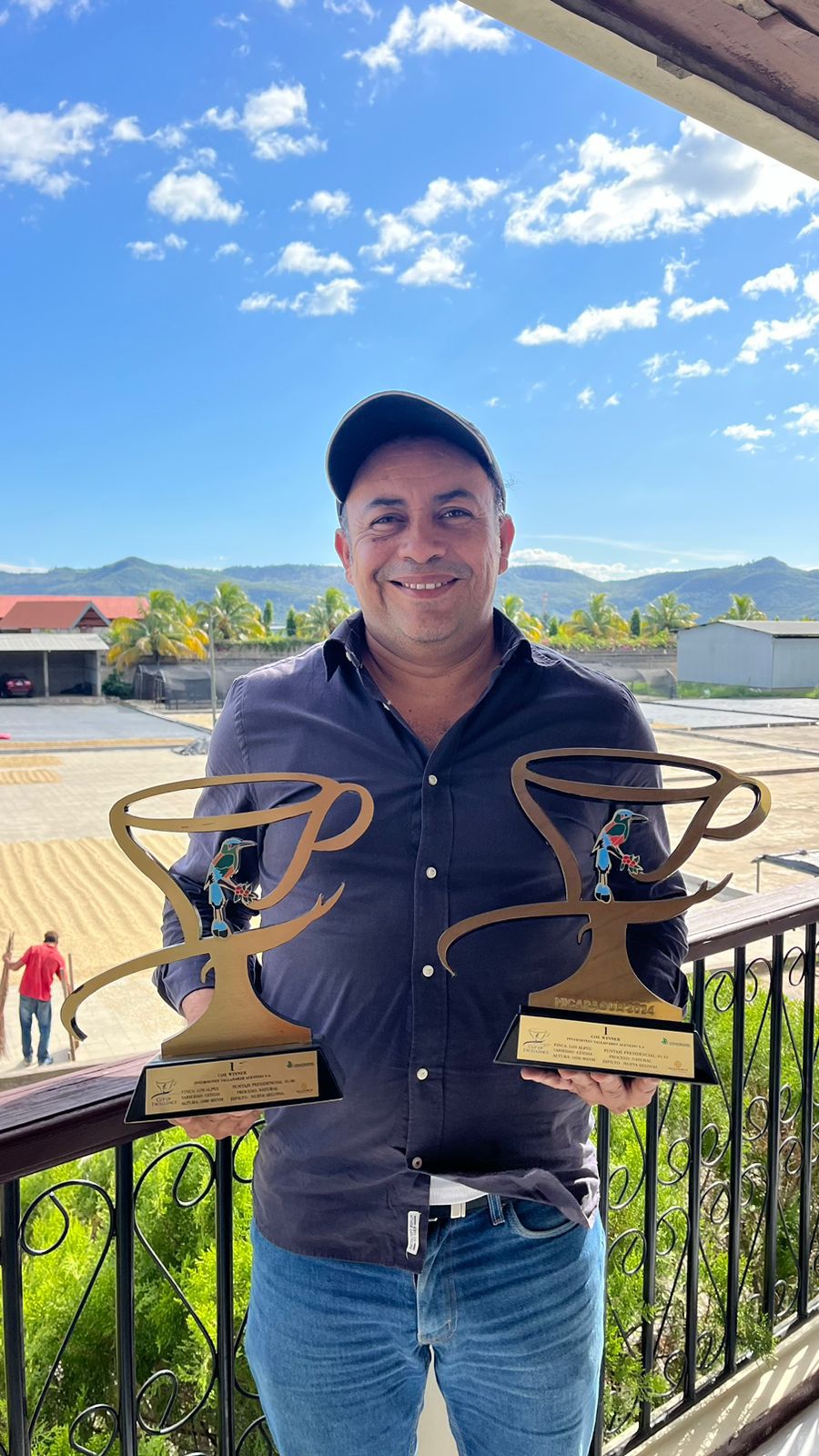
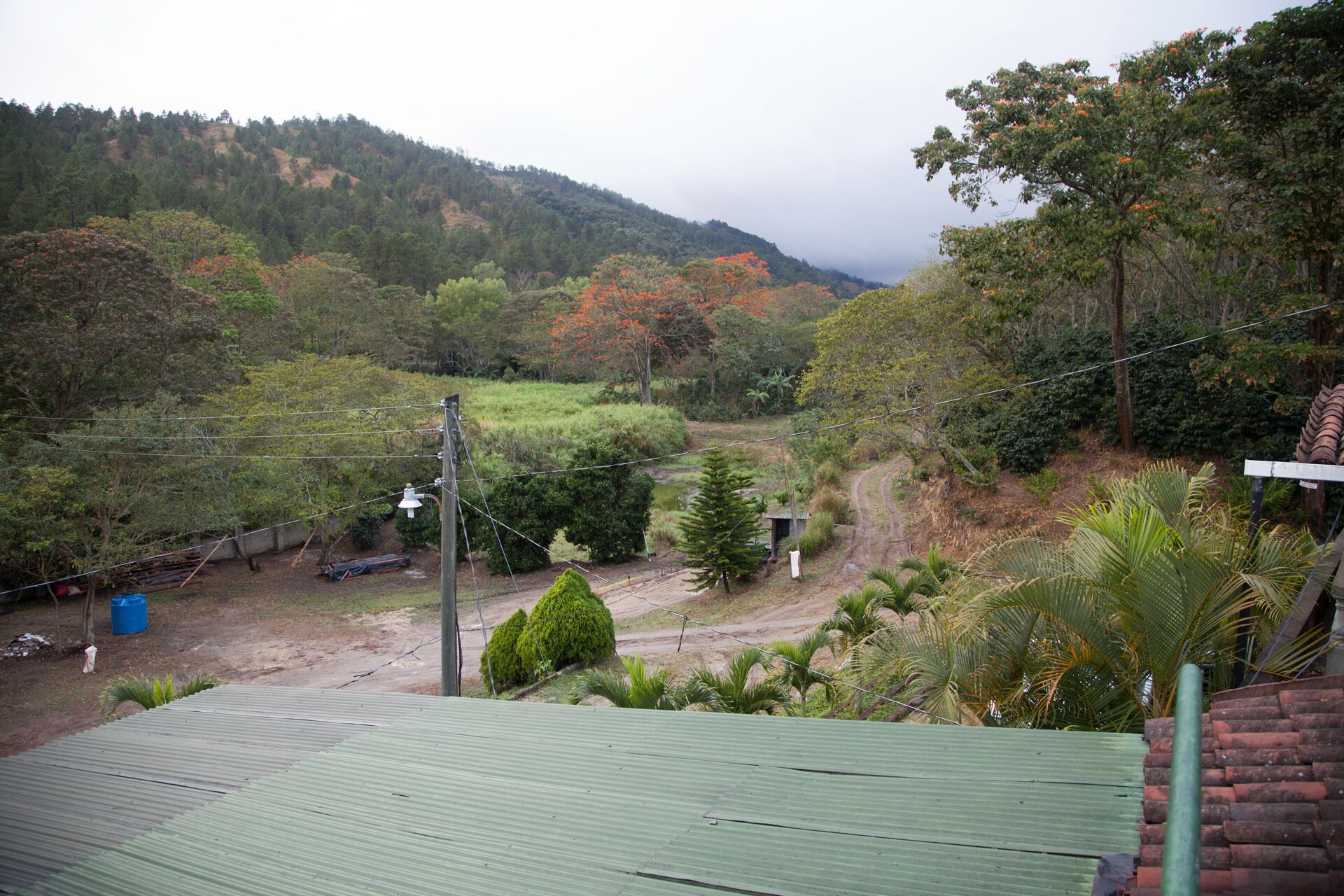
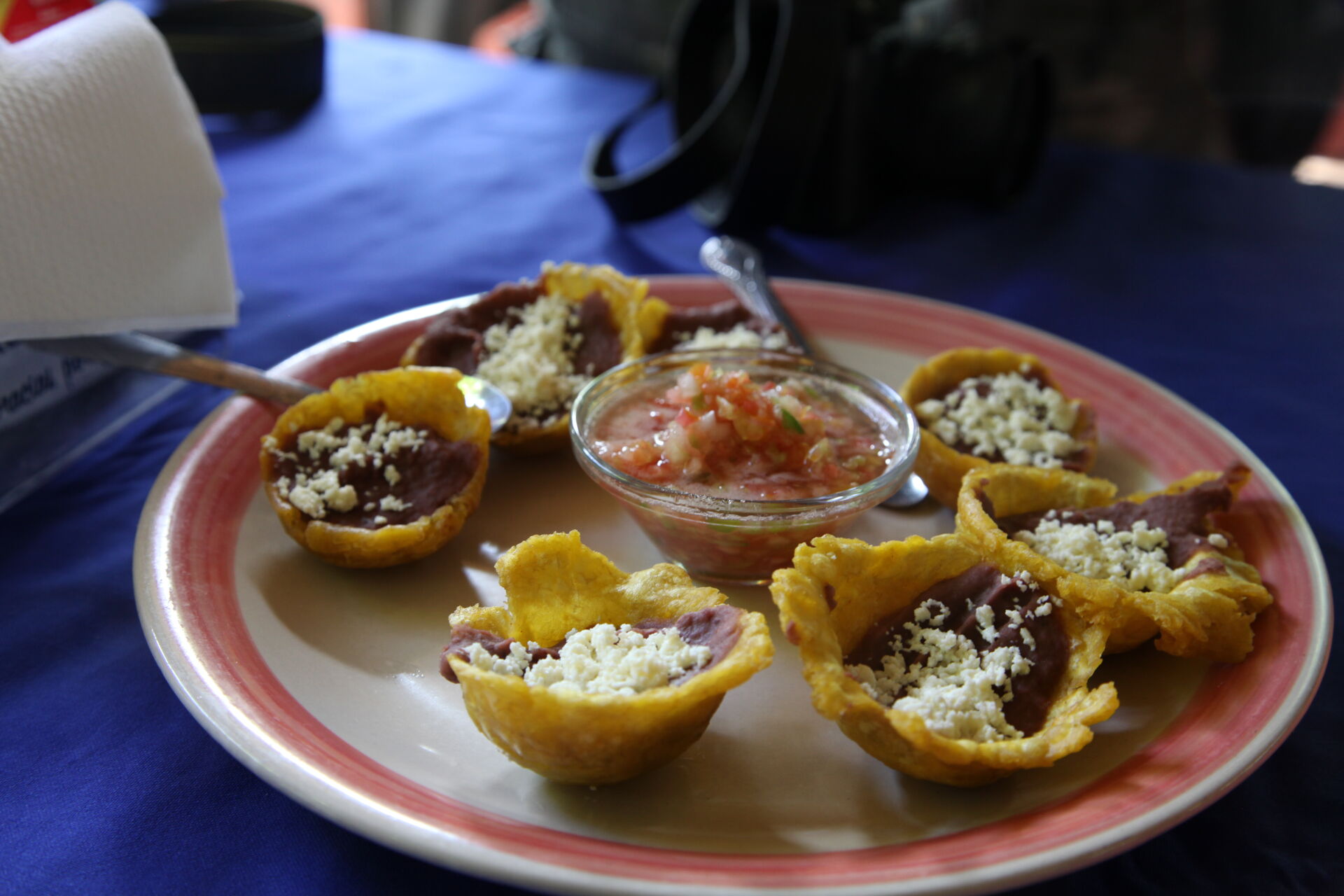
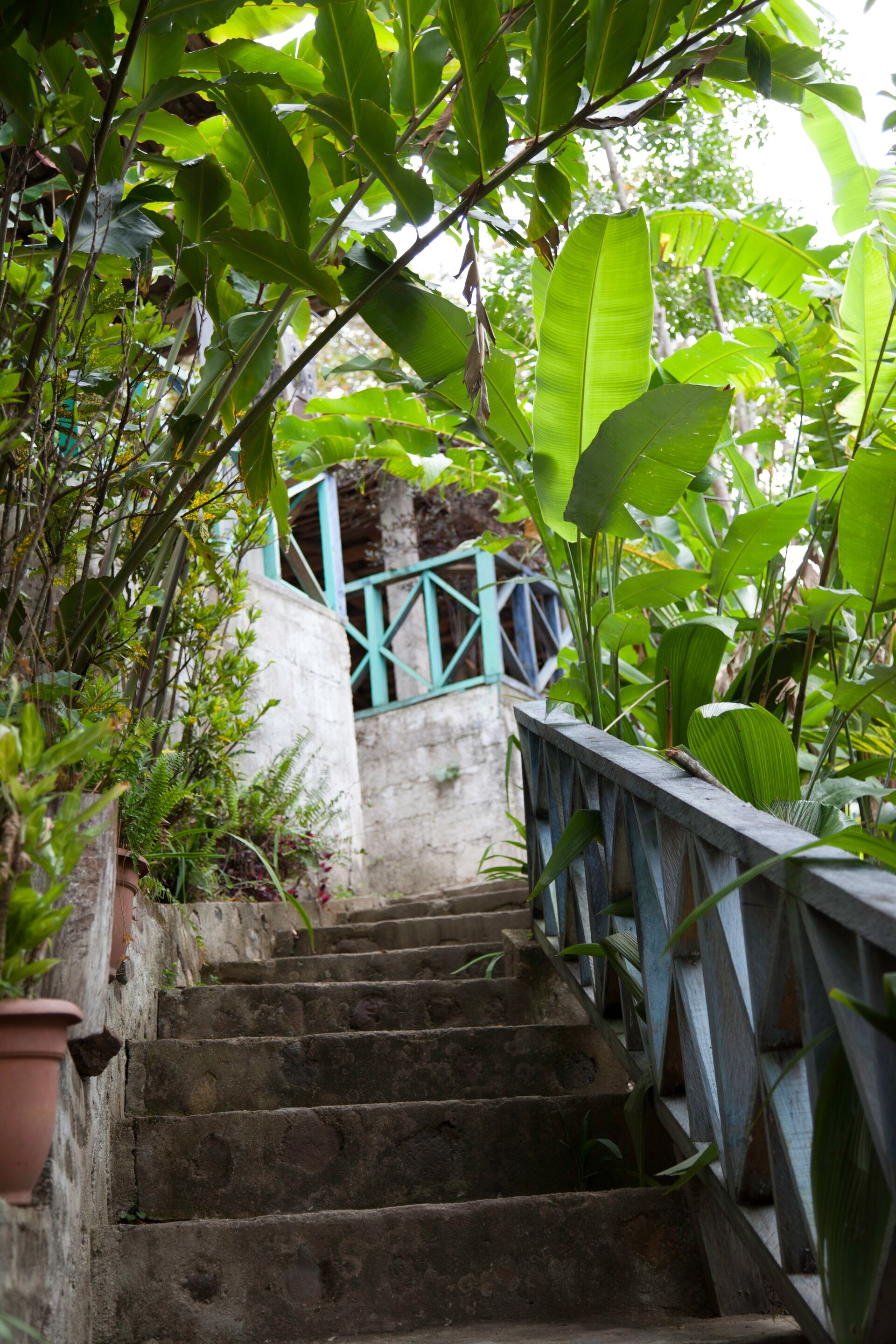
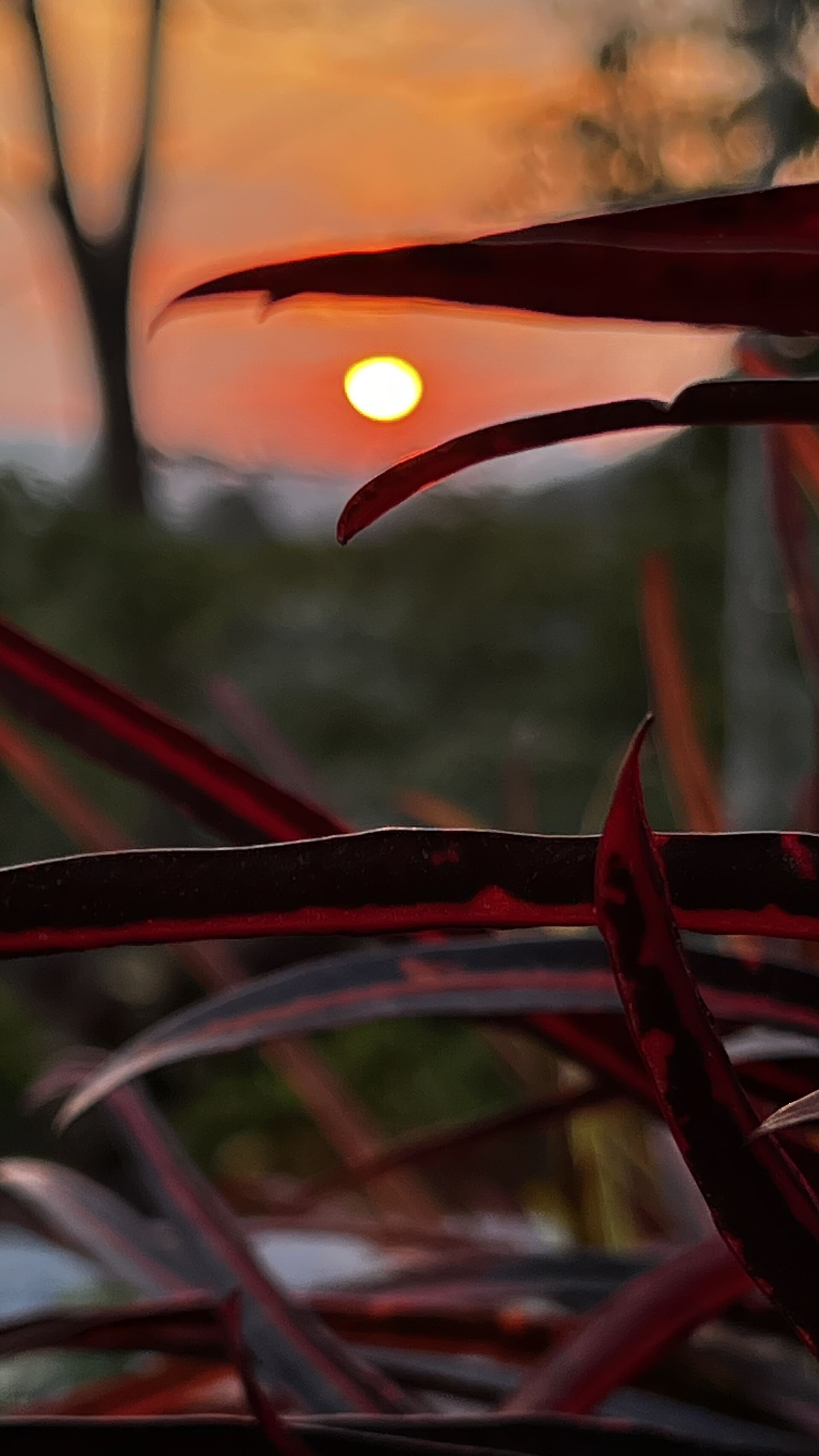
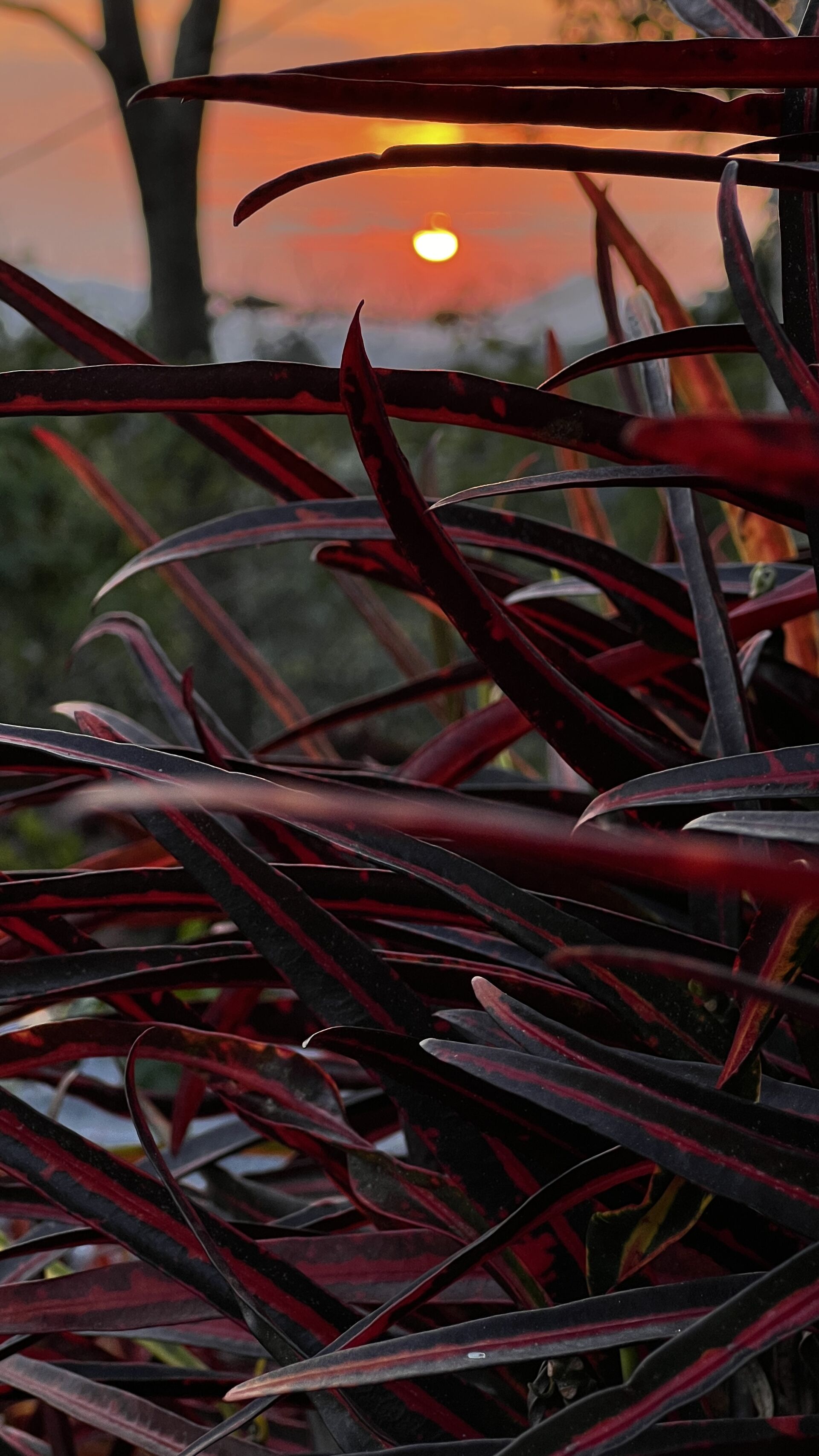
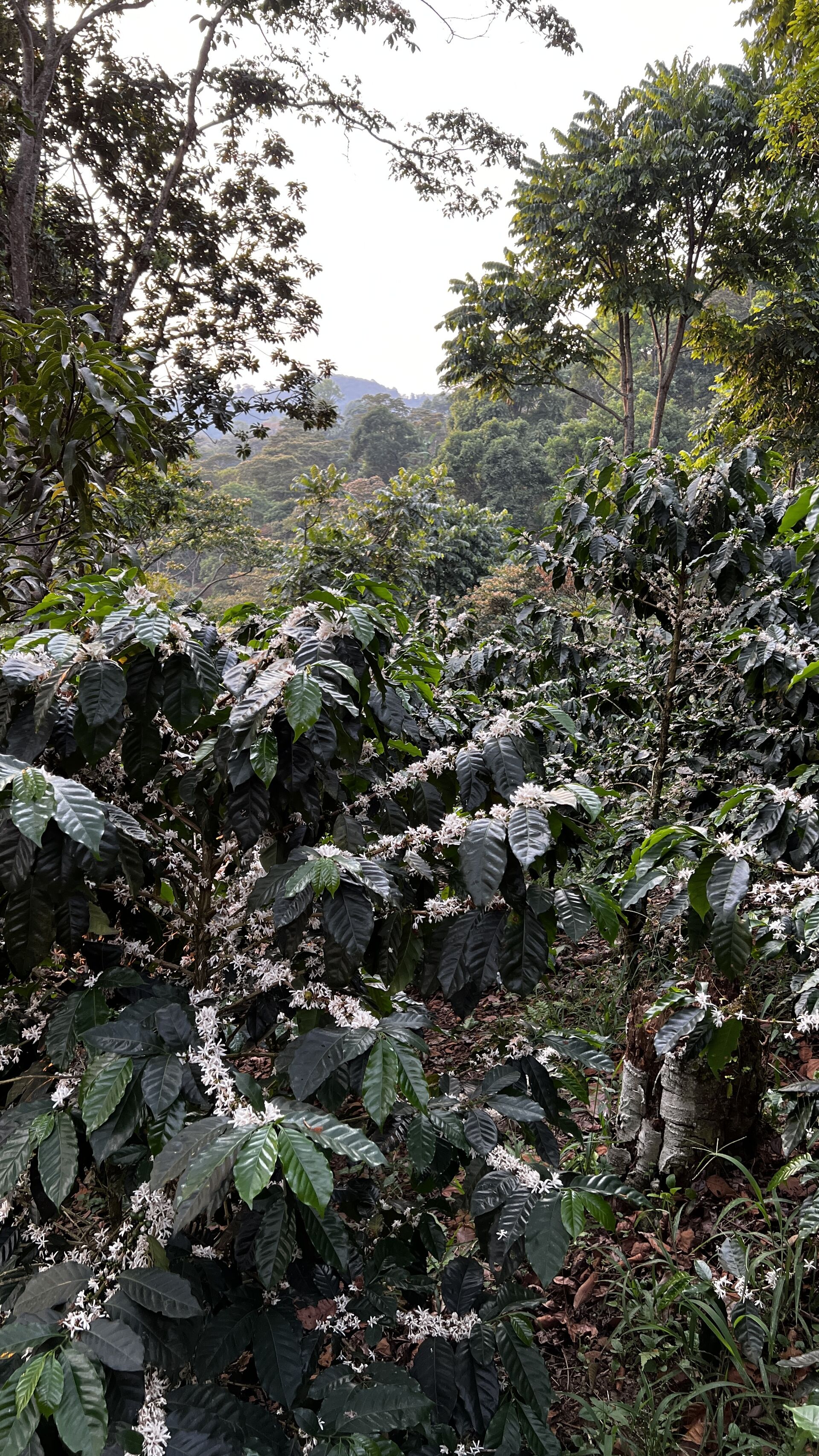
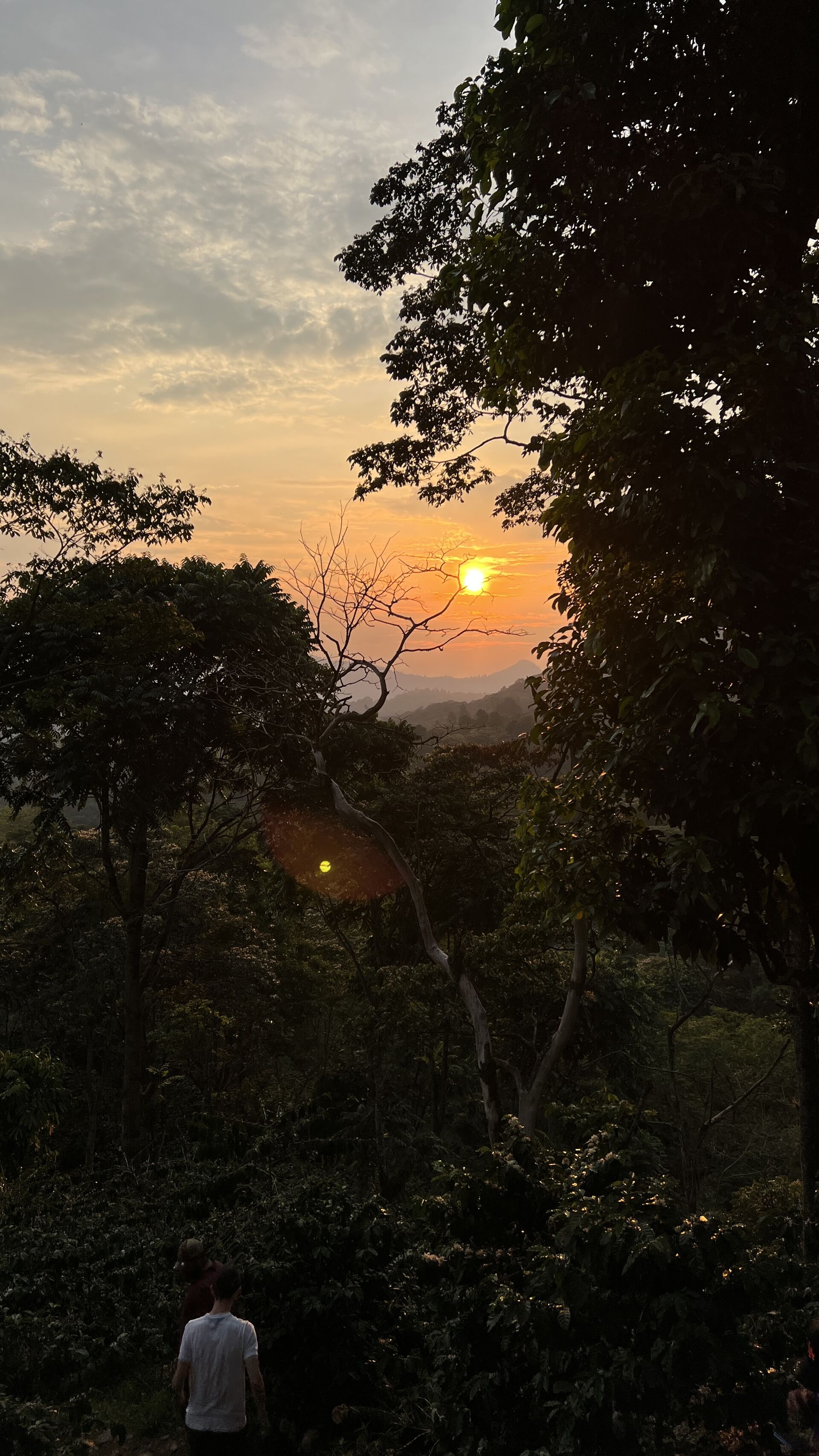
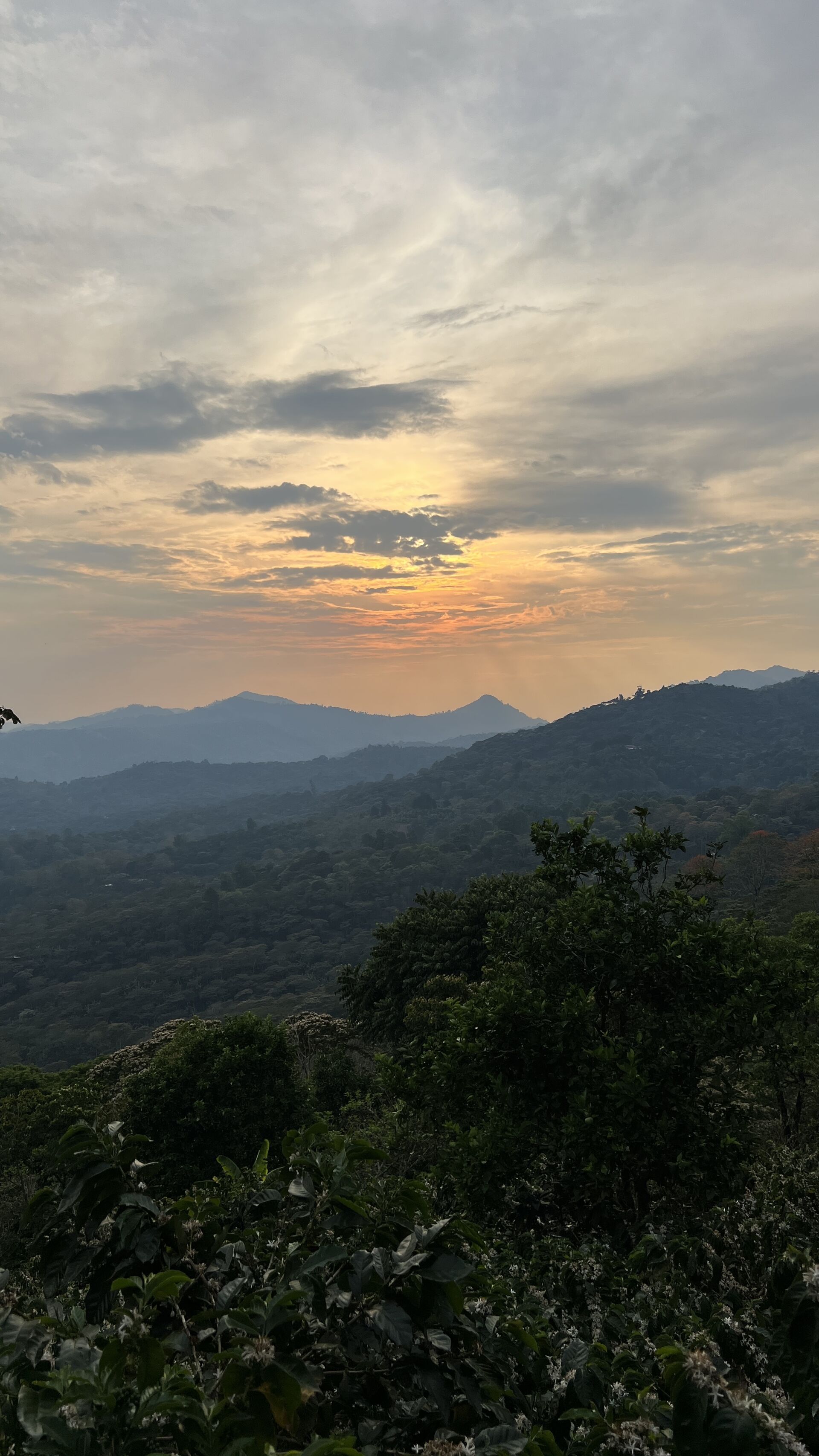
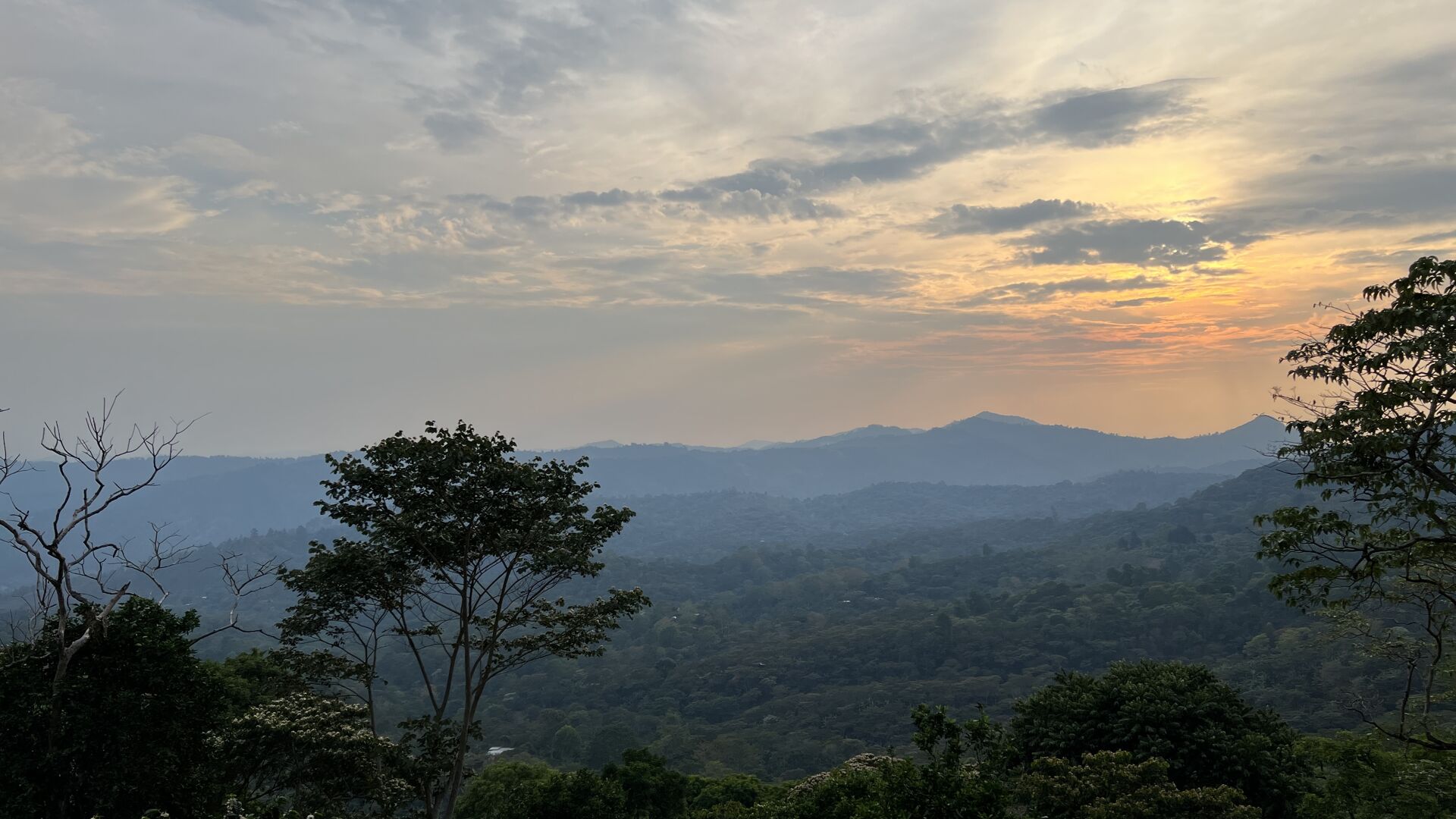
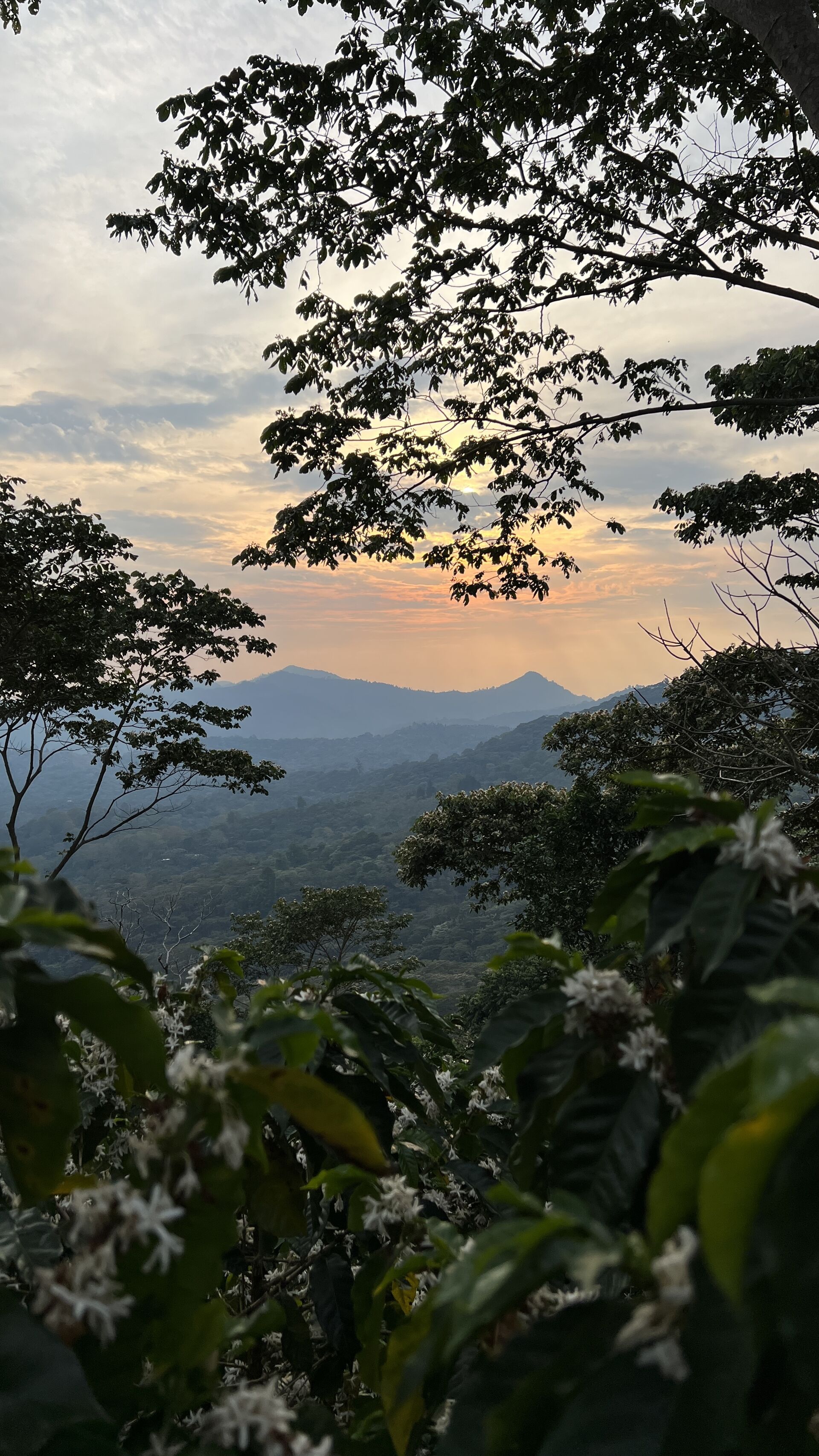
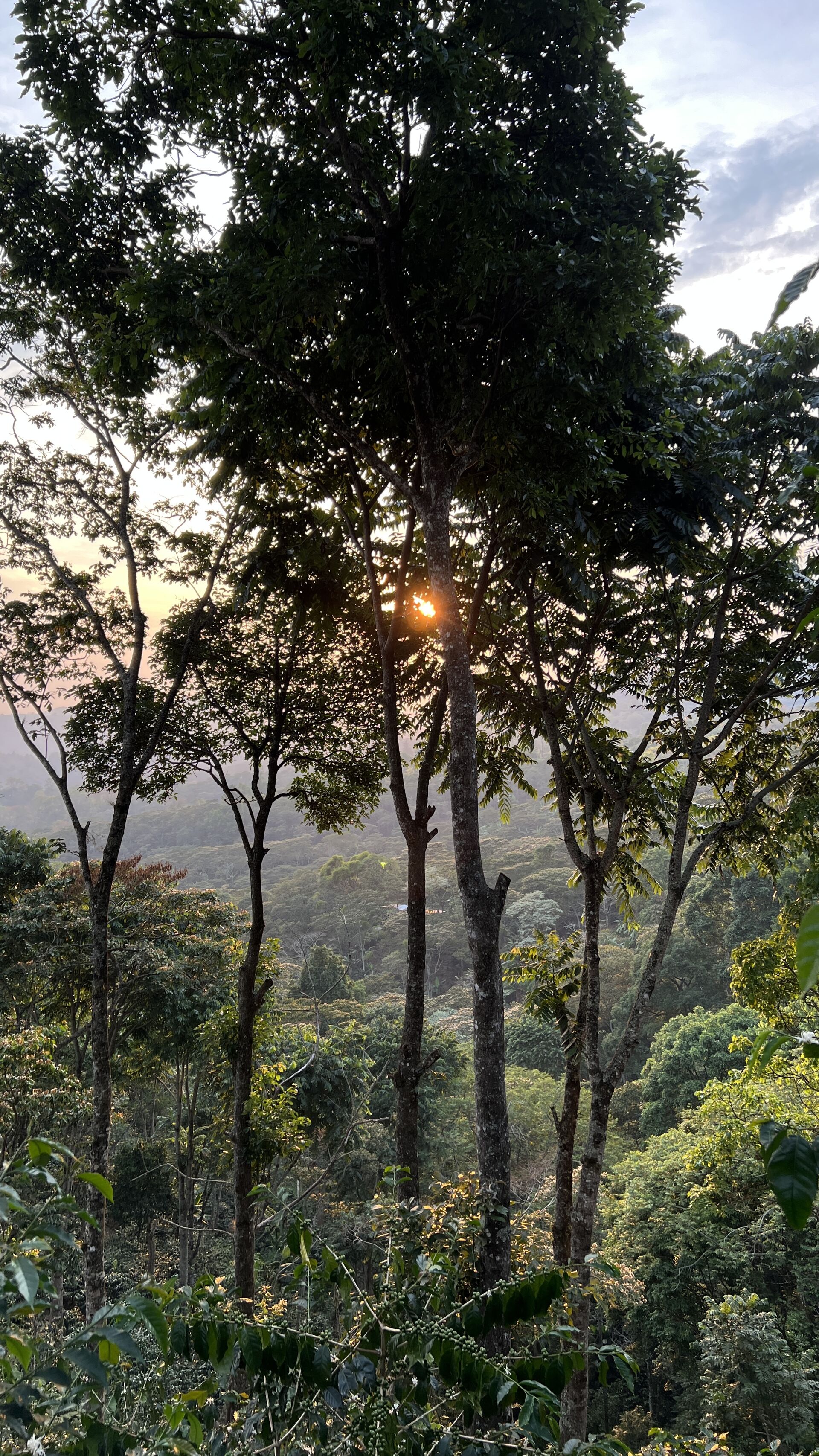
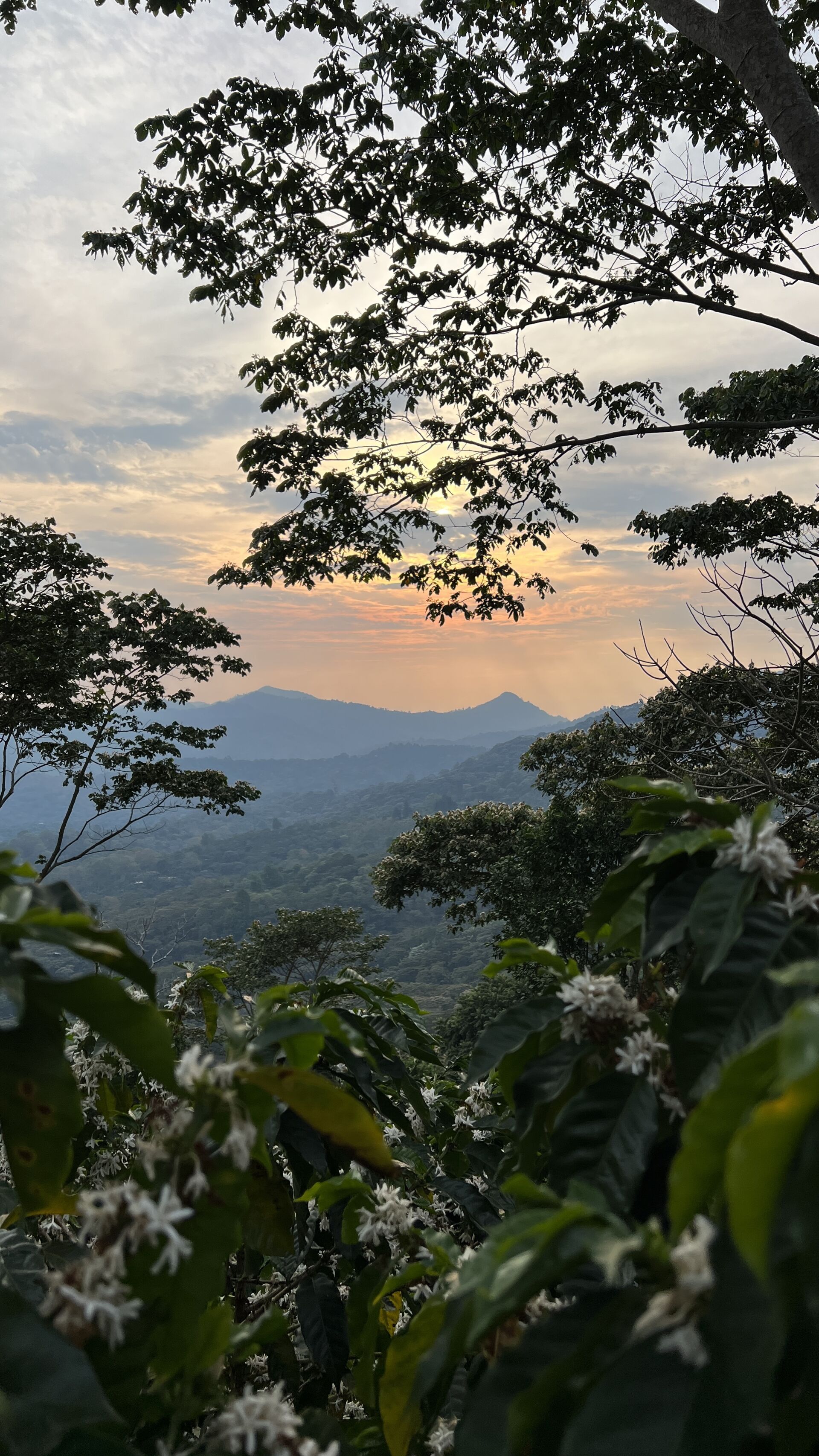
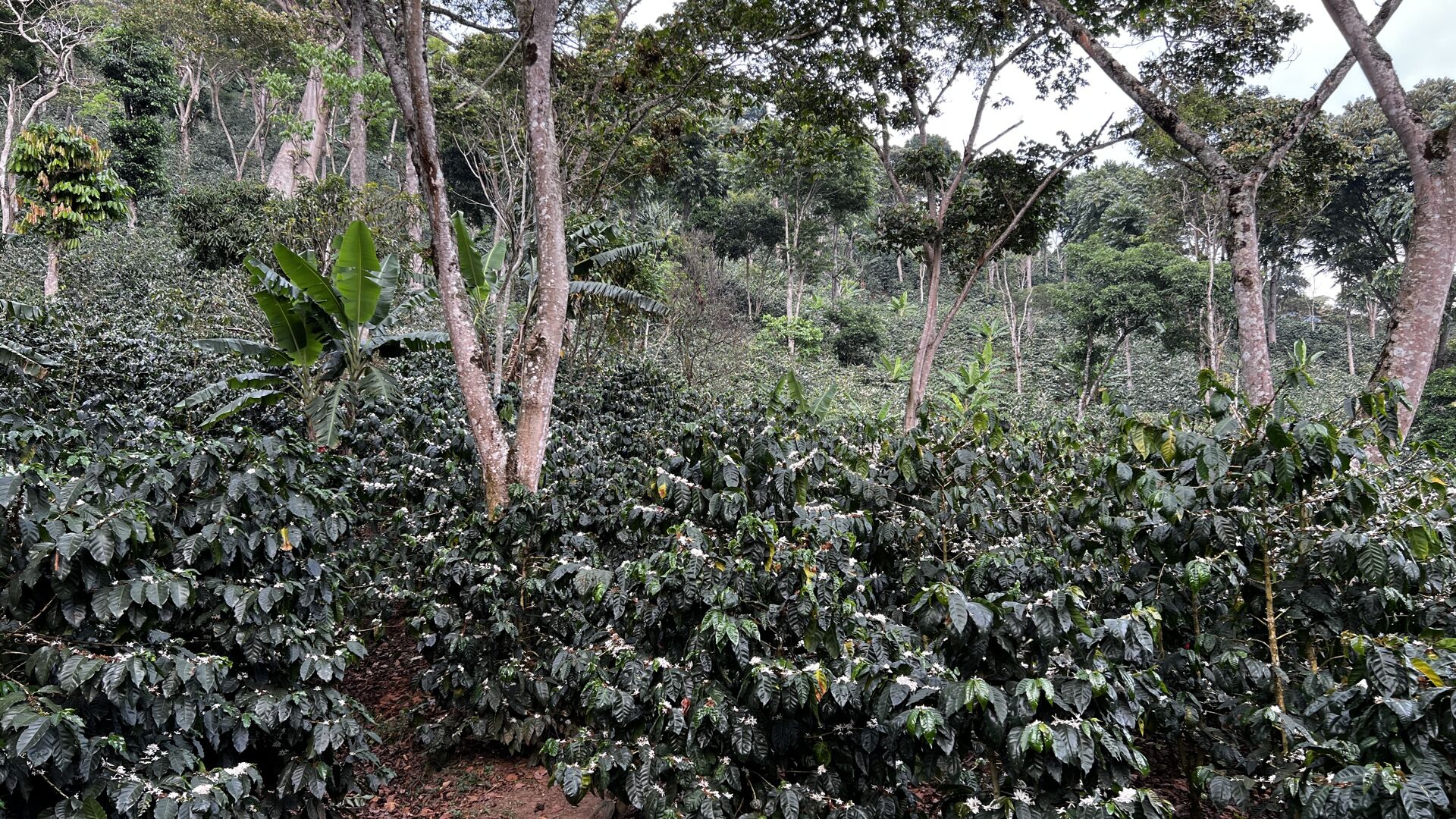
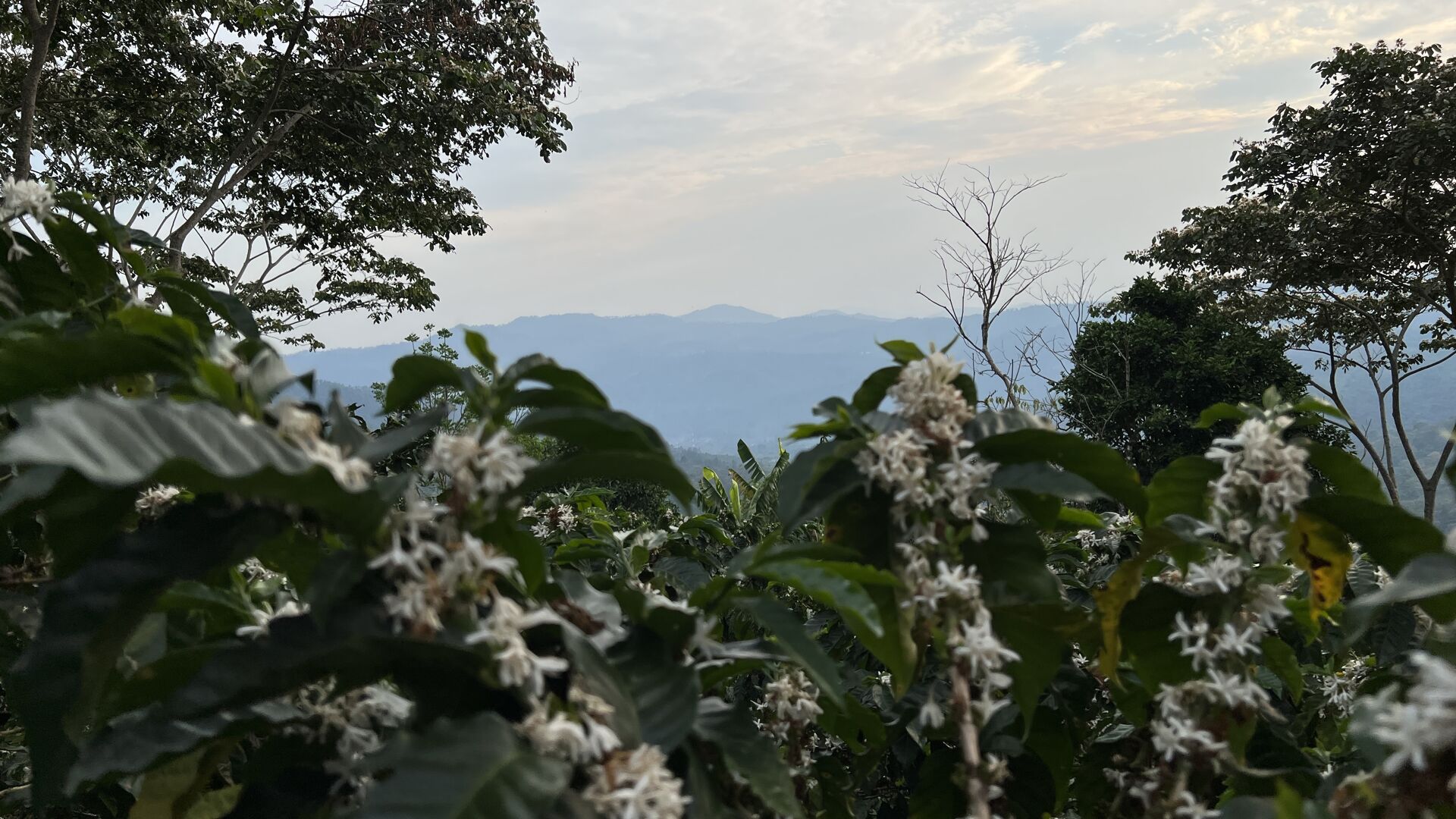
Buenos Aires
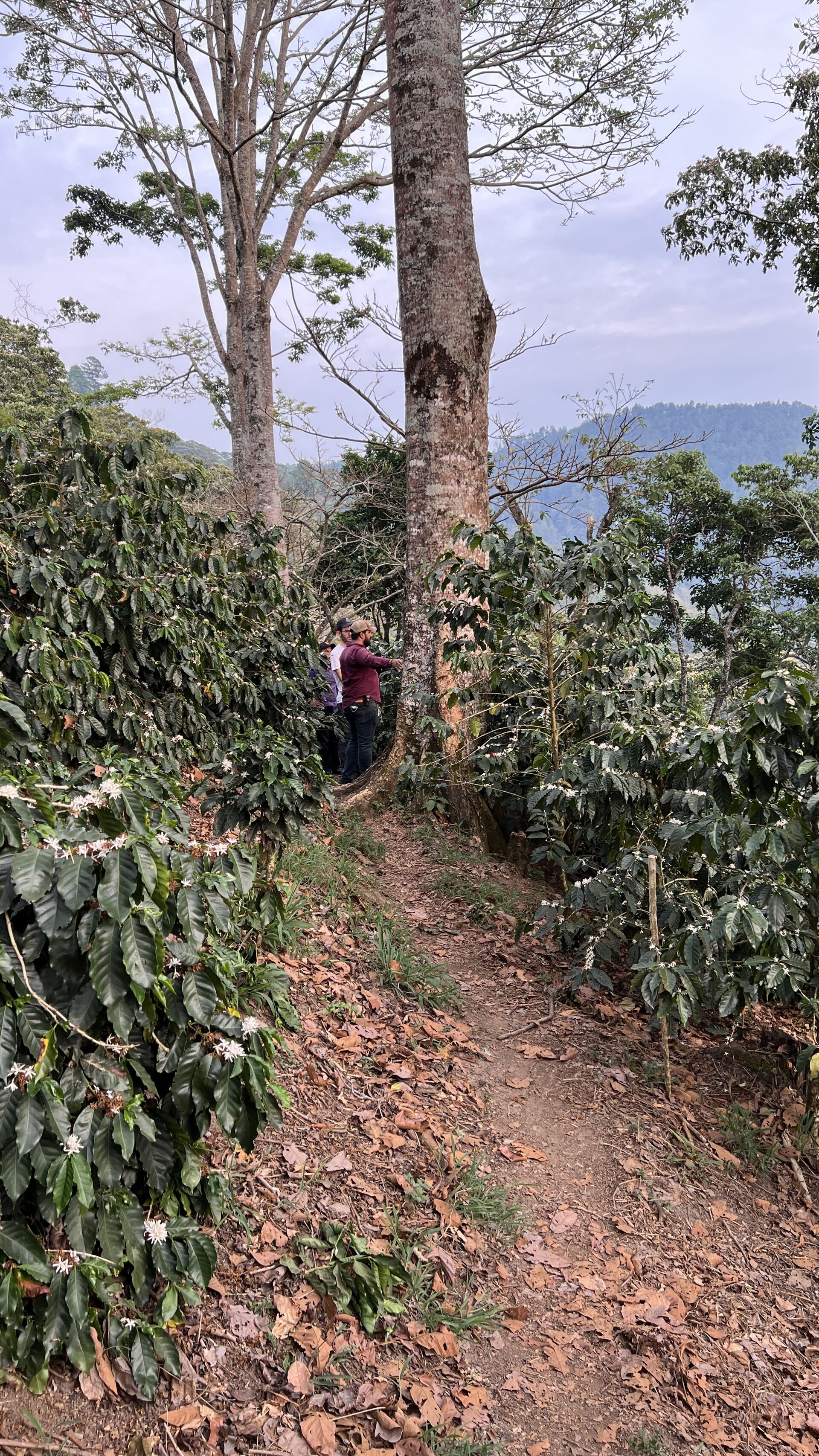
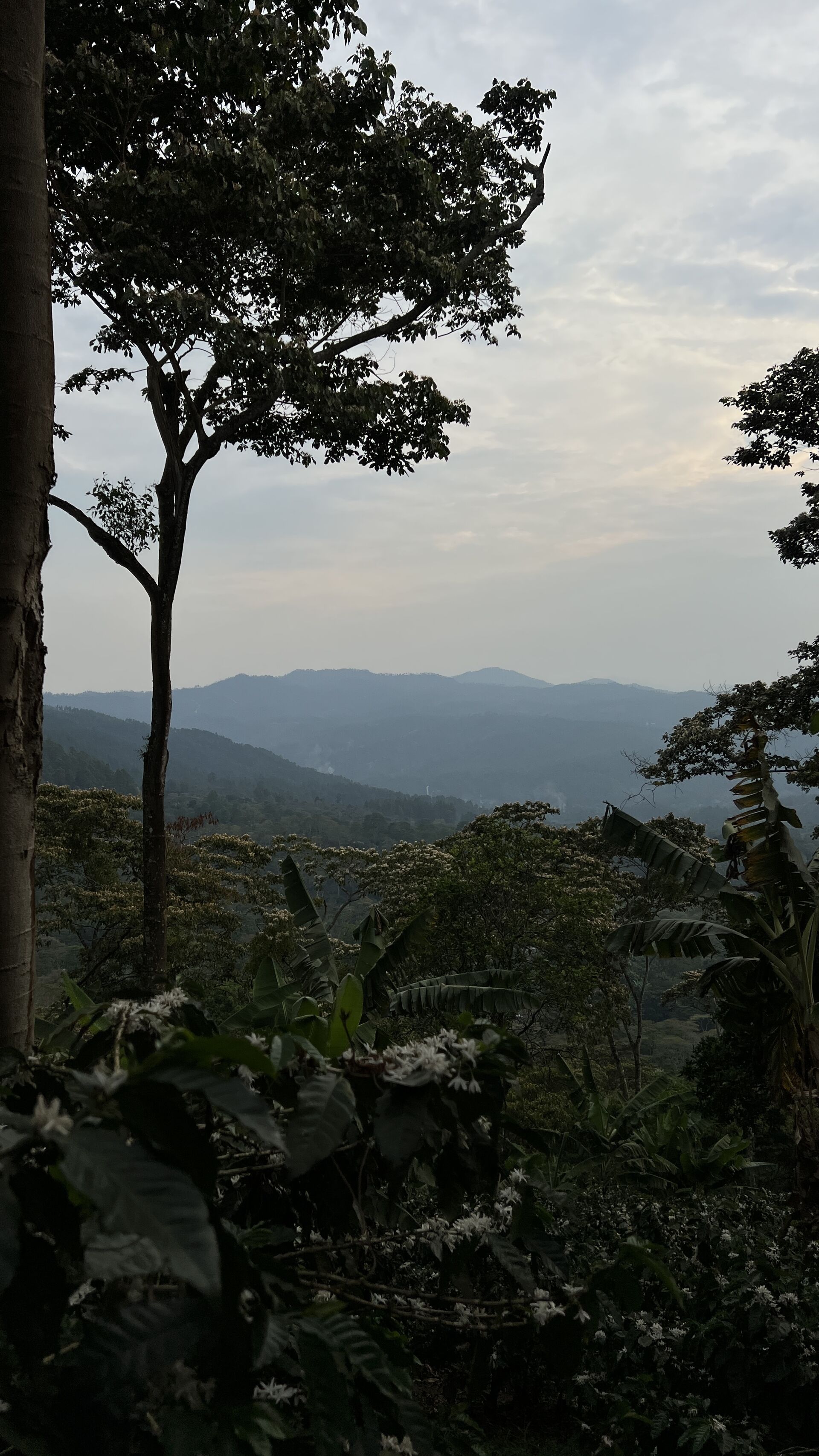
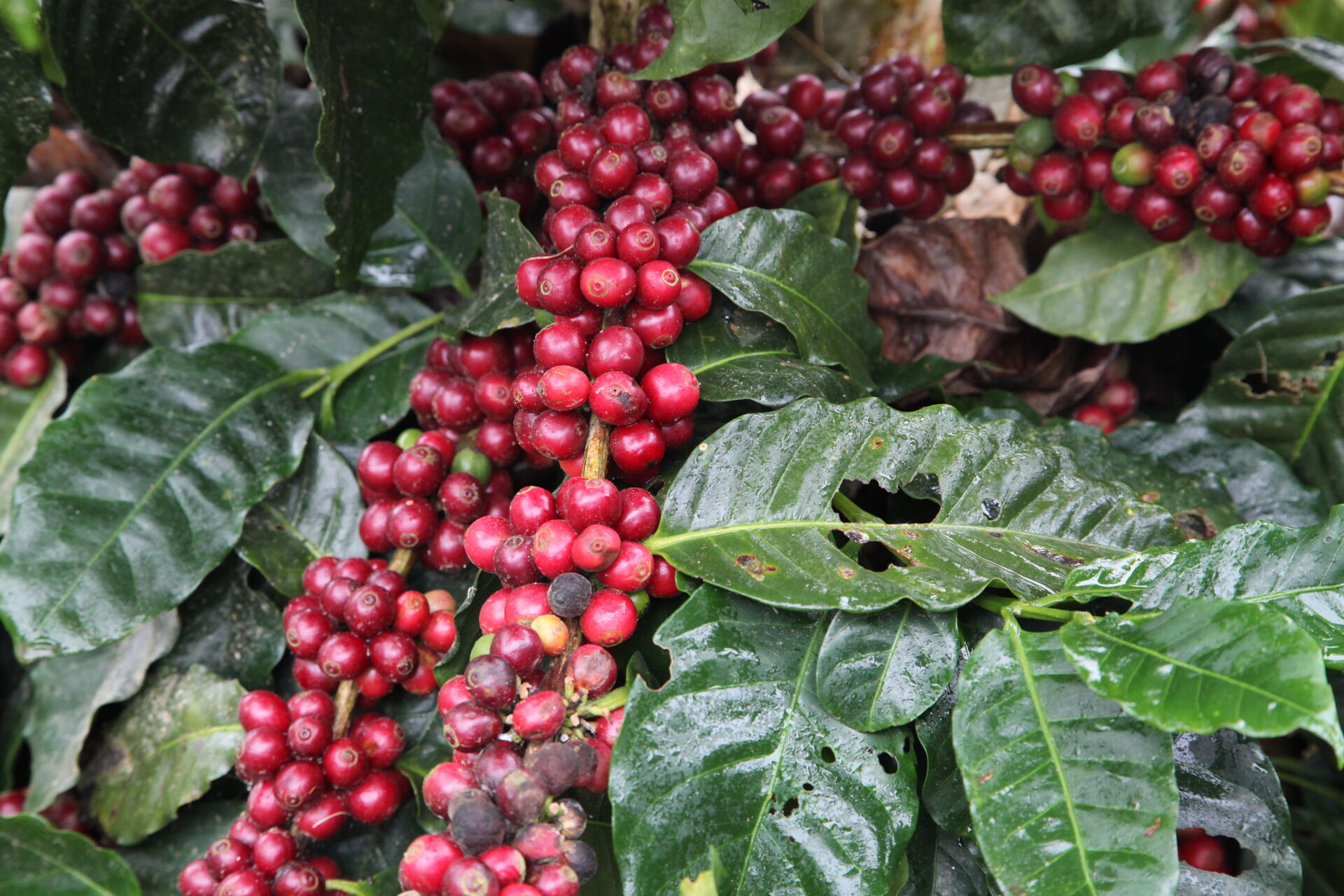
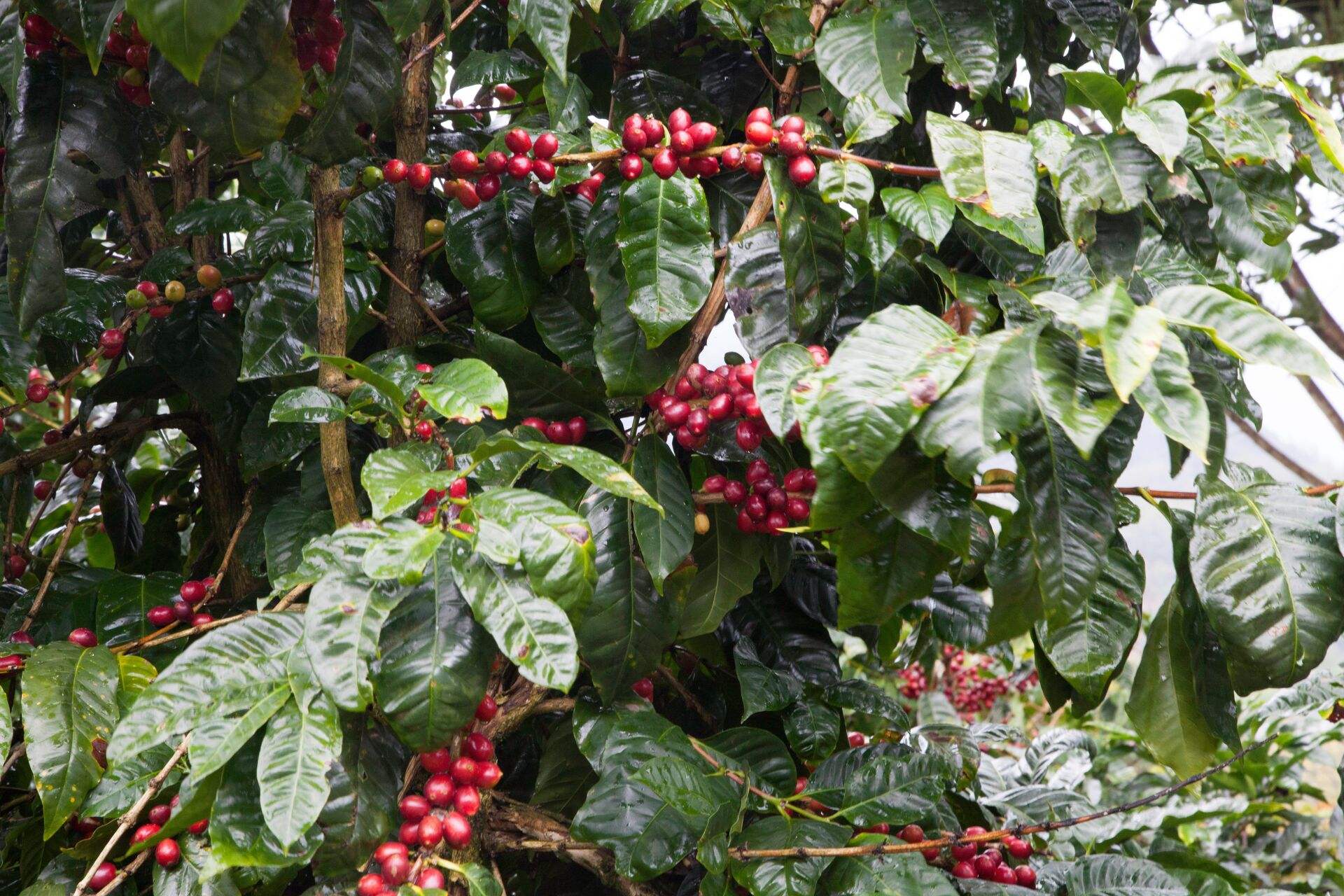
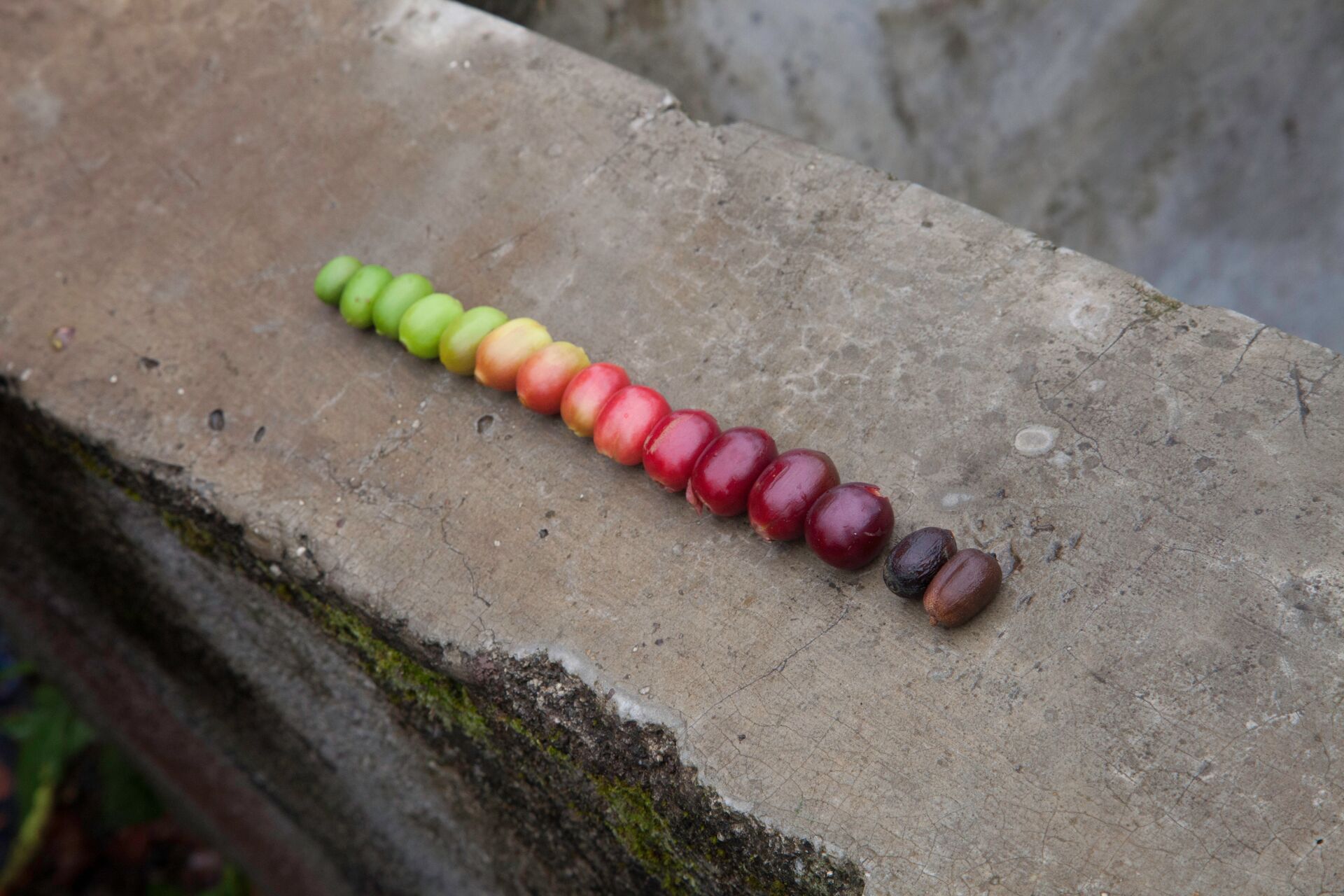
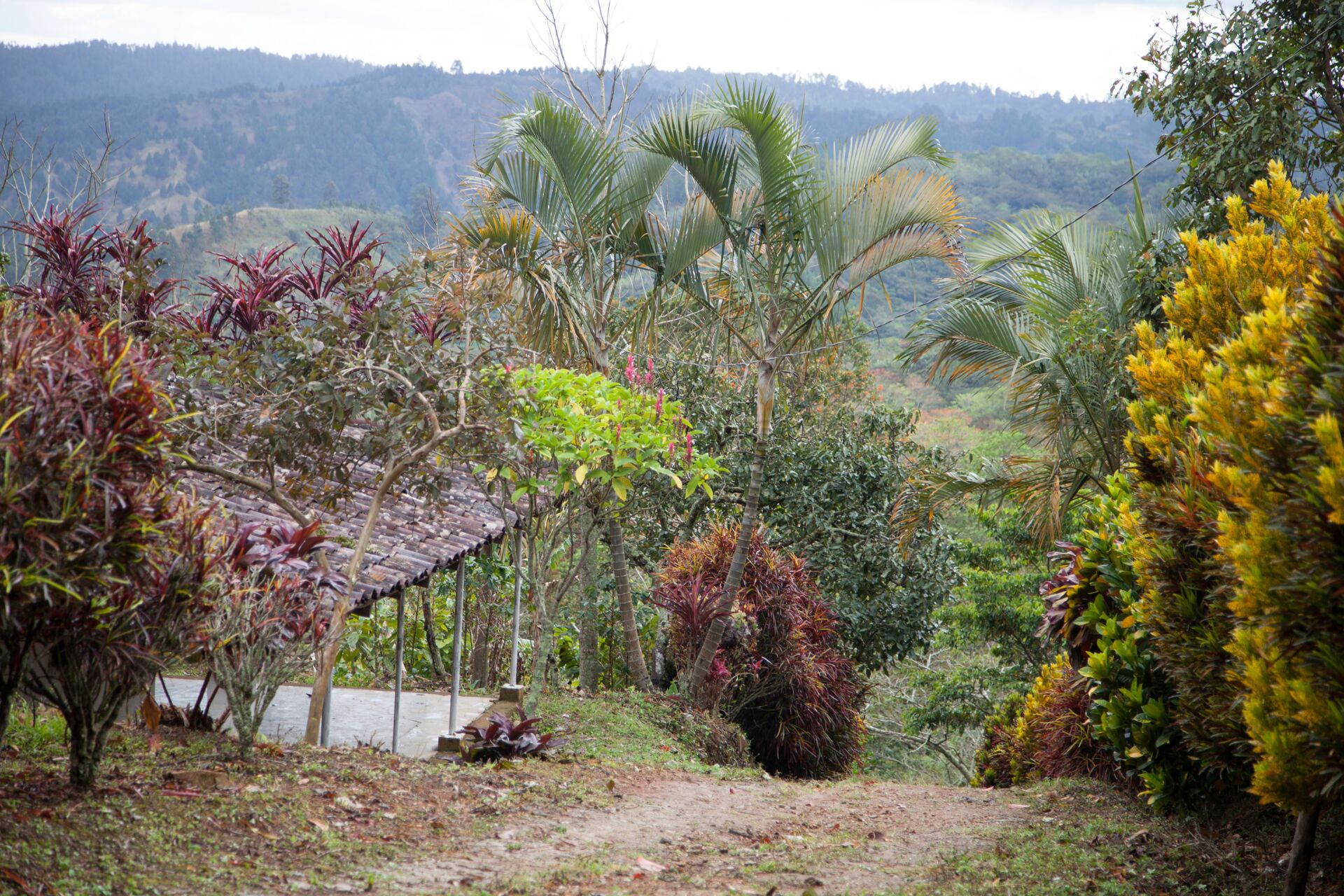
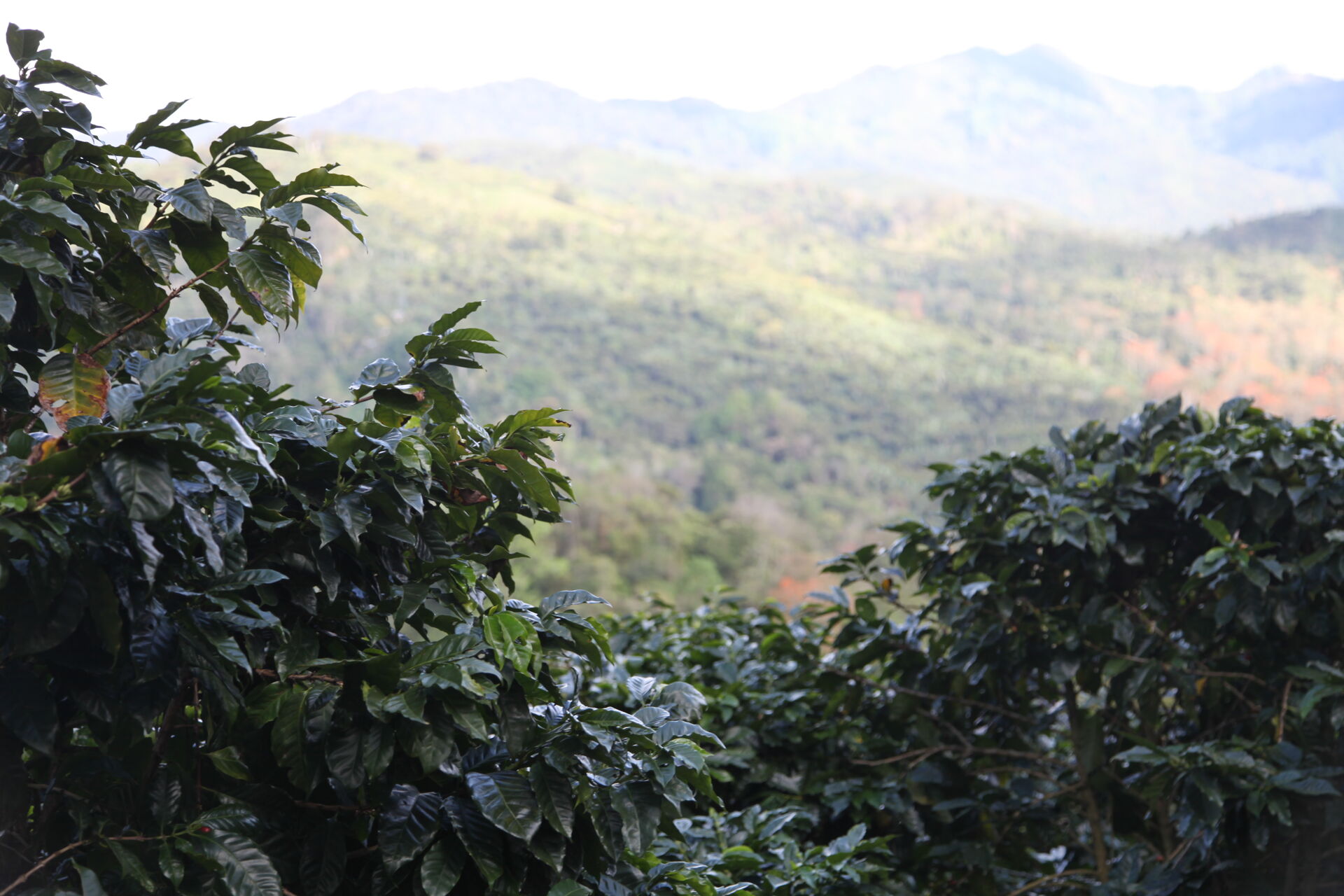
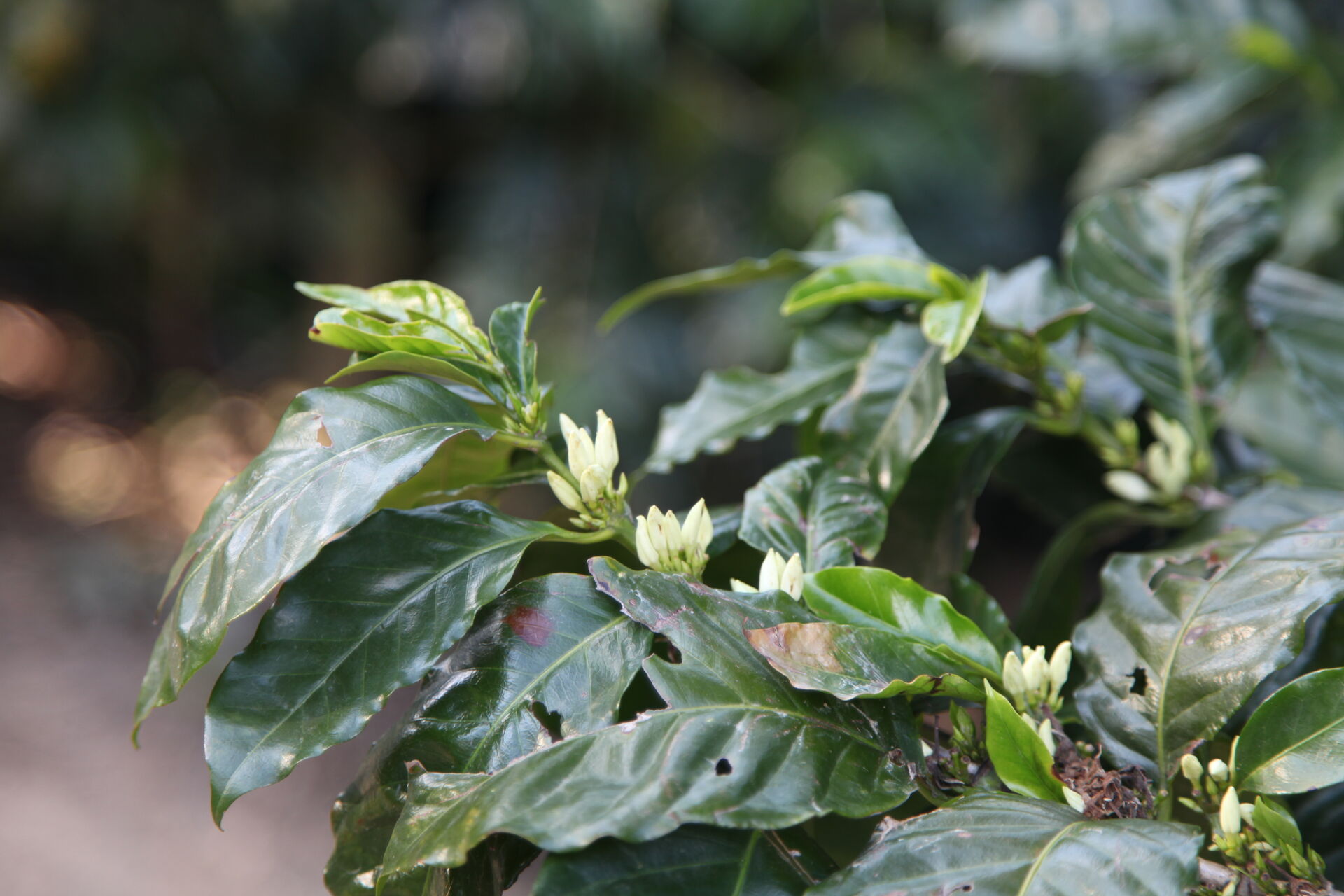
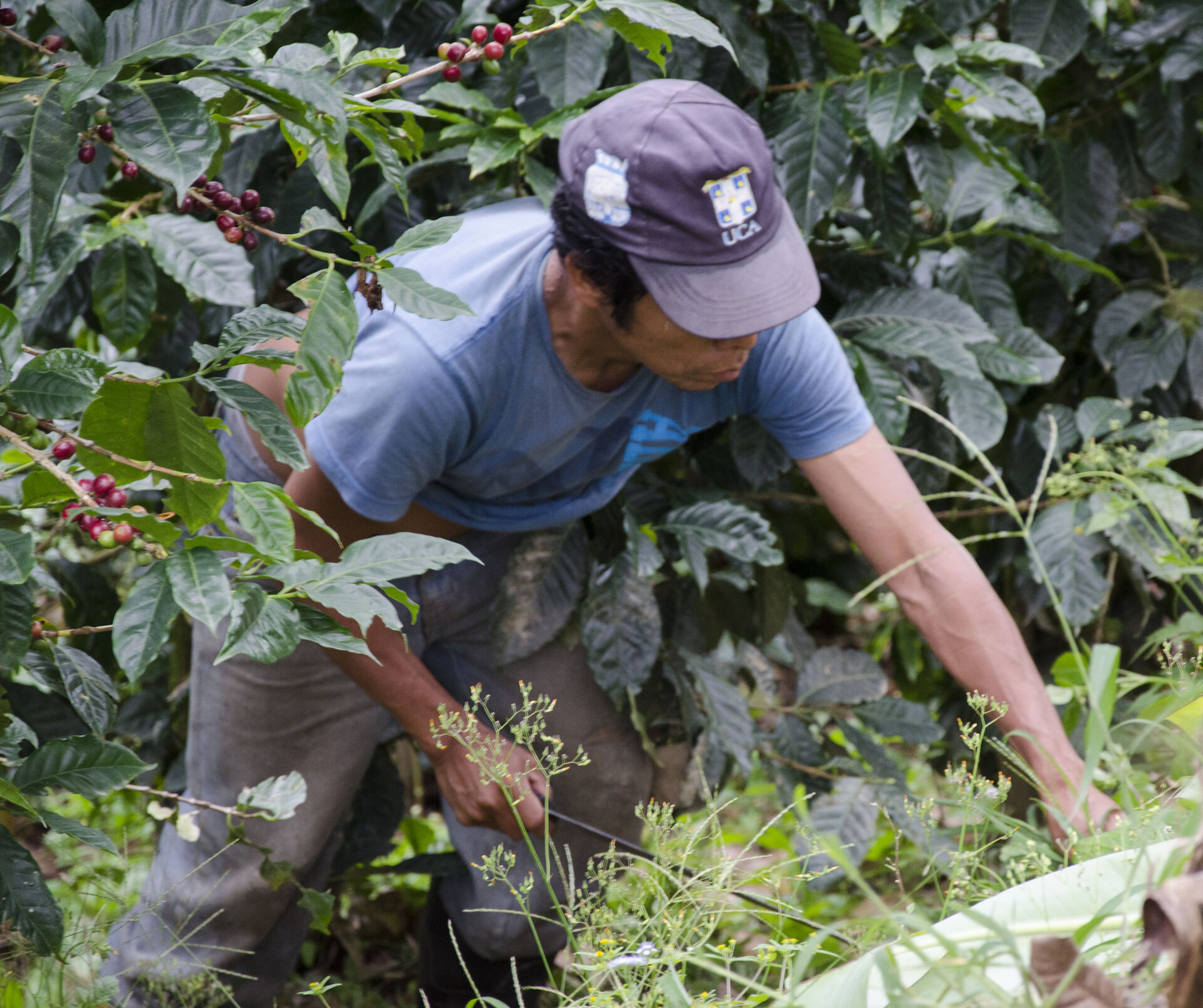
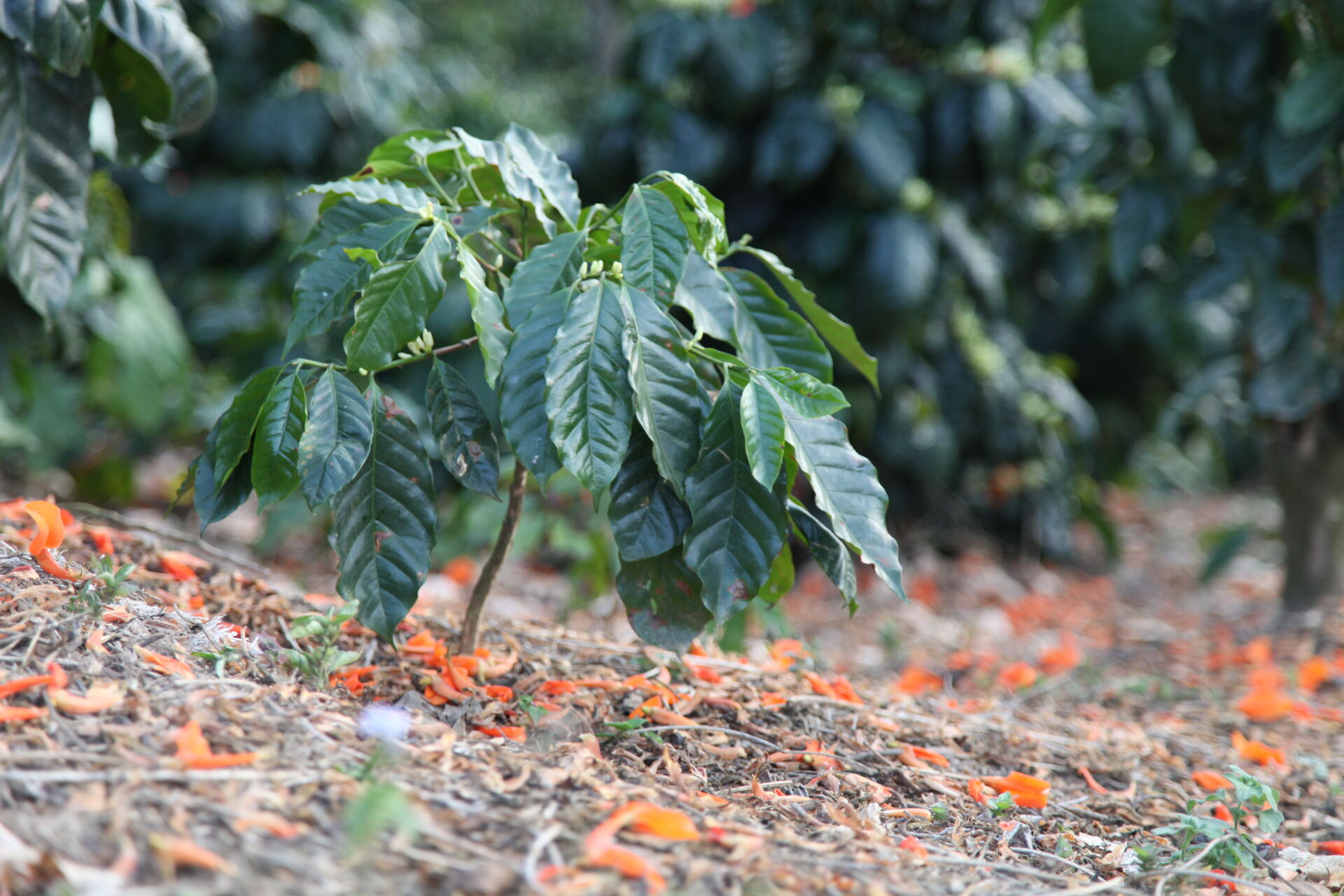
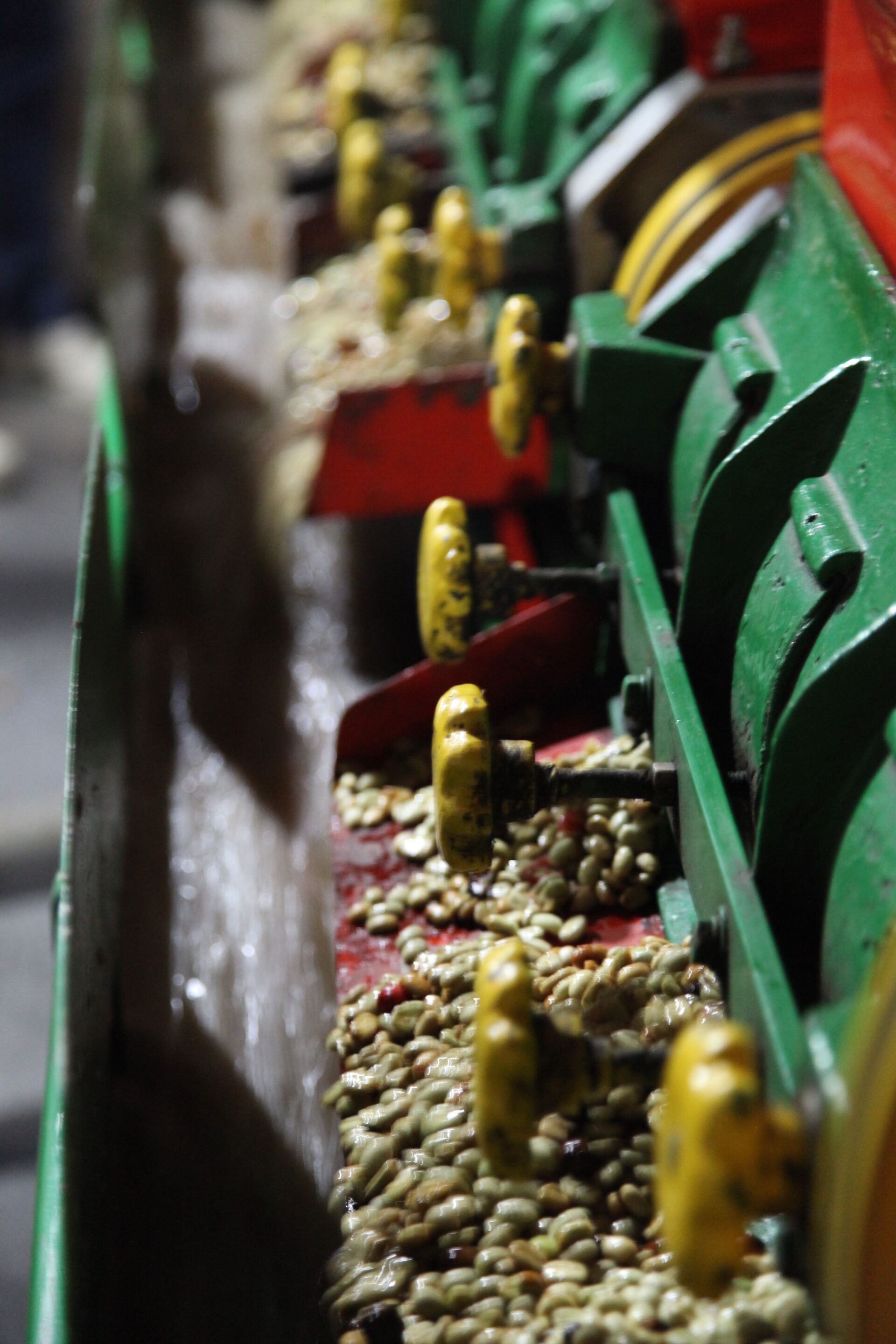
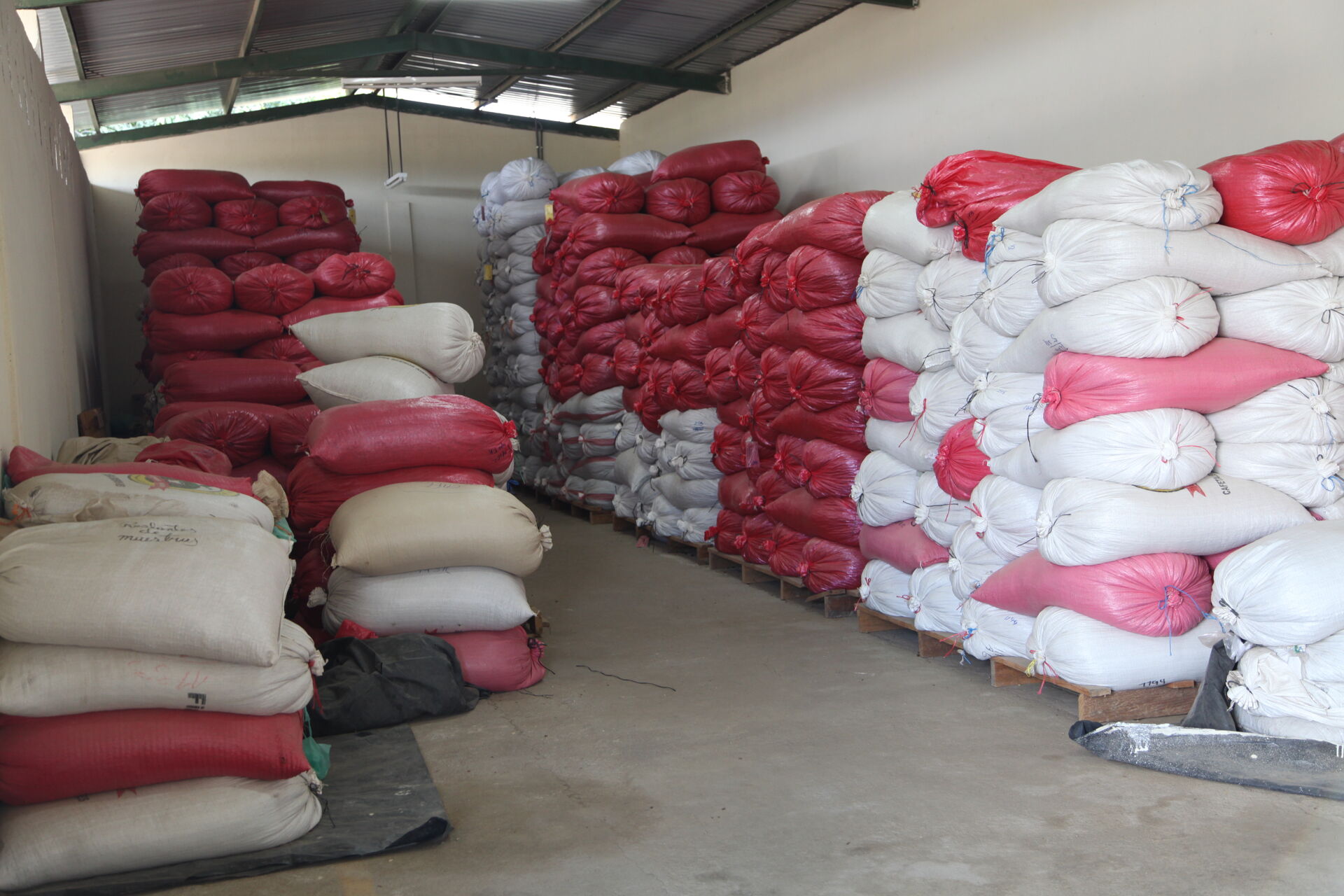
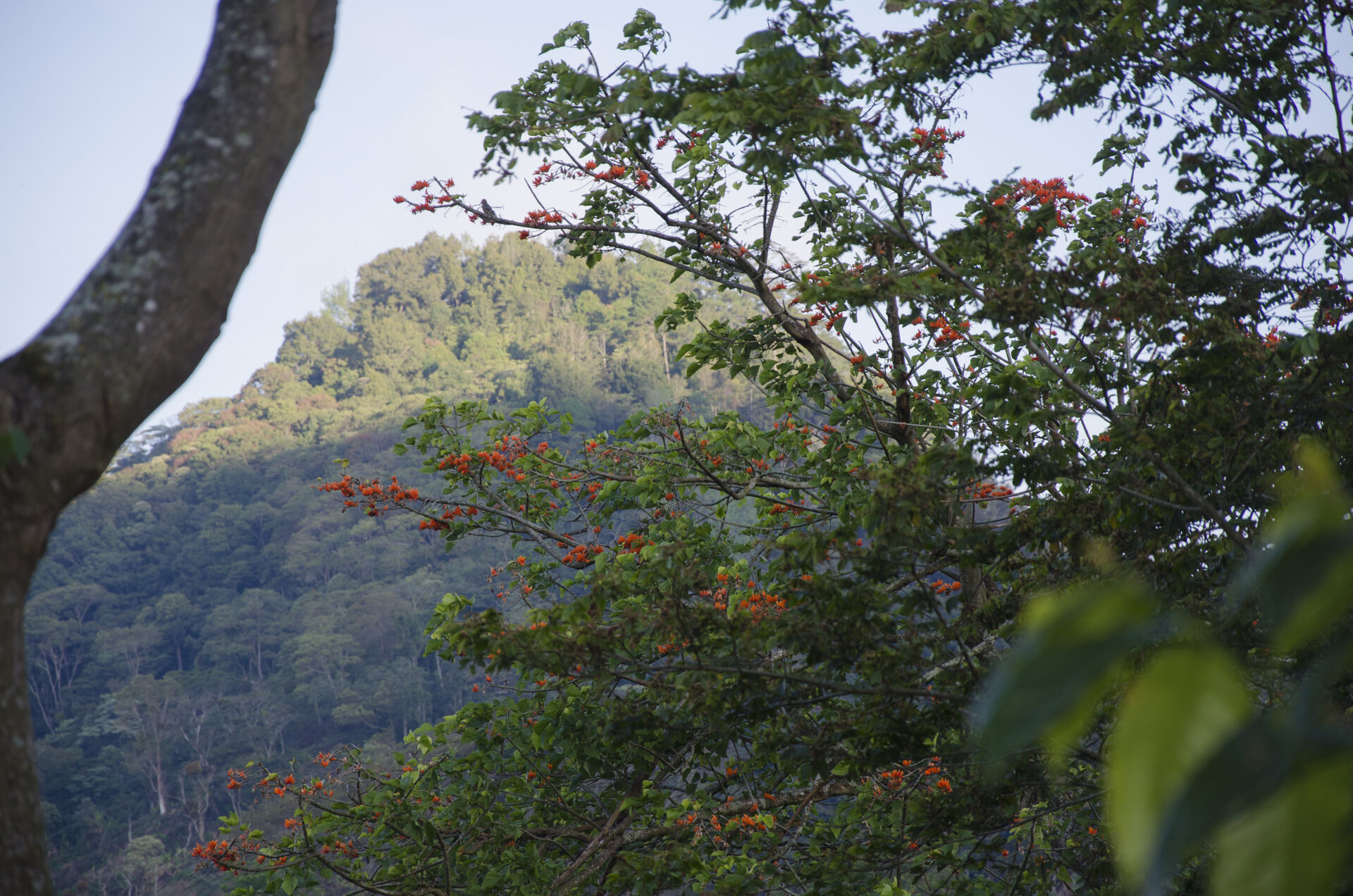
Nicaragua - Nueva Segovia - Dipilto - Buenos Aires - Maragogype - FW
CROP 2025/2026 See coffee details
SCA score84.5
Aromatic notes
orangedried fruitmilk chocolatehoneygreenspices
In stock, ready to order (69kg)
SampleFree evaluation sampleRequest a sample
Price quoteCurrent price and stock informationRequest a quote
History and traceability
Identity card
- OriginNicaragua
- RegionNueva Segovia
- TerroirDipilto
- SpeciesArabica
- VarietiesMaragogype
- ProcessWashed
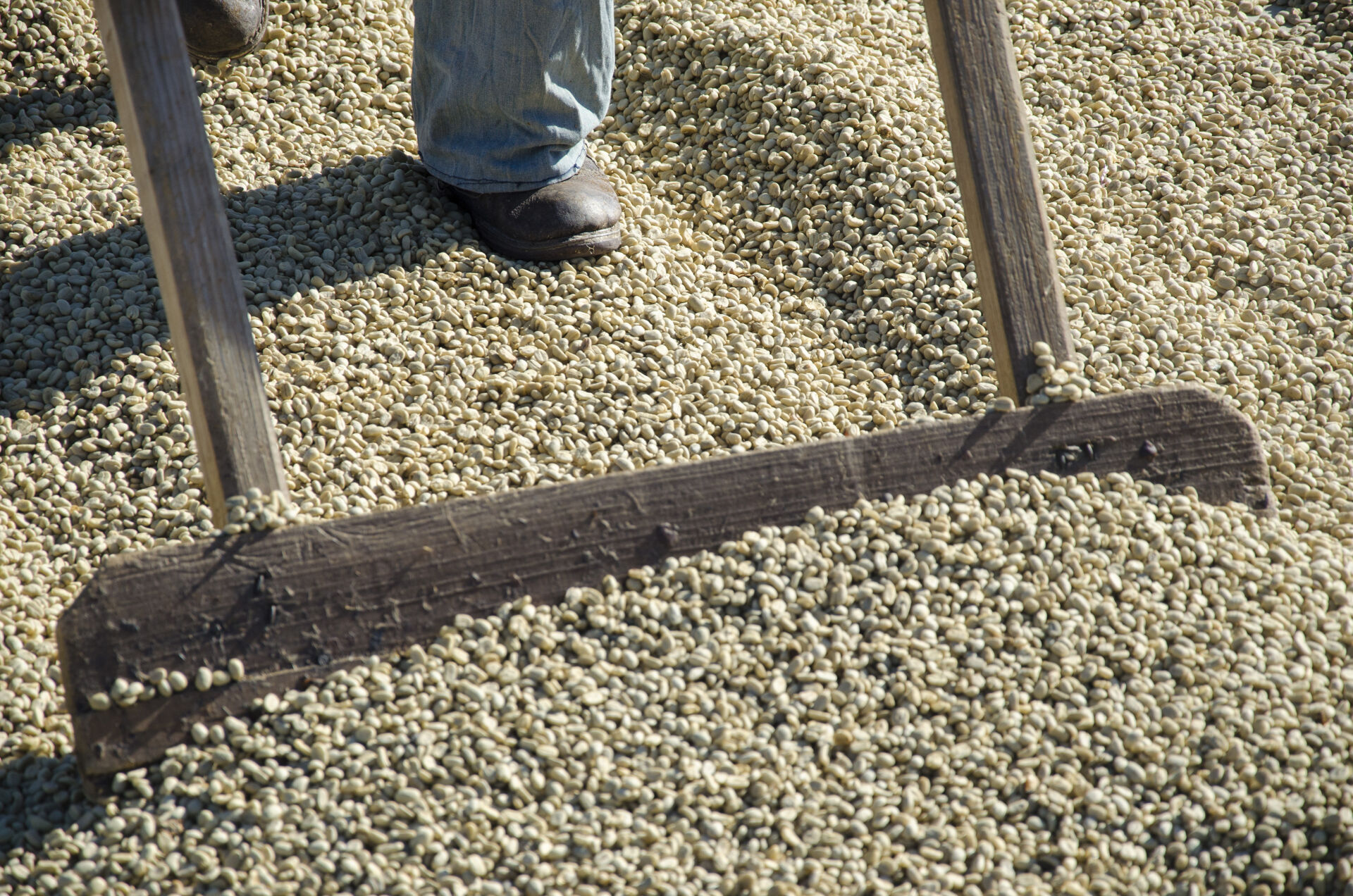
- DryingPatios
- Packaging69kg - Jute bags
- Altitude1200 - 1700 m
- Harvest periodNovember – March
- Type of harvestHand-picked
Your coffee’s journey
The impact of this coffee
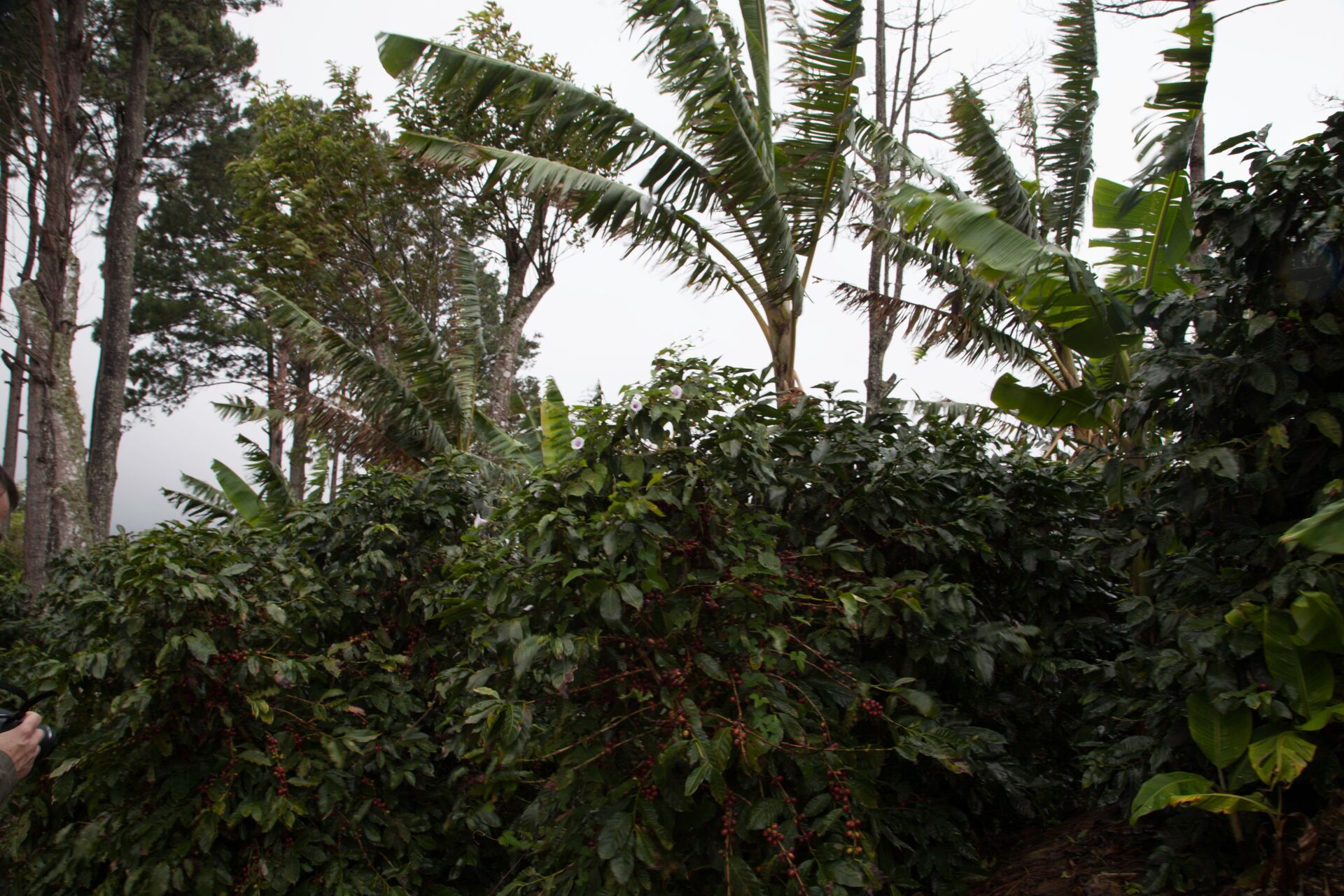
Agroforestry level
1
2
3
Complex
More than 5 species per hectare and at least 2 shade layers
Agroforestry brings trees and crops together on the same plot. Its benefits range from shade and more fertile soil to better-ripened cherries.
Quality
Aromatic notes
orangedried fruitmilk chocolatehoneygreenspices
SCA scoreMeets Belco quality standards
84.5You may also like
All green coffees →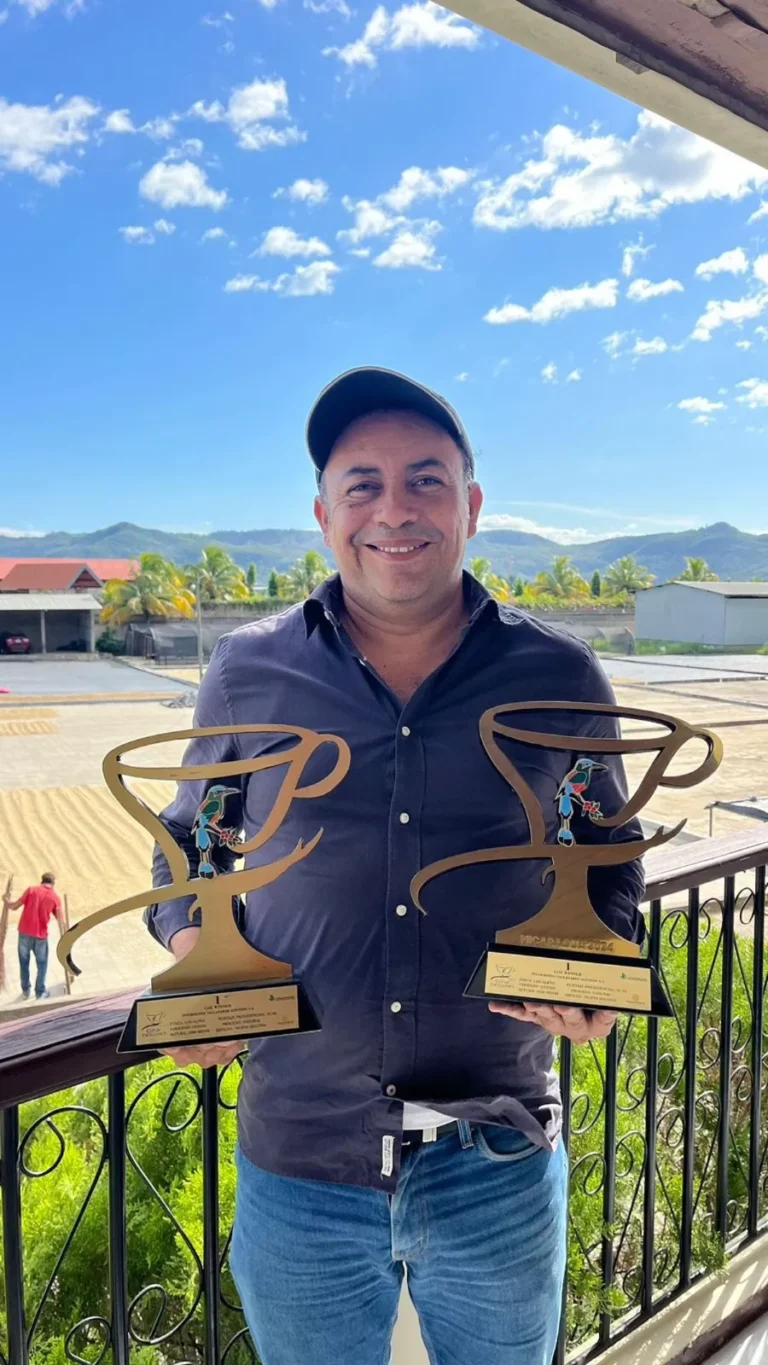
Buenos Aires
Natural
86.25
PriceGet a quote
Available to orderRequest a sampleSee details
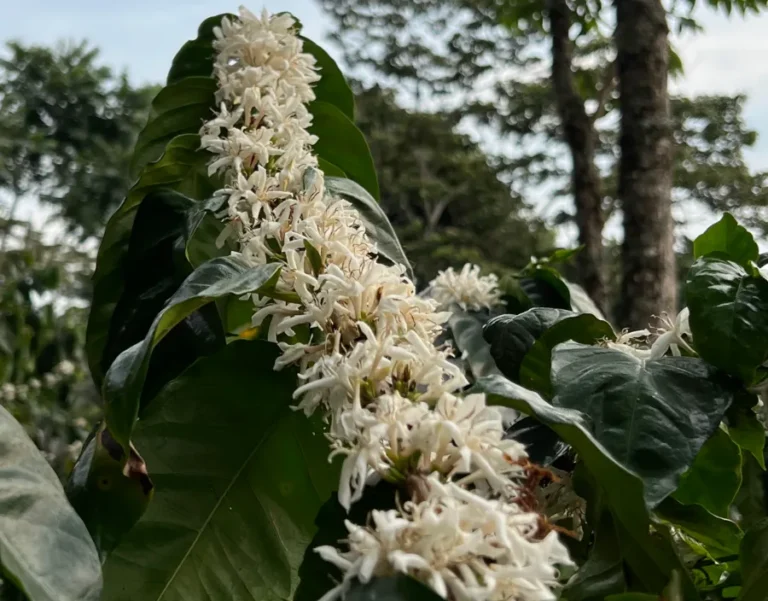
Dipilto
Maragogype Natural
86
PriceGet a quote
In stockRequest a sampleSee details
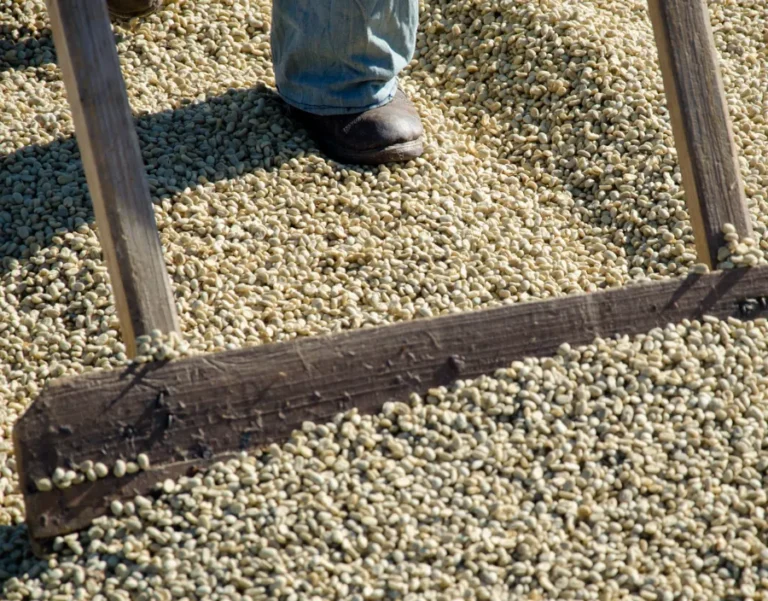
Buenos Aires
85.25
PriceGet a quote
Available to orderRequest a sampleSee details

Dipilto
Java Washed
85.25
PriceGet a quote
Available to orderRequest a sampleSee details

A premium coffee, born from a family heritage and a resolutely innovative approach
Buenos Aires
Maragogype Carbonic Fermentation
84.75
PriceGet a quote
In stockRequest a sampleSee details
Buenos Aires
Natural
84.75
PriceGet a quote
In stockRequest a sampleSee details
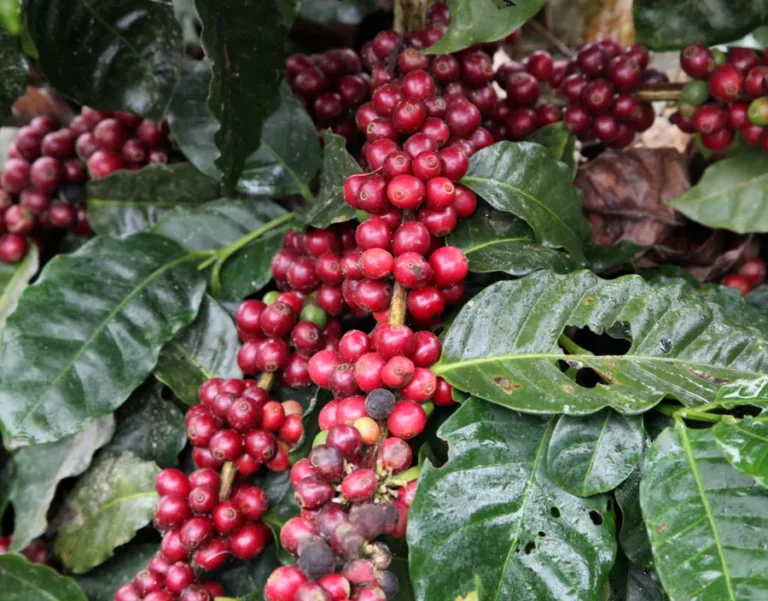
Do you know where the name Toston comes from?
Toston
Blend of varieties Honey
84.75
PriceGet a quote
Arriving soonRequest a sampleSee details
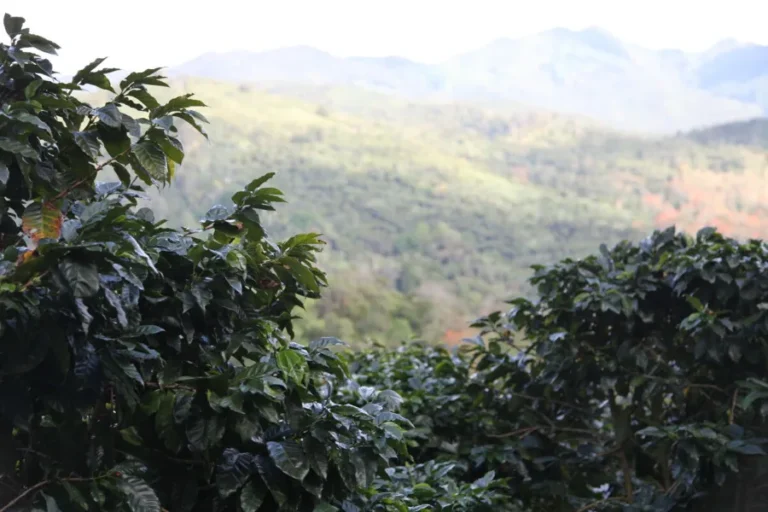
Do you know where the name Toston comes from?
El Toston
Blend of varieties Natural
84
PriceGet a quote
In stockRequest a sampleSee details
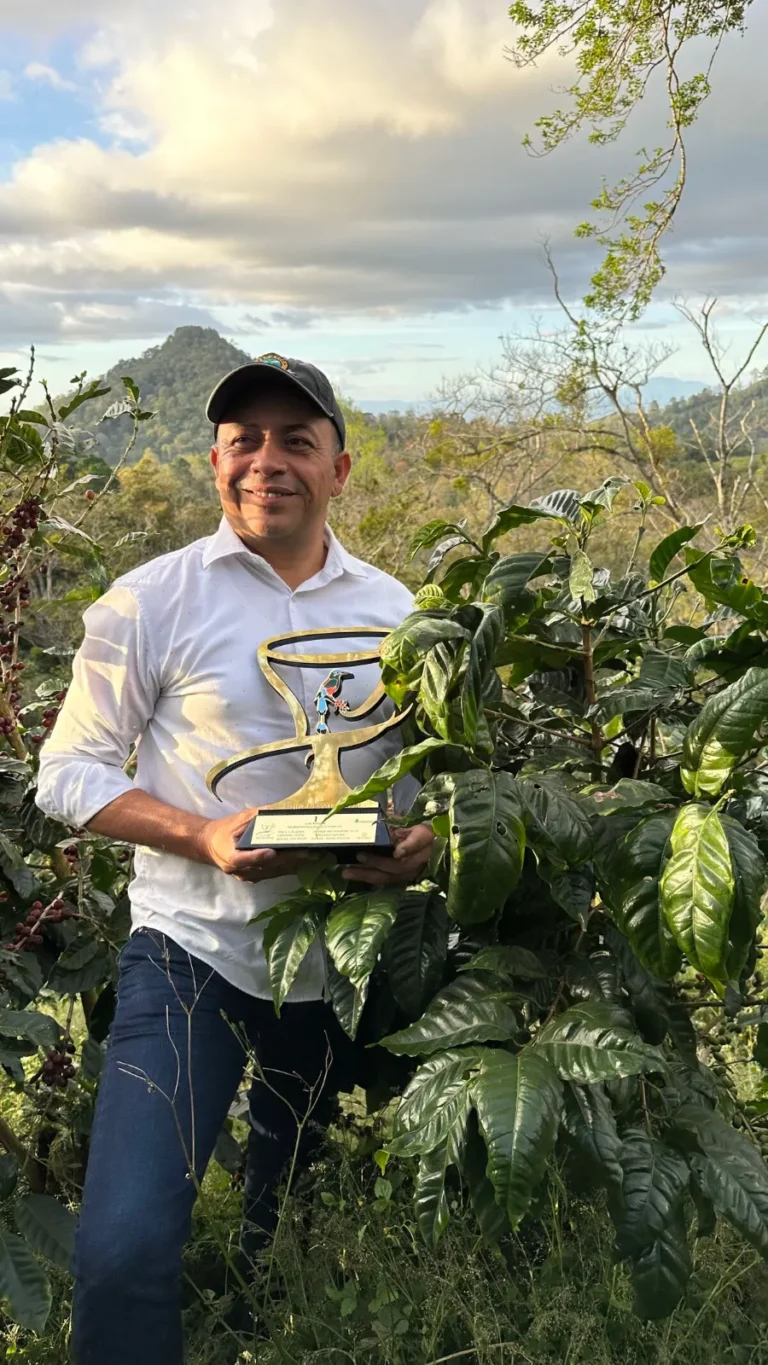
Did you know that...
Buenos Aires
Red caturra Washed
84
PriceGet a quote
In stockRequest a sampleSee details
Buenos Aires
Maracaturra Natural
84
PriceGet a quote
In stockRequest a sampleSee details