By origin
All origins → Ethiopia
 Guatemala
 Kenya
 Rwanda
 Indonesia
 Honduras
 Mexico
 Nicaragua
By process
By SCA score
Impact & projects
- Women producers
- Impact score 8+
- Shipped by sail (FCCO)
- Forest coffee
- Agroforestry: forest level
- Certified organic
- High Nature Value
Availability
SCA-scored specialty lots from 24 origins, selected by Belco France.
See all coffeesRequest a sampleBy origin
Selections
Cacao lots
 Cooperativa Barra Ciega
- Cooperativa Cacahuatl
- Finca Chiquihuat
- Finca La Catarina
- Finca Los Angeles
- Finca Parras Lempa
- Hacienda Comalapa
 Hacienda Dos Lagunas
- Hacienda La Carrera
 Jorge Takahashi
 Opita
Fermentation rates of our fine-flavour cacao lots — including three Cacao of Excellence winners.
See all cacaoRequest a sample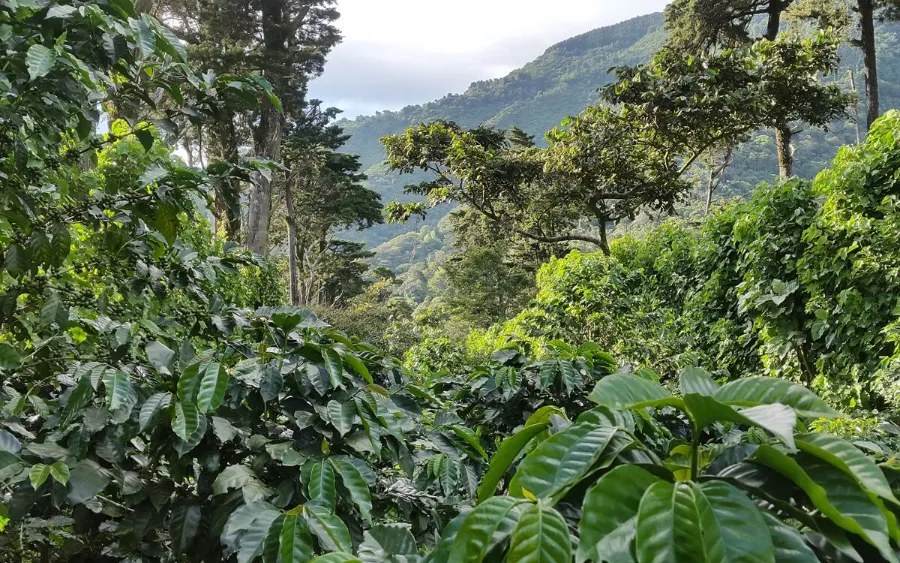
Los Naranjos blend
El Salvador - Sonsonate - Los Naranjos - Natural
In stock, ready to order (69kg)
History and traceability
Identity card
- OriginEl Salvador
- RegionSonsonate
- SpeciesArabica
- ProcessNatural
- DryingDrying beds
- Packaging69kg - Jute bags
- Altitude1450 - 1750 m
- Harvest periodDecember – March
- Type of harvestHand-picked
The impact of this coffee
Agroforestry level
1
2
3
Complex
More than 5 species per hectare and at least 2 shade layers
Agroforestry brings trees and crops together on the same plot. Its benefits range from shade and more fertile soil to better-ripened cherries.
Quality
Aromatic notes
You may also like
All green coffees →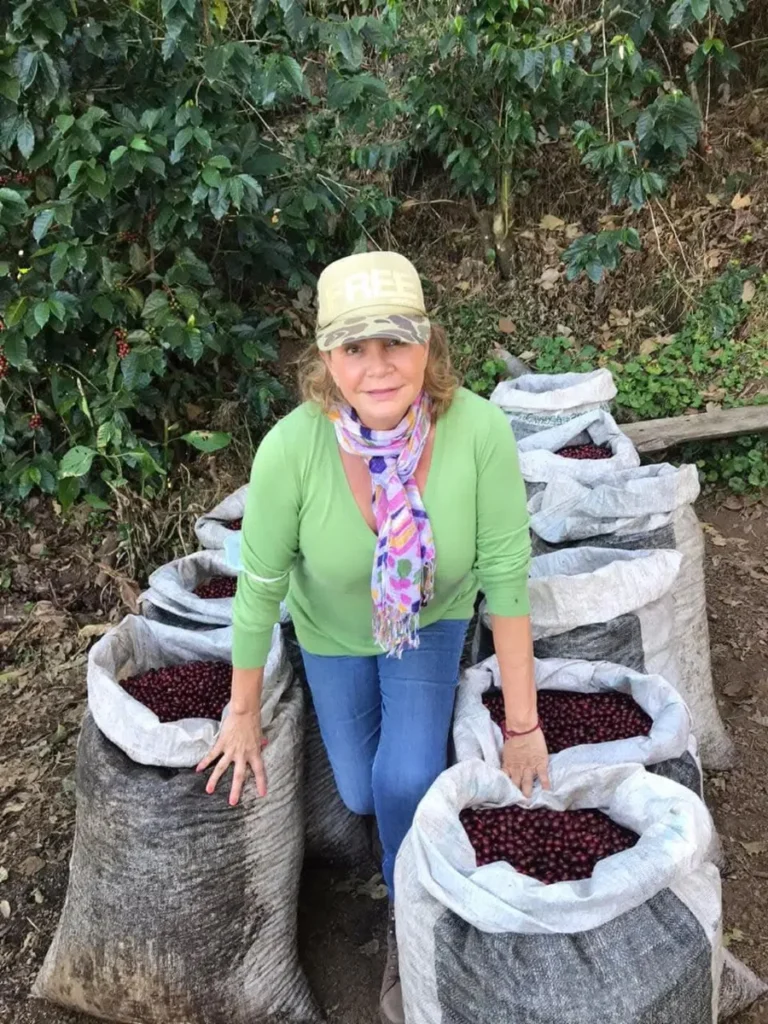
From a UNESCO-protected area with shade forests and biological corridors
Finca San José
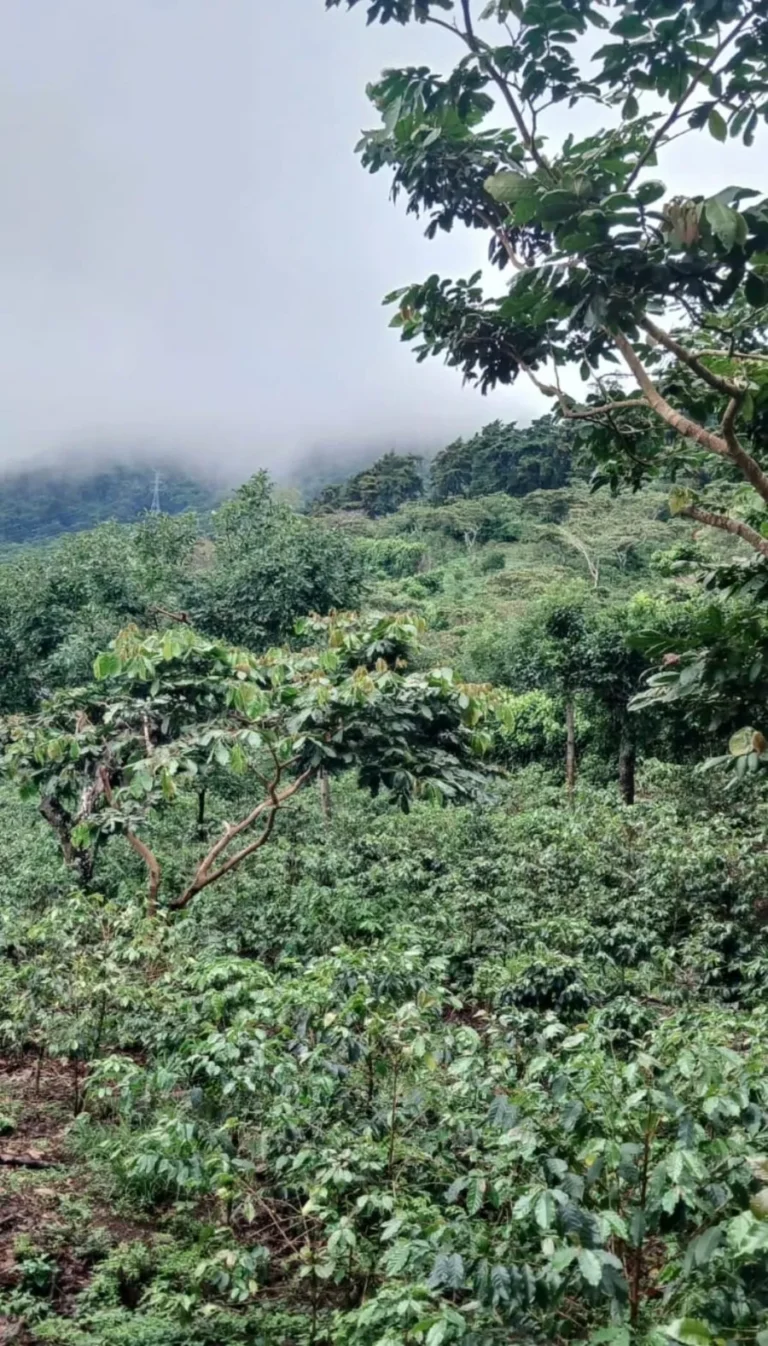
"With Mauricio, you know what you're going to get: fruit, technique, and passion. And yet, every year he still surprises you."
Finca Himalaya
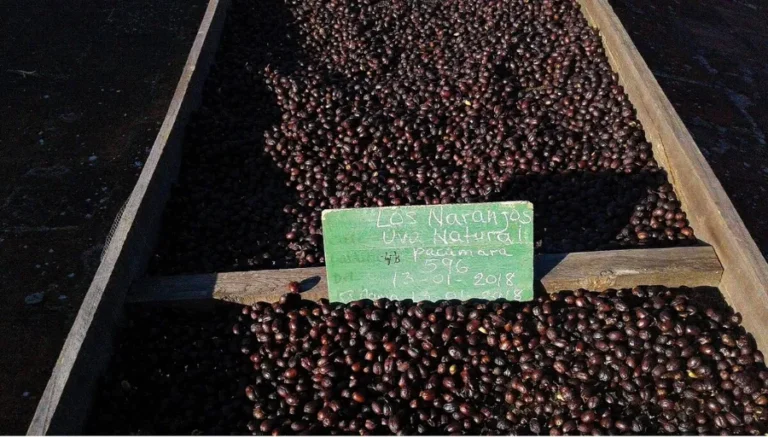
How is this coffee processed?
Los Naranjos
How is this coffee processed?
Los Naranjos

"Fernando is the kind of producer who earns recognition because he genuinely deserves it — professional, precise, and always experimenting with purpose."
El Cerro

Los Naranjos - Noruega
L`Entranger

Finca Himalaya
How is this coffee processed?
Los Naranjos

"Fernando is the kind of producer who earns recognition because he genuinely deserves it — professional, precise, and always experimenting with purpose."