By origin
All origins → Ethiopia
 Guatemala
 Kenya
 Rwanda
 Indonesia
 Honduras
 Mexico
 Nicaragua
By process
By SCA score
Impact & projects
- Women producers
- Impact score 8+
- Shipped by sail (FCCO)
- Forest coffee
- Agroforestry: forest level
- Certified organic
- High Nature Value
Availability
SCA-scored specialty lots from 24 origins, selected by Belco France.
See all coffeesRequest a sampleBy origin
Selections
Cacao lots
 Cooperativa Barra Ciega
- Cooperativa Cacahuatl
- Finca Chiquihuat
- Finca La Catarina
- Finca Los Angeles
- Finca Parras Lempa
- Hacienda Comalapa
 Hacienda Dos Lagunas
- Hacienda La Carrera
 Jorge Takahashi
 Opita
Fermentation rates of our fine-flavour cacao lots — including three Cacao of Excellence winners.
See all cacaoRequest a sample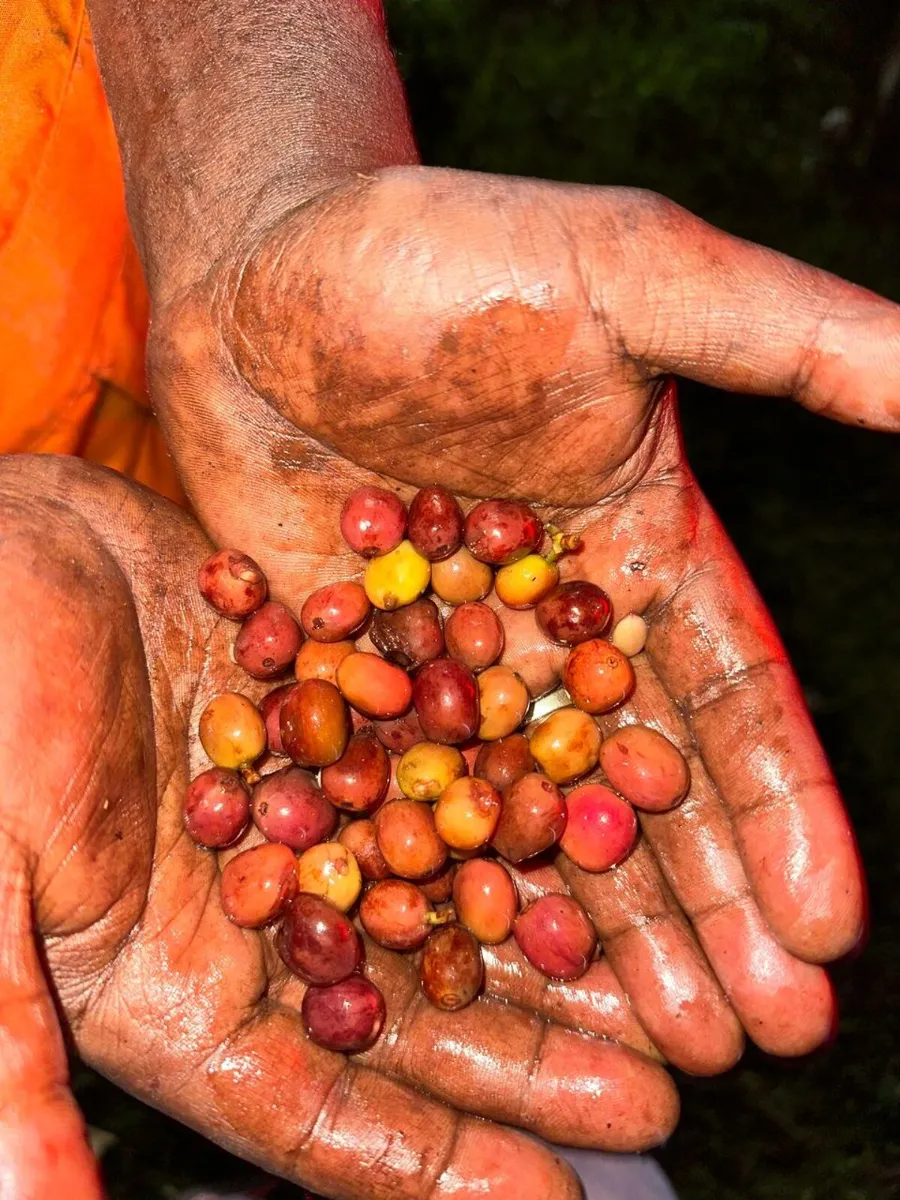
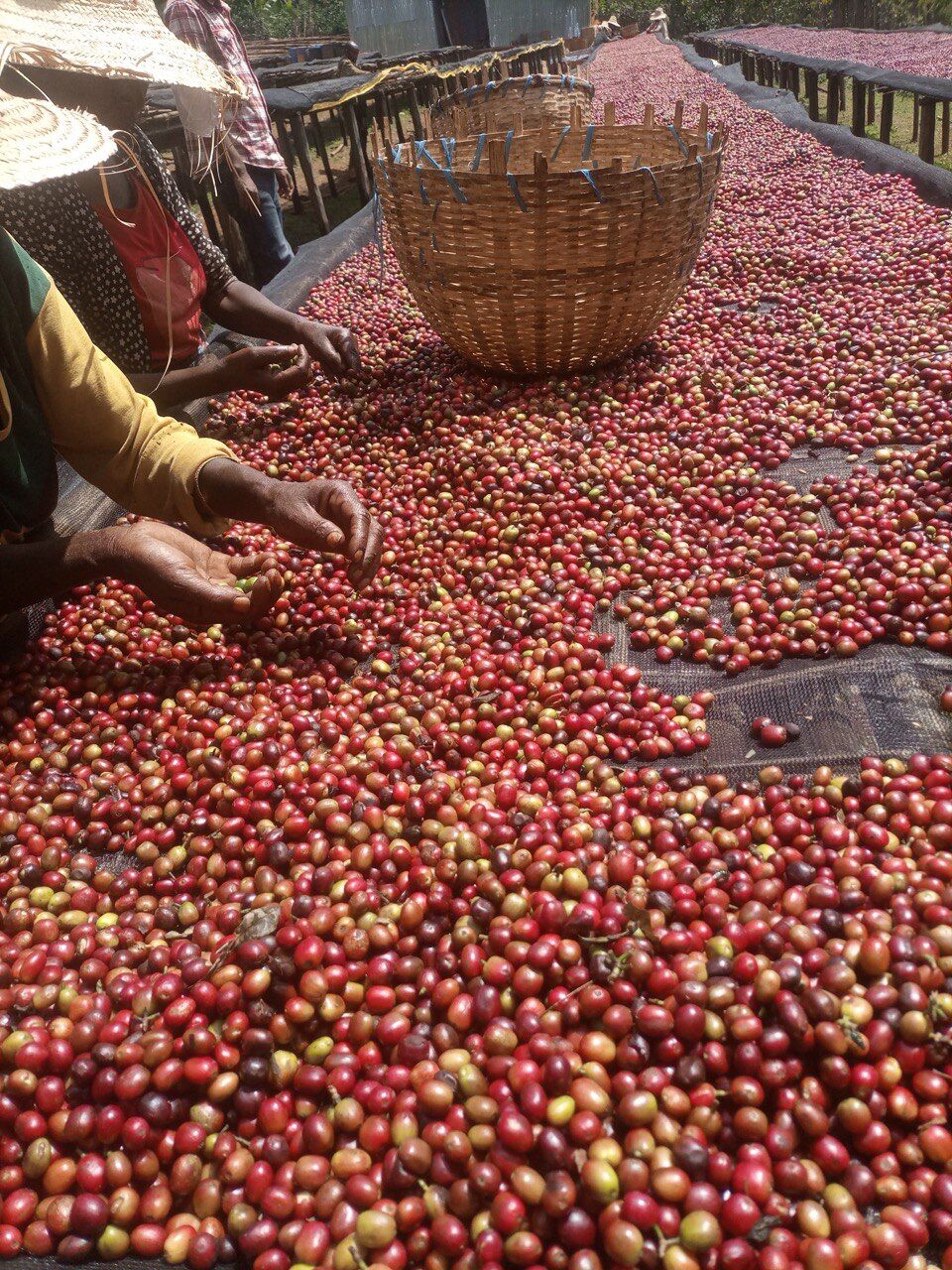
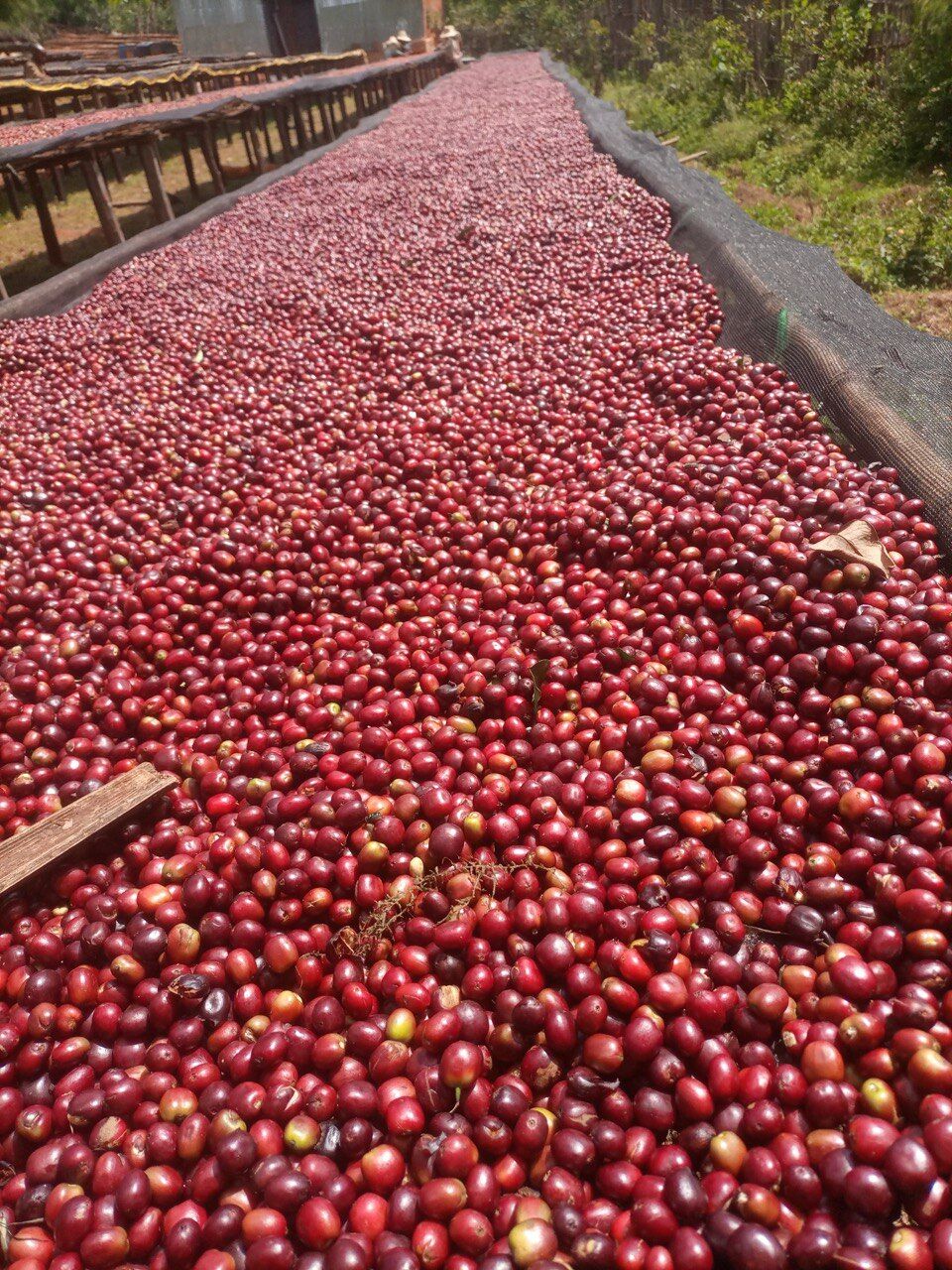
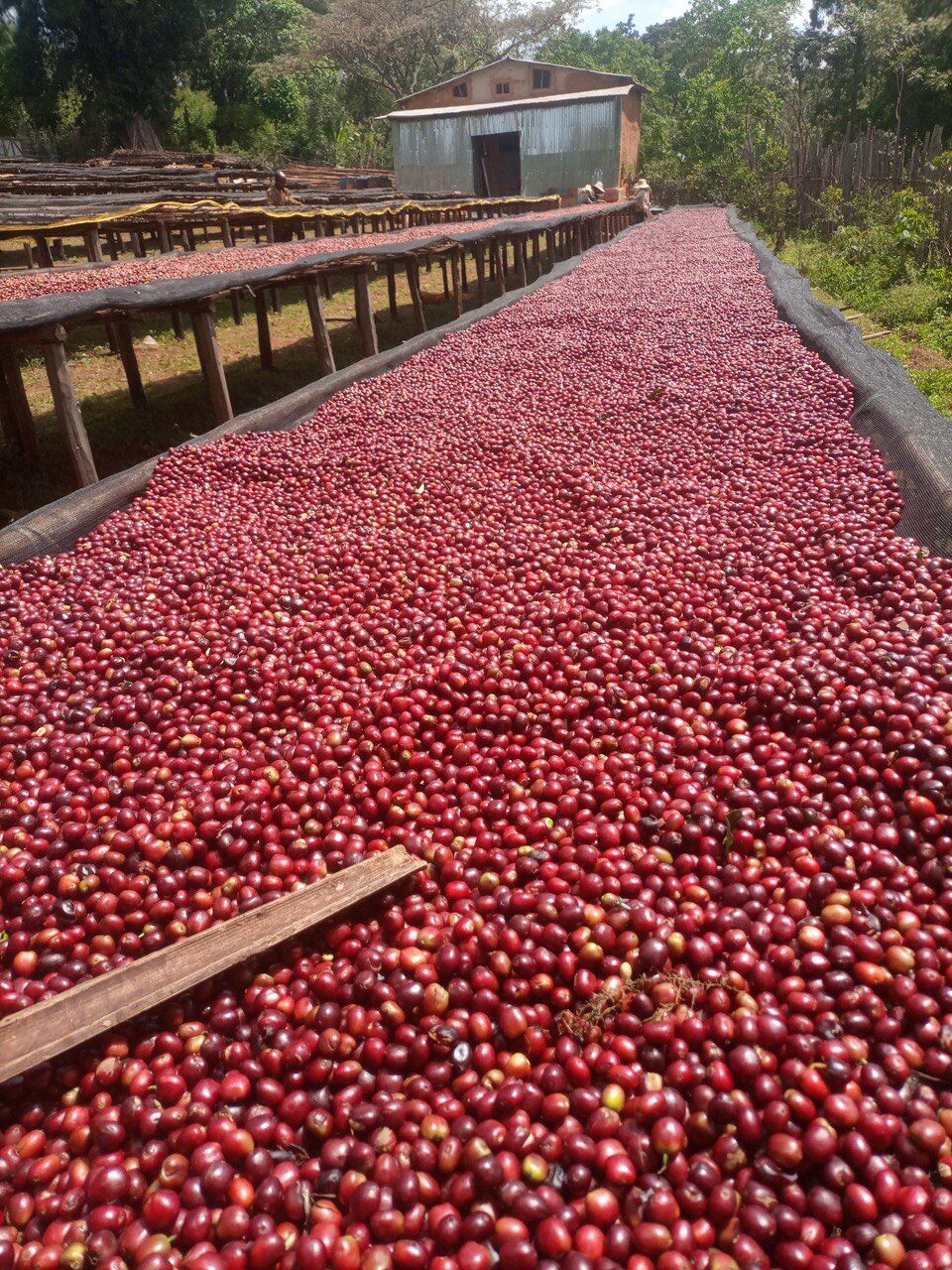
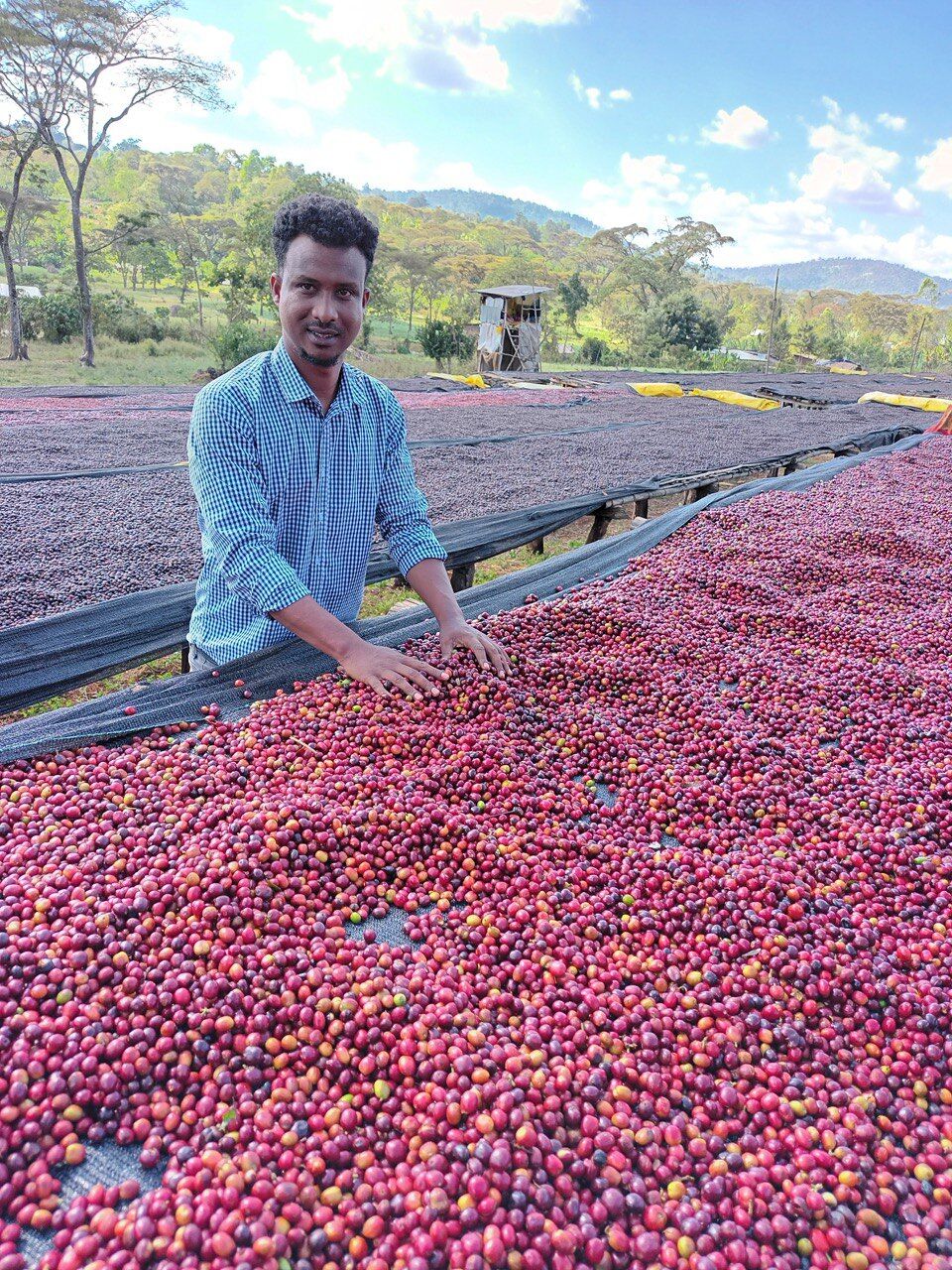
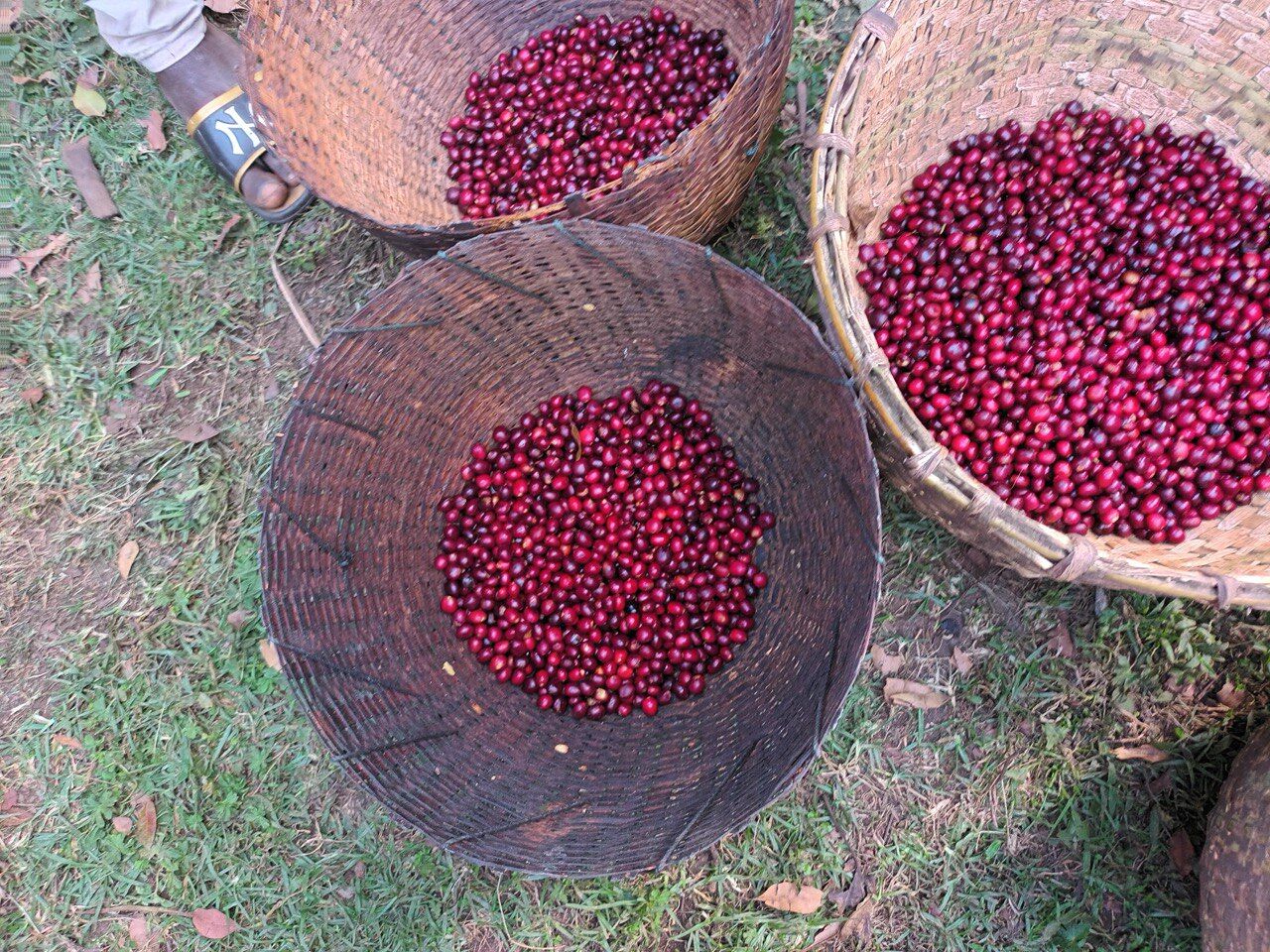
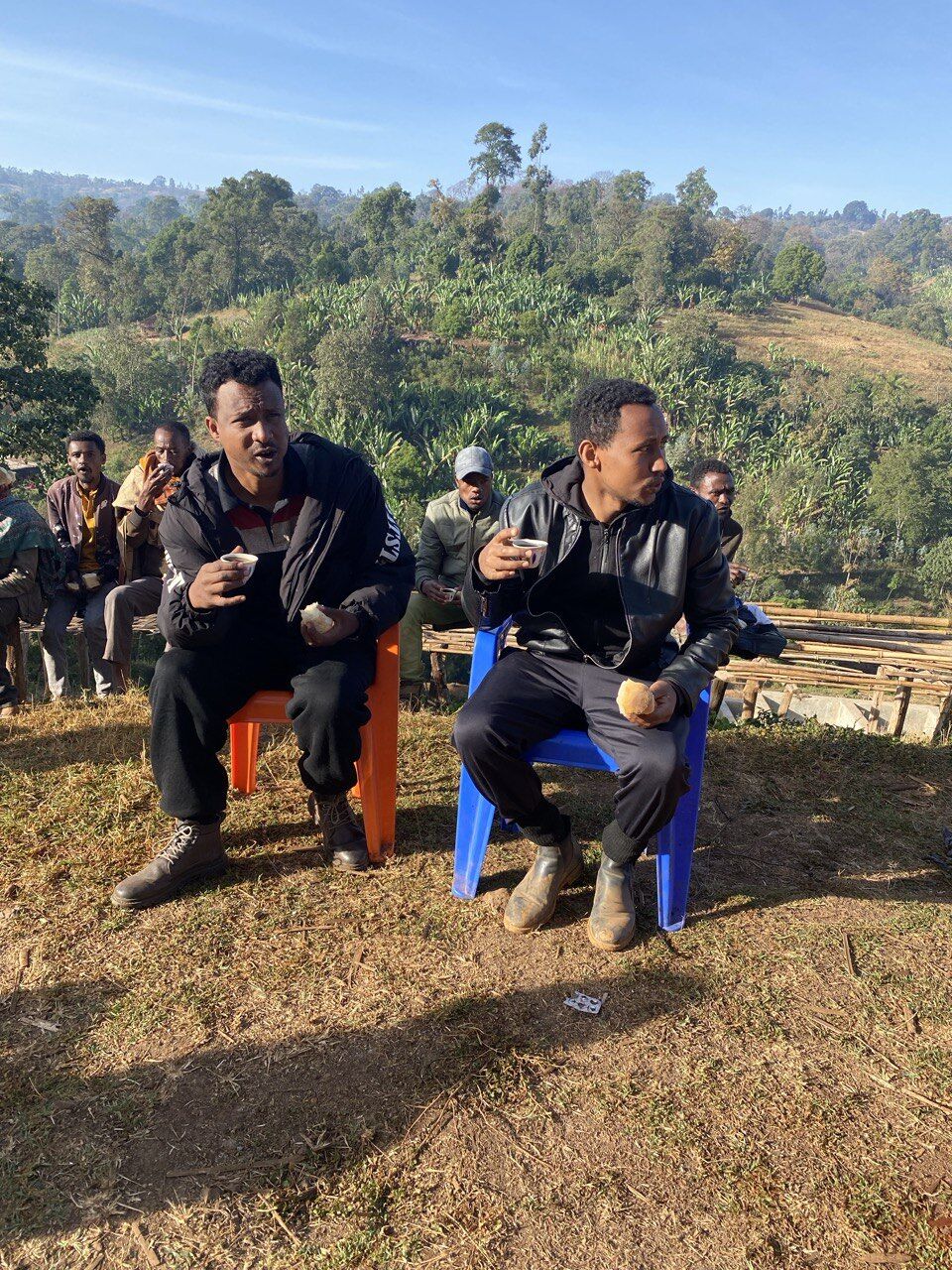
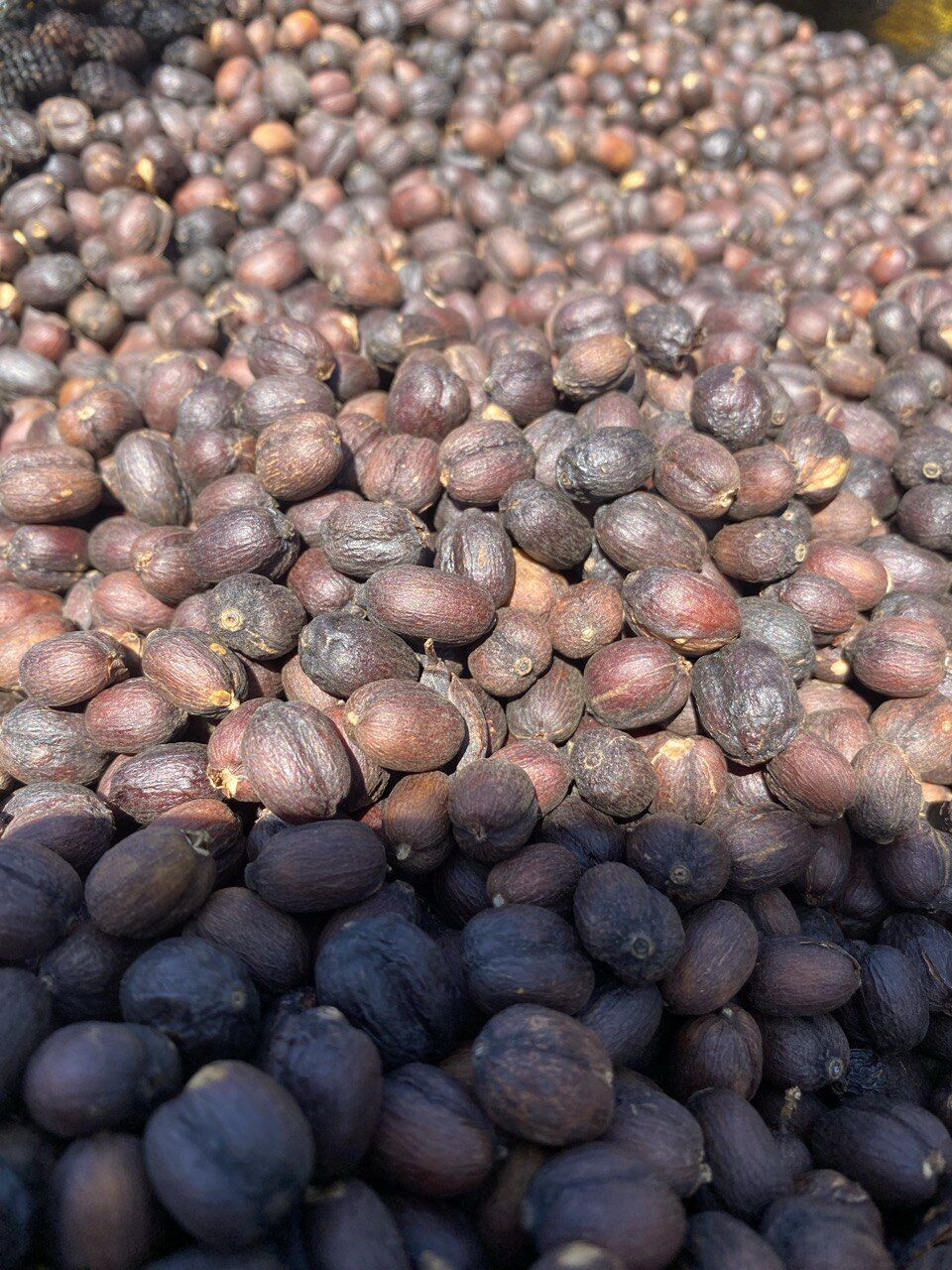
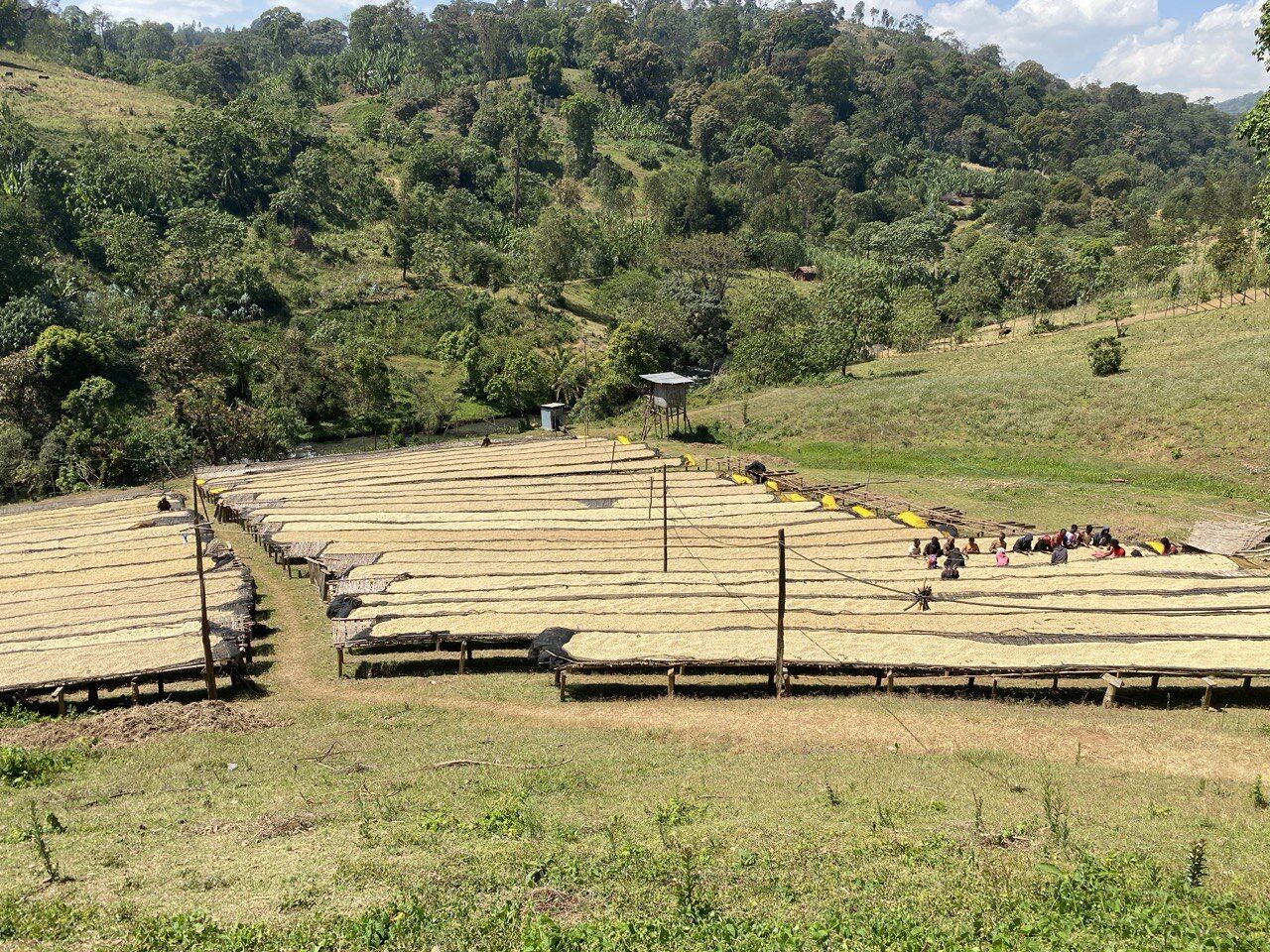
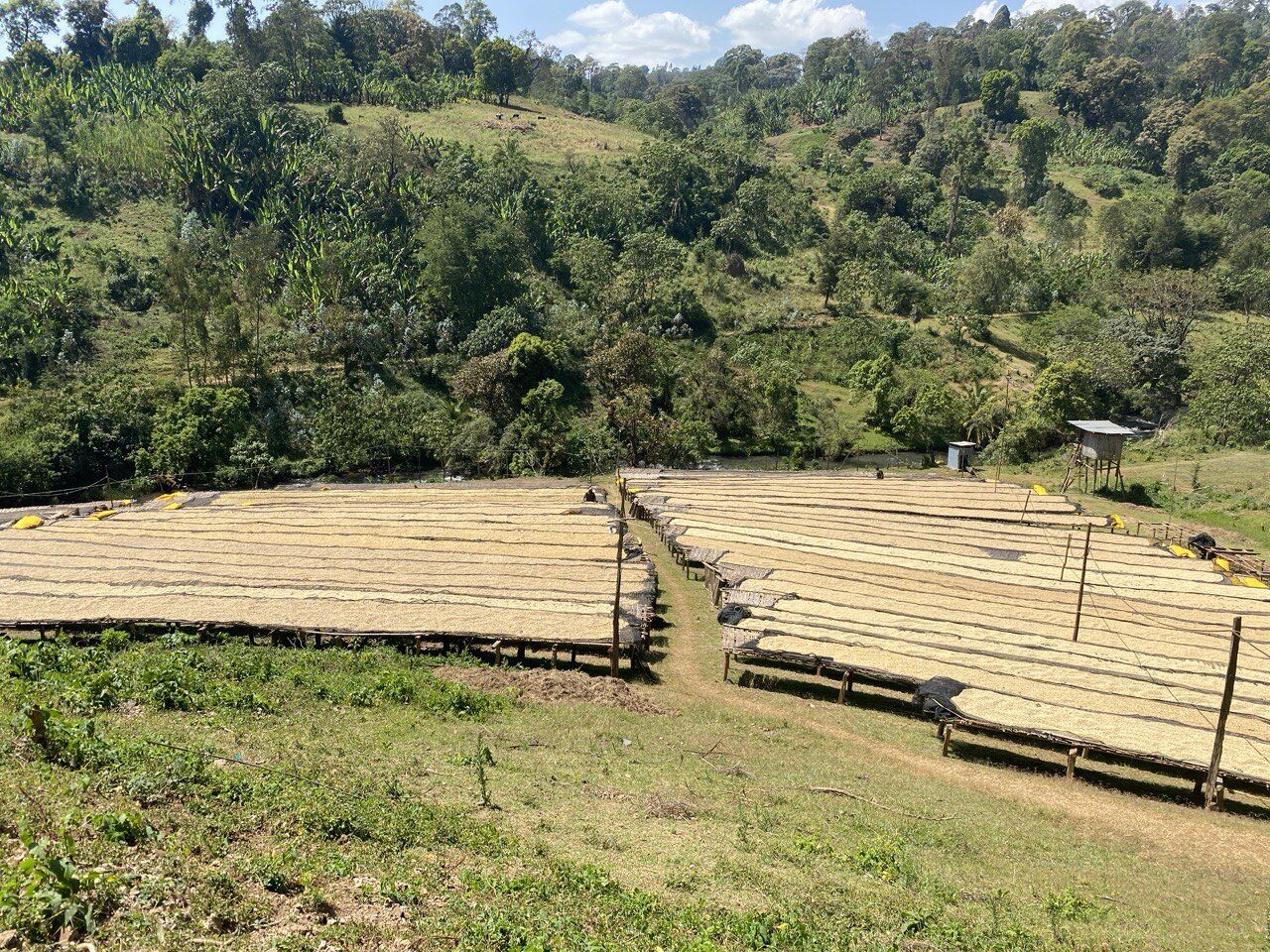
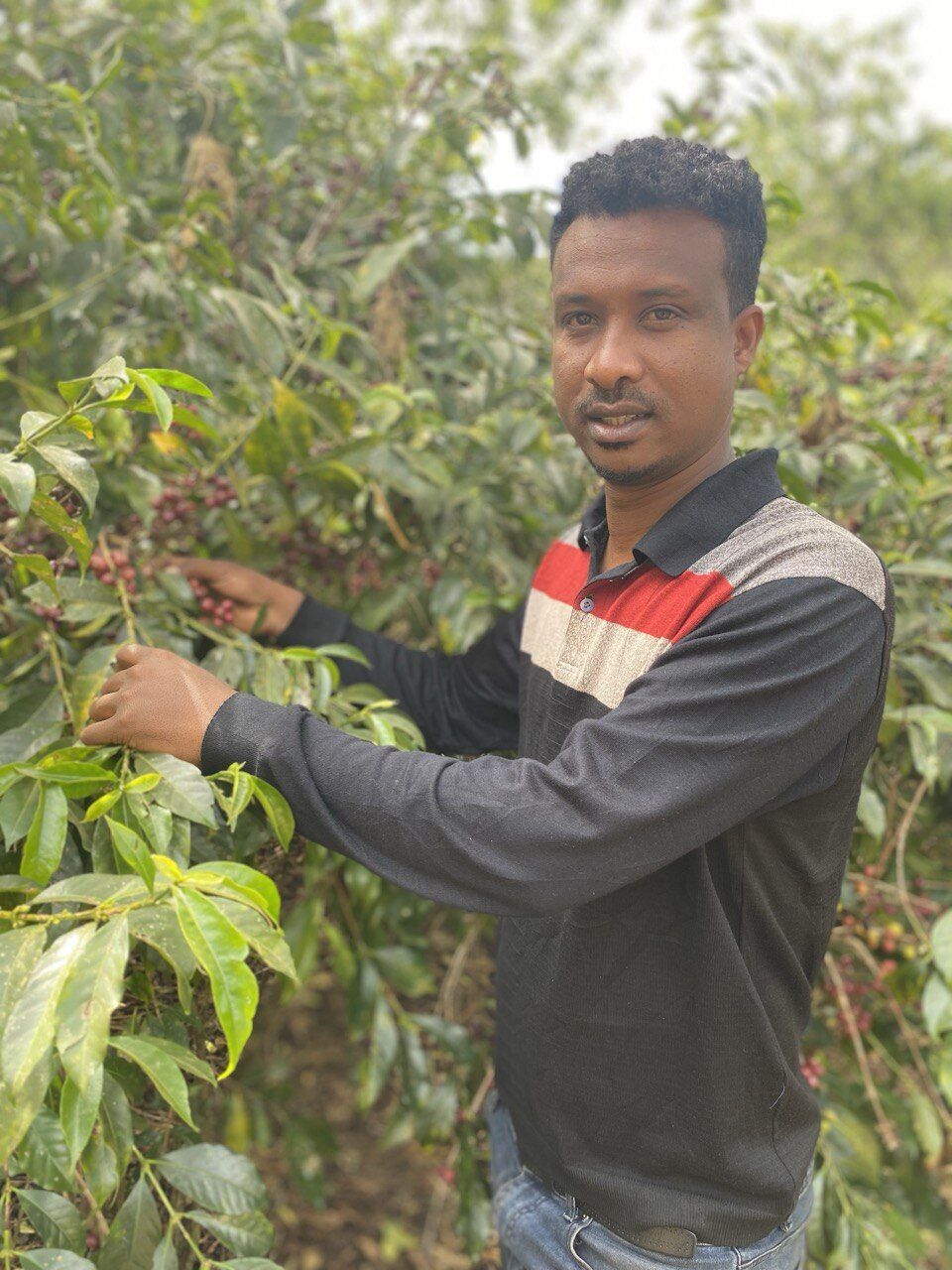
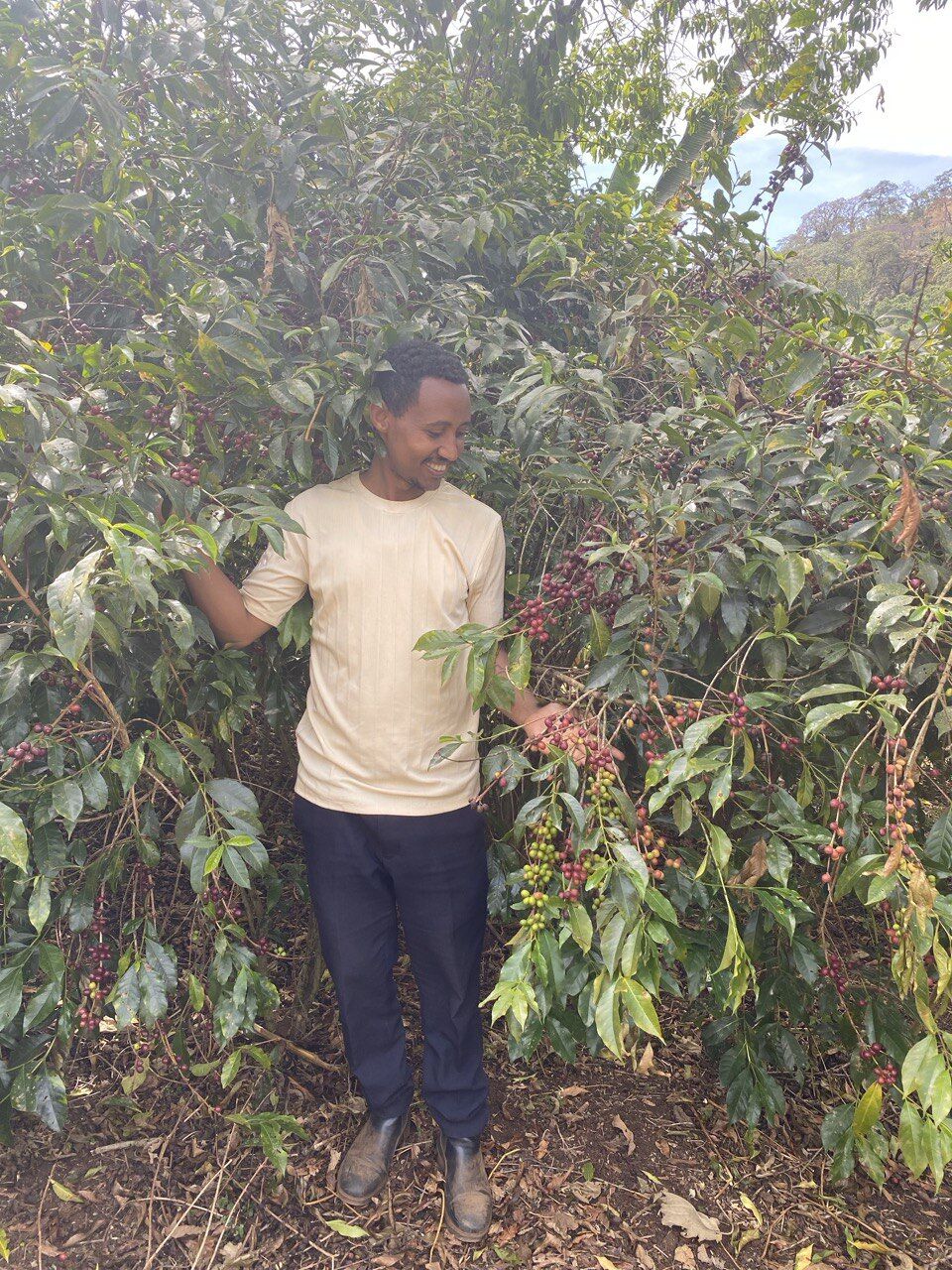
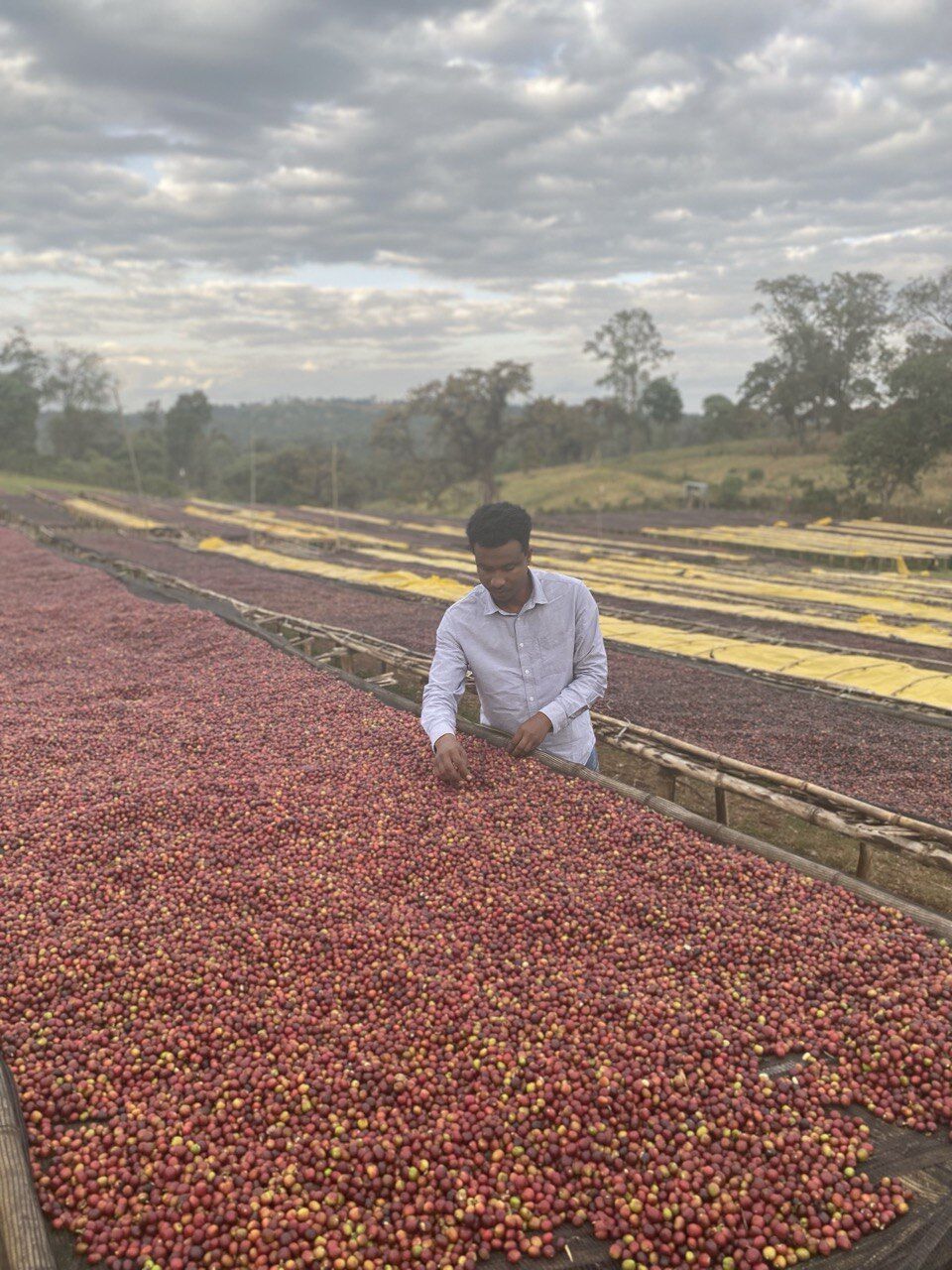
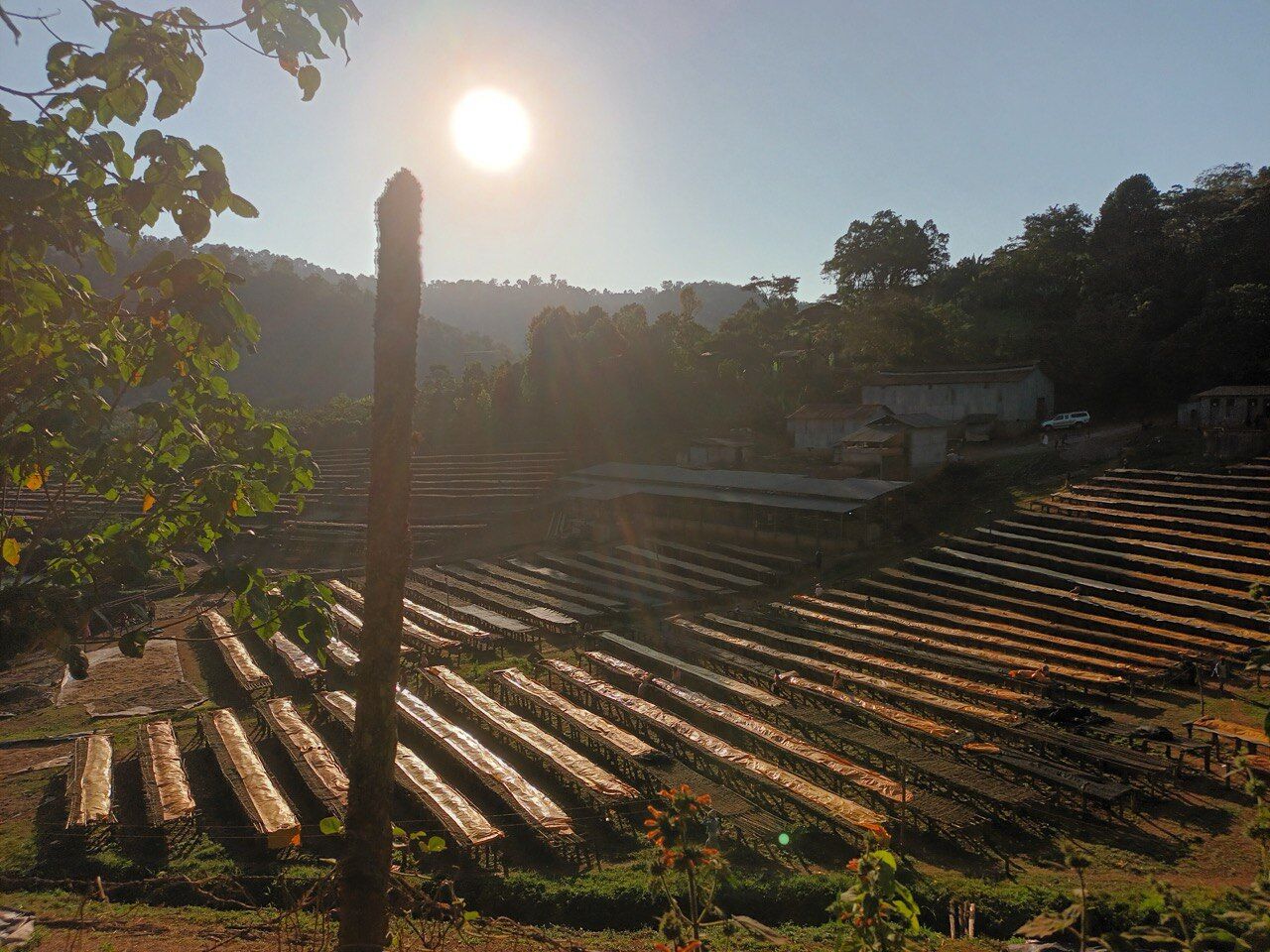
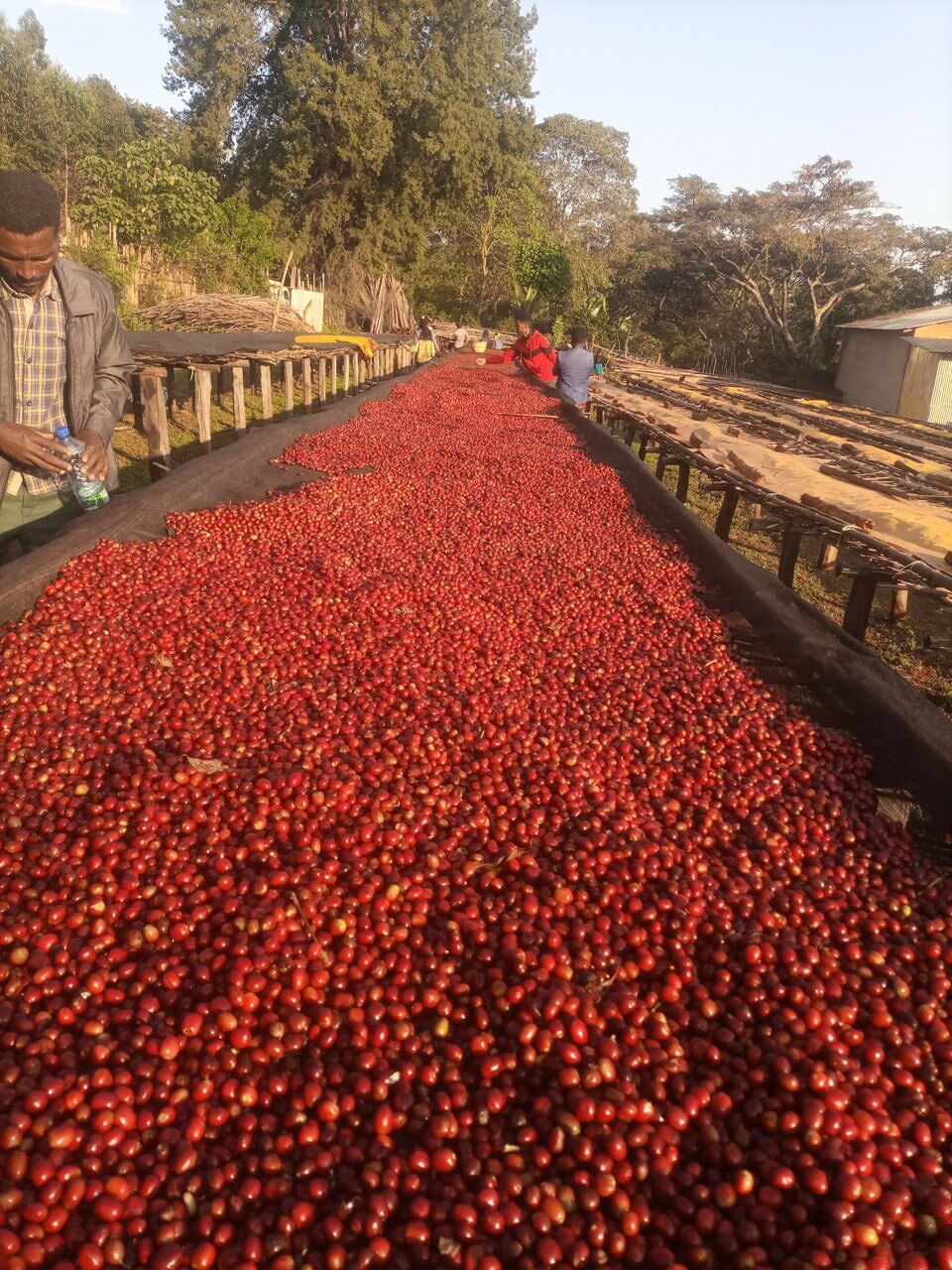
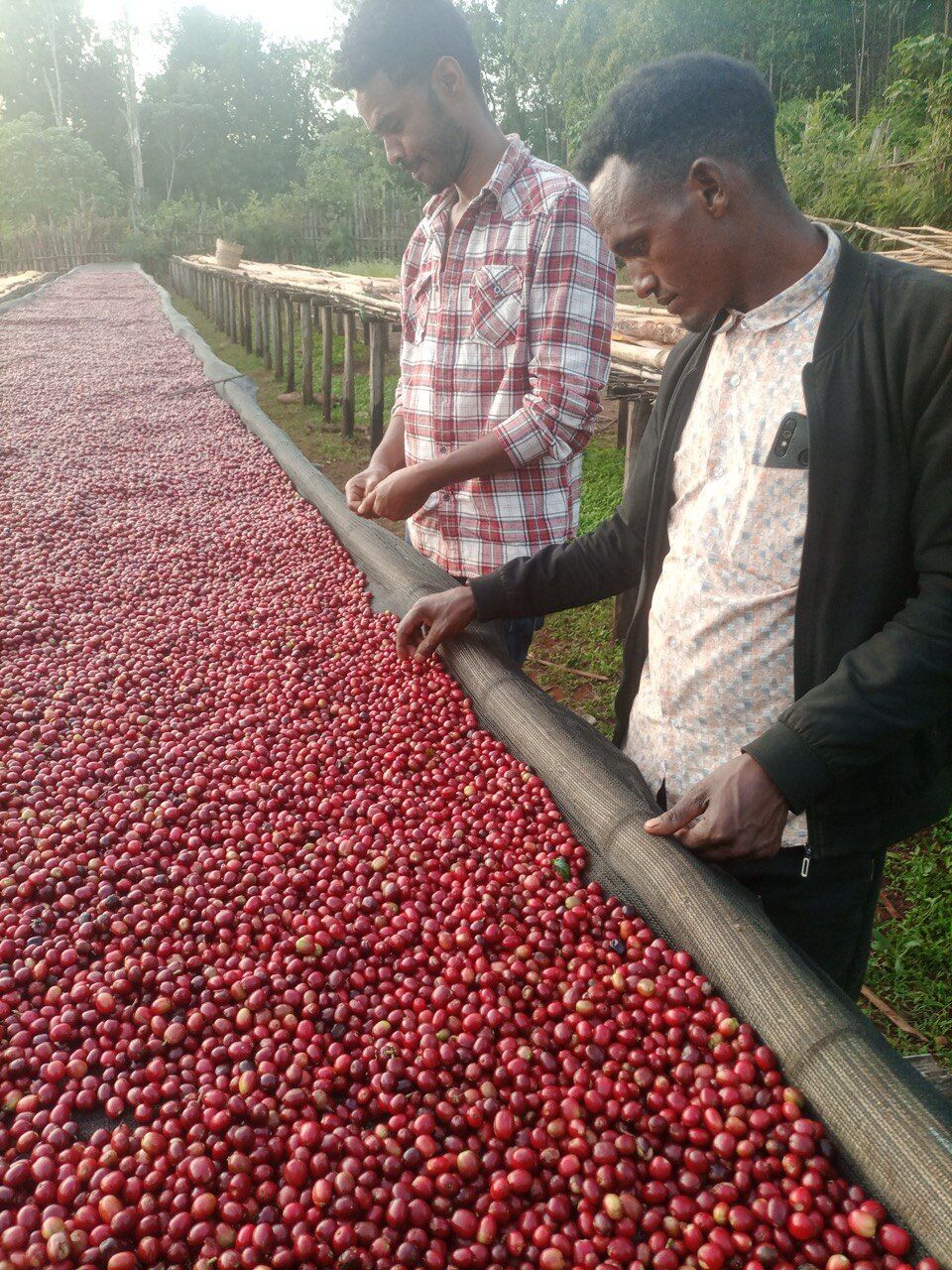
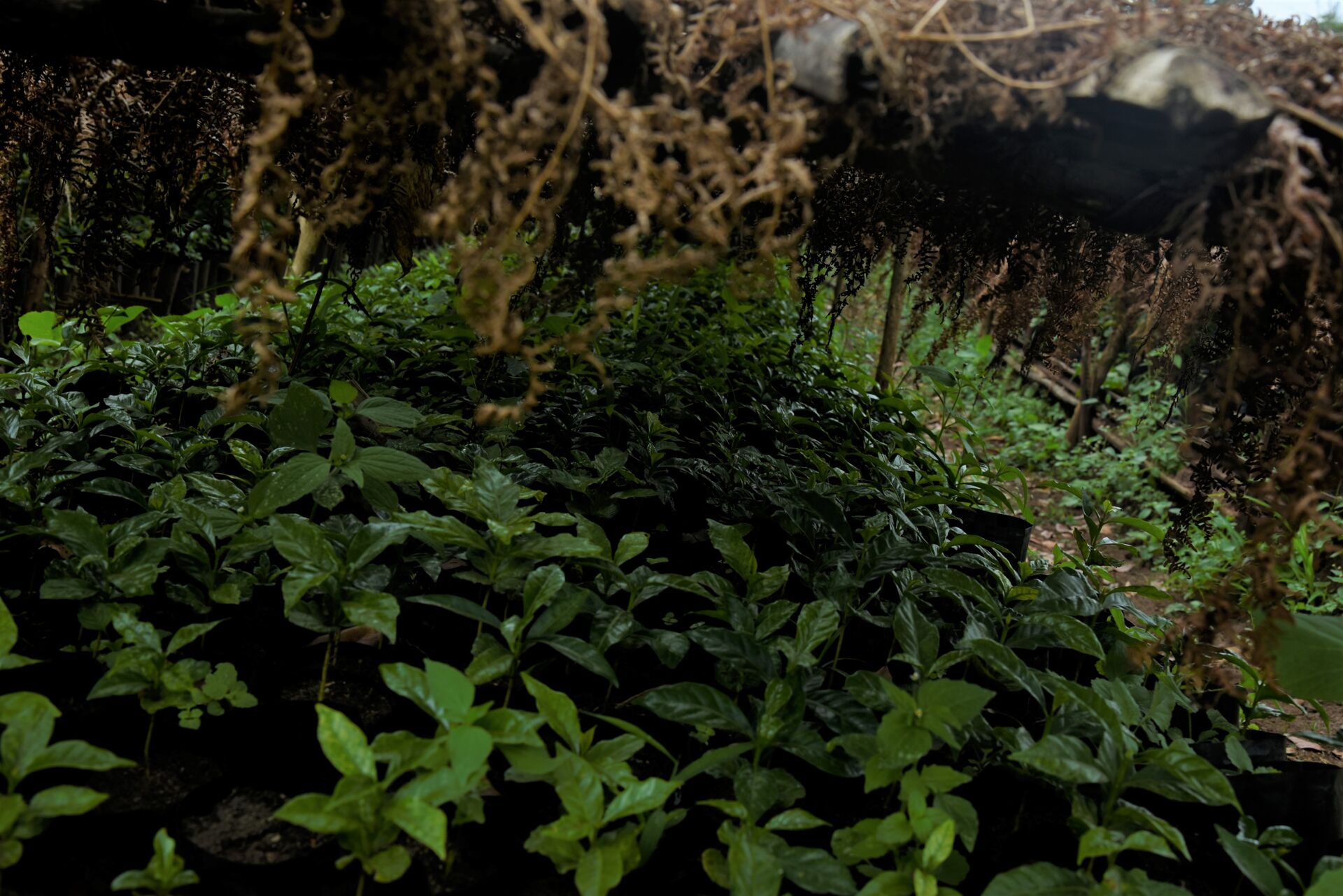
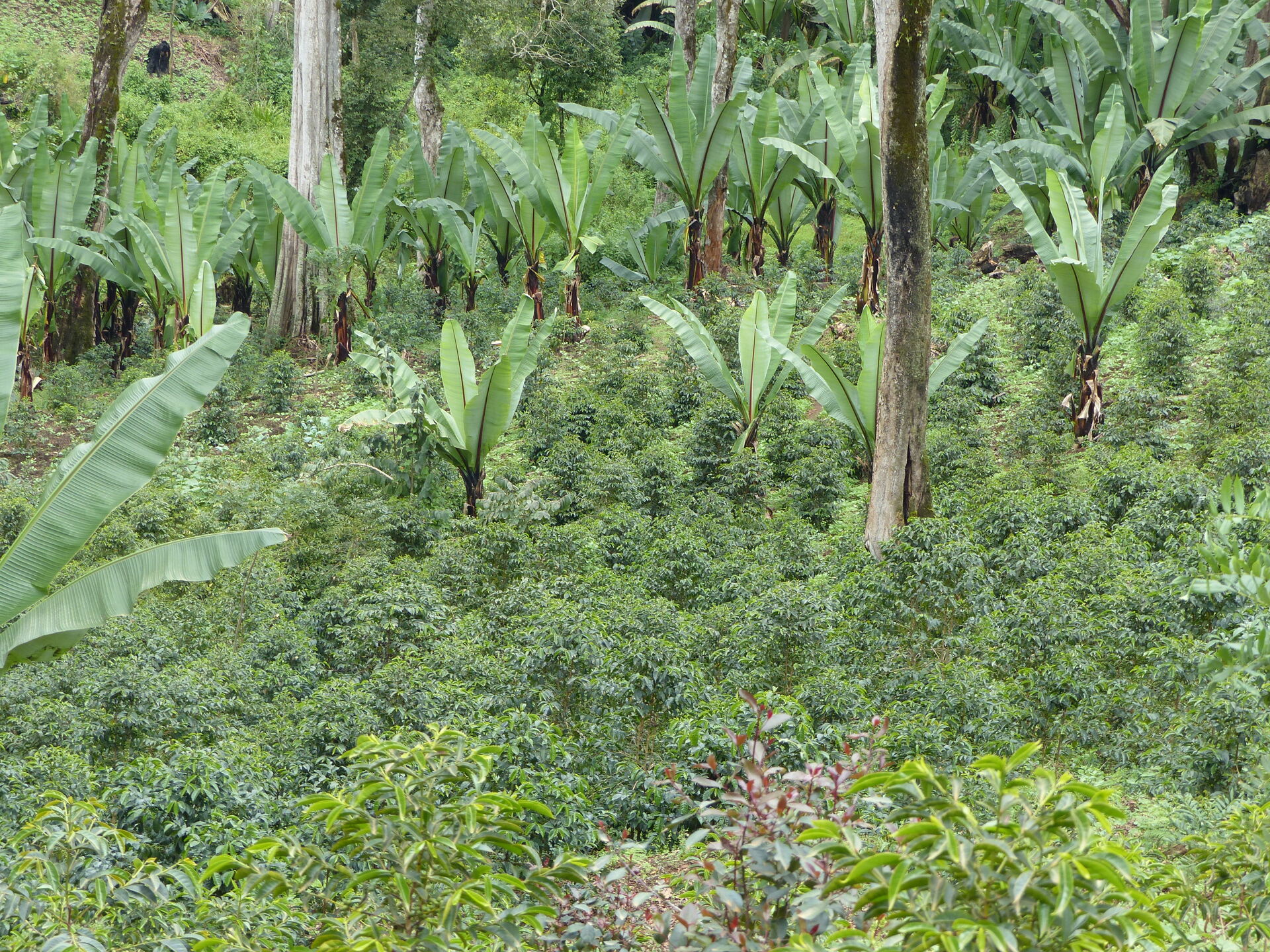
Tabe anaerobic
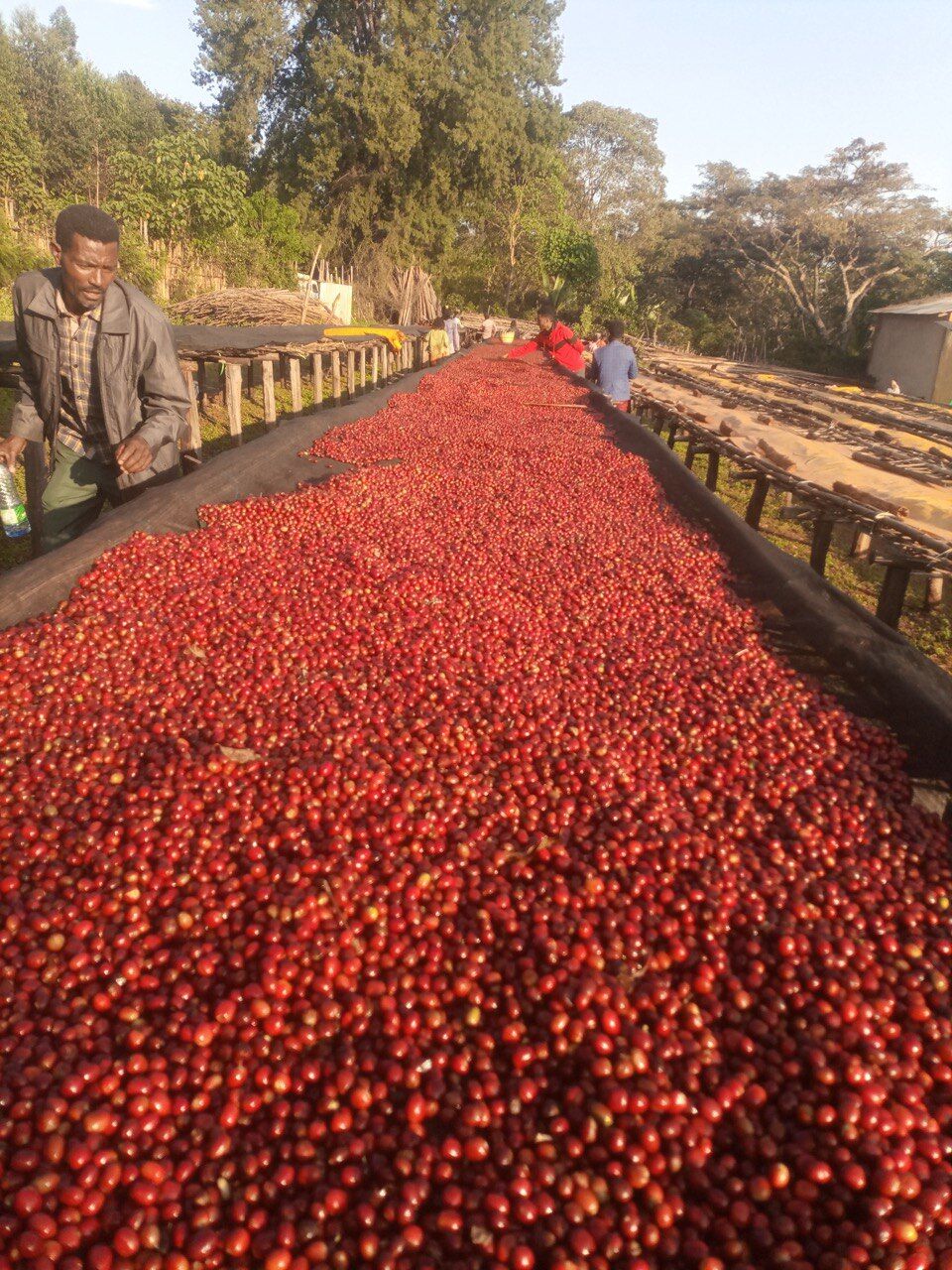
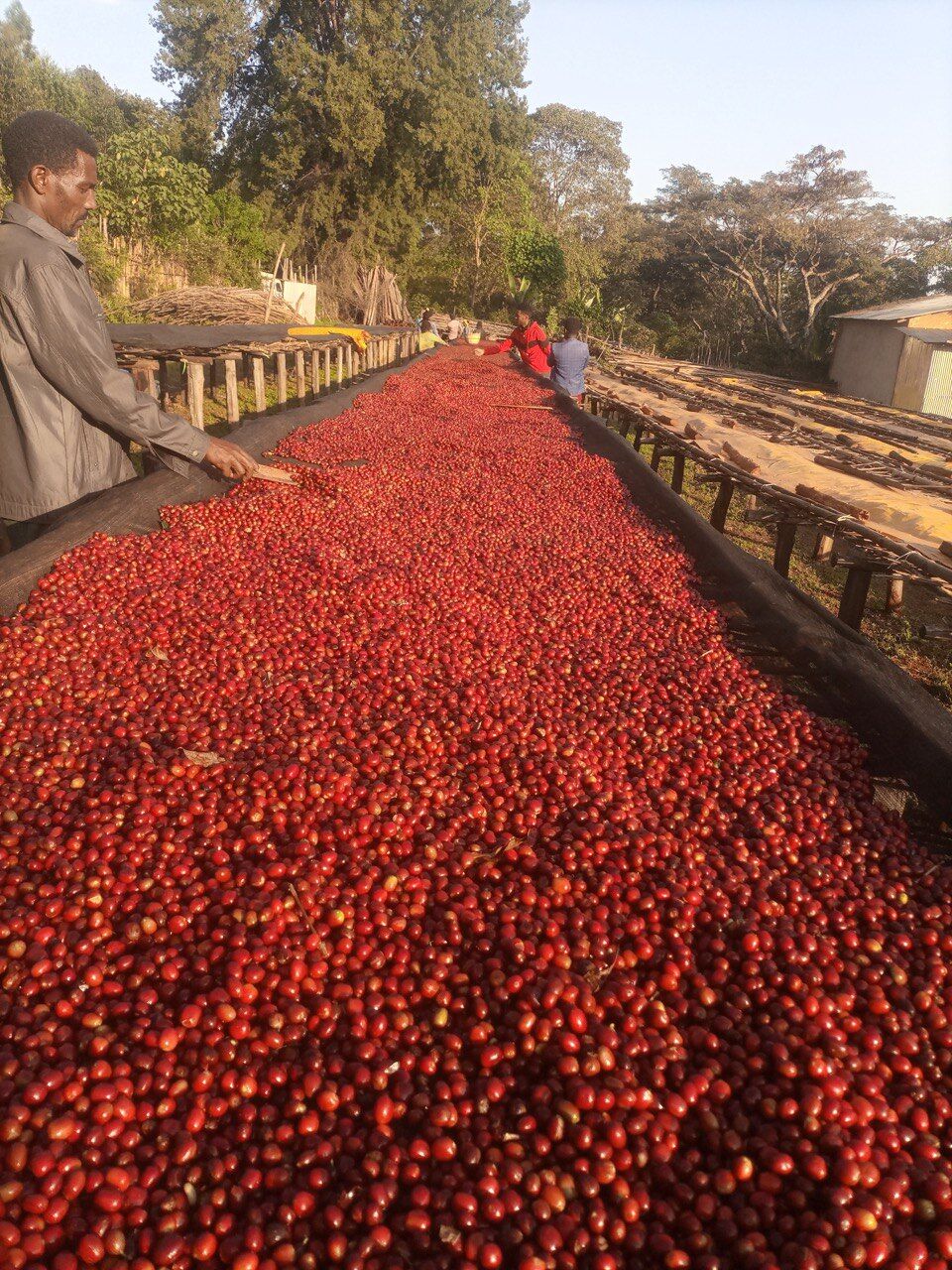
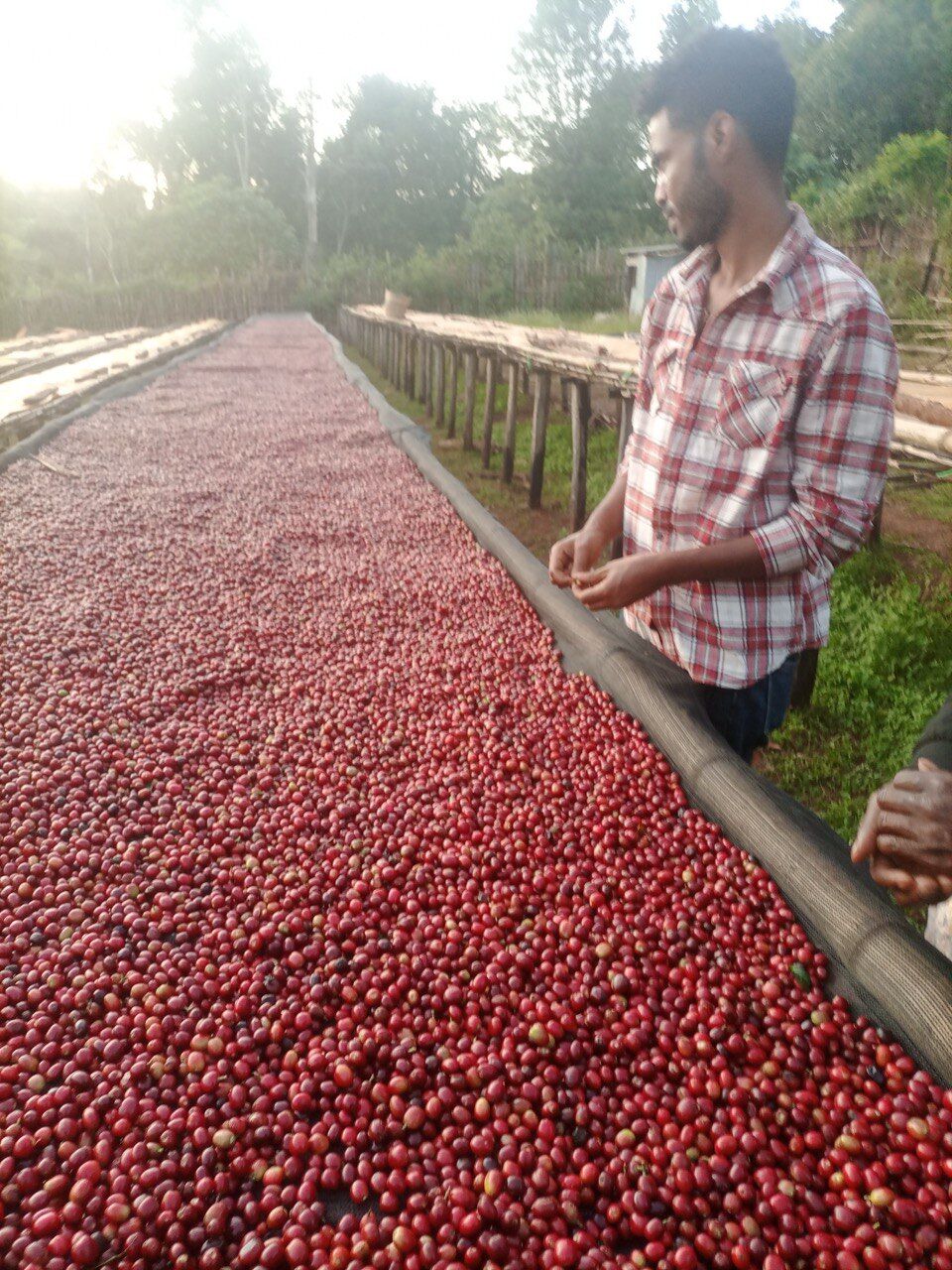
Ethiopia - Guji - Uraga - Tabe Burka - G1 - Natural Anaerobic
Available on sample request (60kg)
History and traceability
Identity card
- OriginEthiopia
- RegionGuji
- TerroirUraga
- SpeciesArabica
- Varieties74110, 74112, Kurume, Heirloom
- ProcessNatural Anaerobic
- DryingDrying beds
- Packaging60kg - Jute bags
- Altitude2330 m
- Harvest periodNovember – February
- Type of harvestHand-picked
Quality
Aromatic notes
You may also like
All green coffees →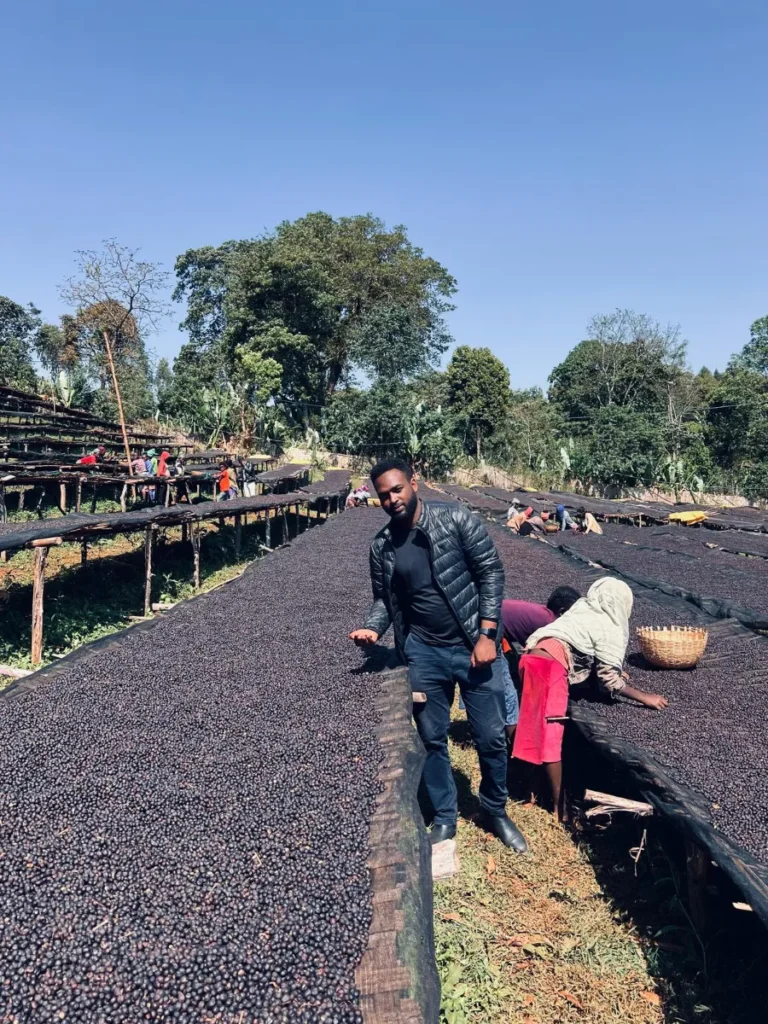
Grown organically in Guji's highlands
Gerba Dogo

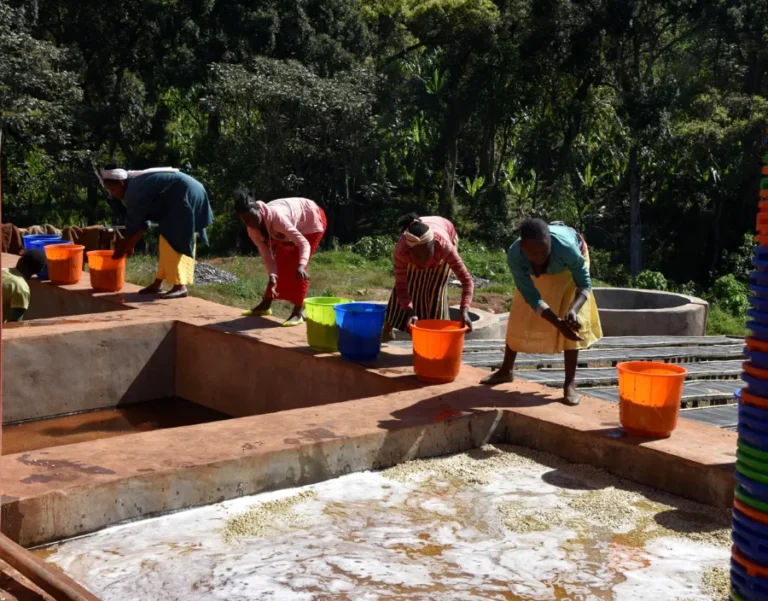
A washed coffee of Q1 quality, certified organic
Alaka


Brightness at altitude
Arbegona - Duwancho Lippa Super Natural
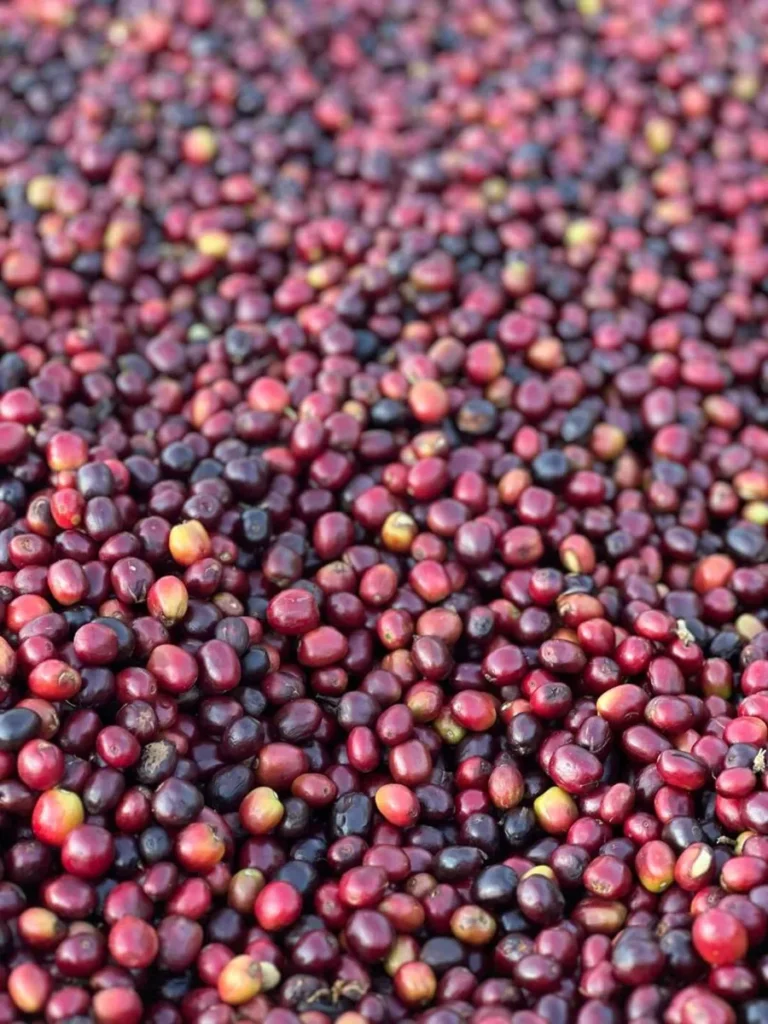
Oboleyan's Guji Highland Treasure
Tabe Burka

Unlocked complexity with Sealed fermentation.
Bombe
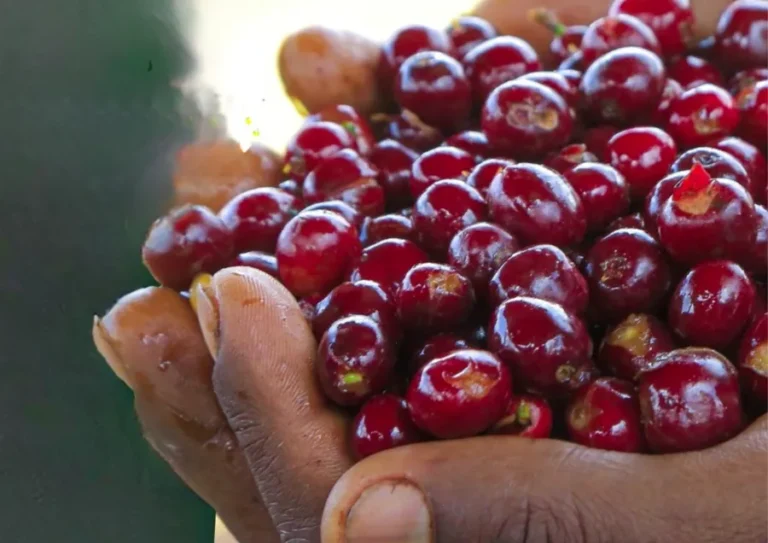
Ethiopian coffee at its purest, high-altitude, ethically grown, and community-crafted
Banko Taratu - WASHED

Habtamu's social commitment goes beyond the washing station
Coba

Exporter with over 10 years experience in the coffee sector
Chelbesa
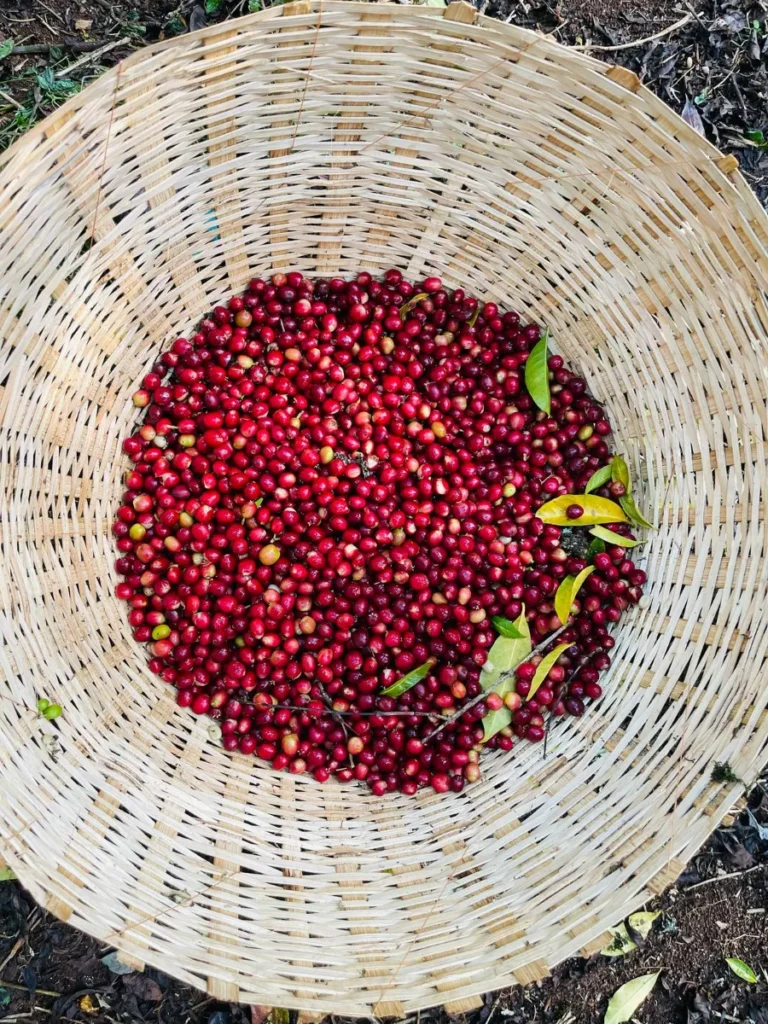
Coffee farming in Guji takes place on a naturally fertile soil
Gerba Dogo
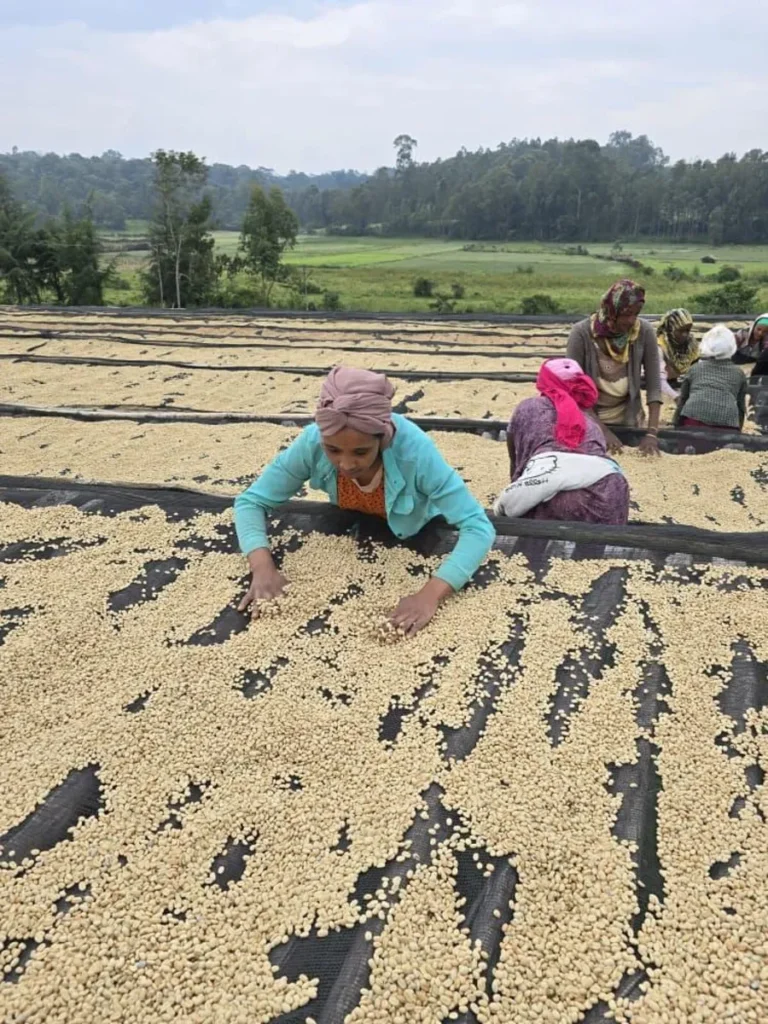
Bedeye Washed reflecting the character of a great Jimma coffee.
Bedeye Washed - Lot 2