+90 534 884 28 00Mon – Fri 10:00 – 20:00 (GMT+3)
By origin
All origins → Ethiopia
 Guatemala
 Kenya
 Rwanda
 Indonesia
 Honduras
 Mexico
 Nicaragua
By process
By SCA score
Impact & projects
- Women producers
- Impact score 8+
- Shipped by sail (FCCO)
- Forest coffee
- Agroforestry: forest level
- Certified organic
- High Nature Value
Availability
400+
SCA-scored specialty lots from 24 origins, selected by Belco France.
See all coffeesRequest a sampleBy origin
Selections
Cacao lots
 Cooperativa Barra Ciega
- Cooperativa Cacahuatl
- Finca Chiquihuat
- Finca La Catarina
- Finca Los Angeles
- Finca Parras Lempa
- Hacienda Comalapa
 Hacienda Dos Lagunas
- Hacienda La Carrera
 Jorge Takahashi
 Opita
%70–88
Fermentation rates of our fine-flavour cacao lots — including three Cacao of Excellence winners.
See all cacaoRequest a sample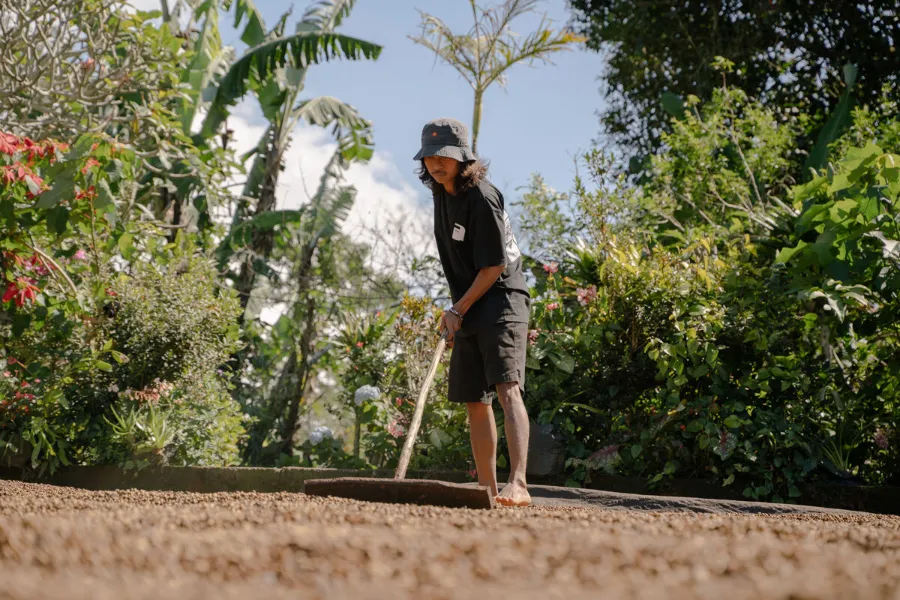
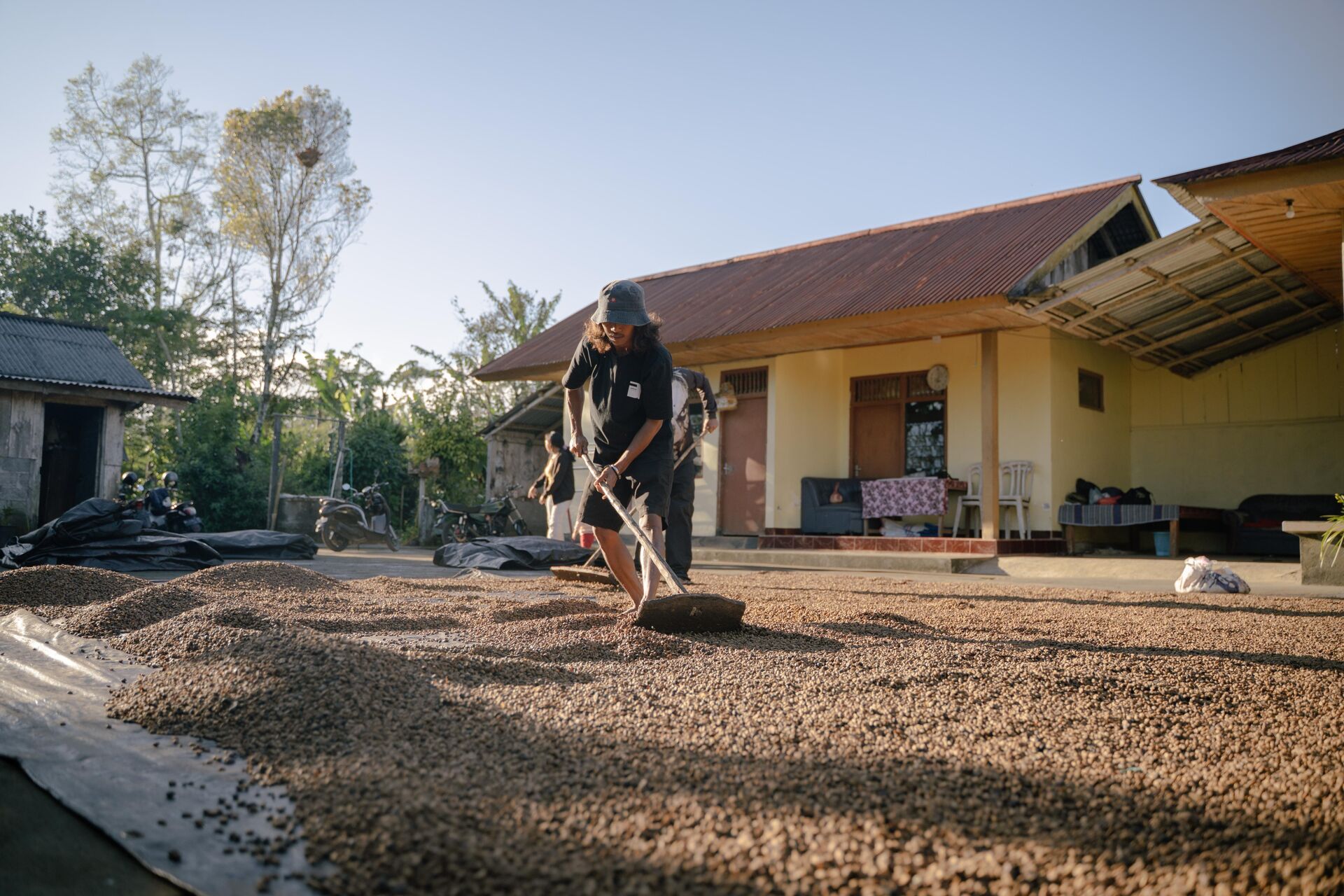
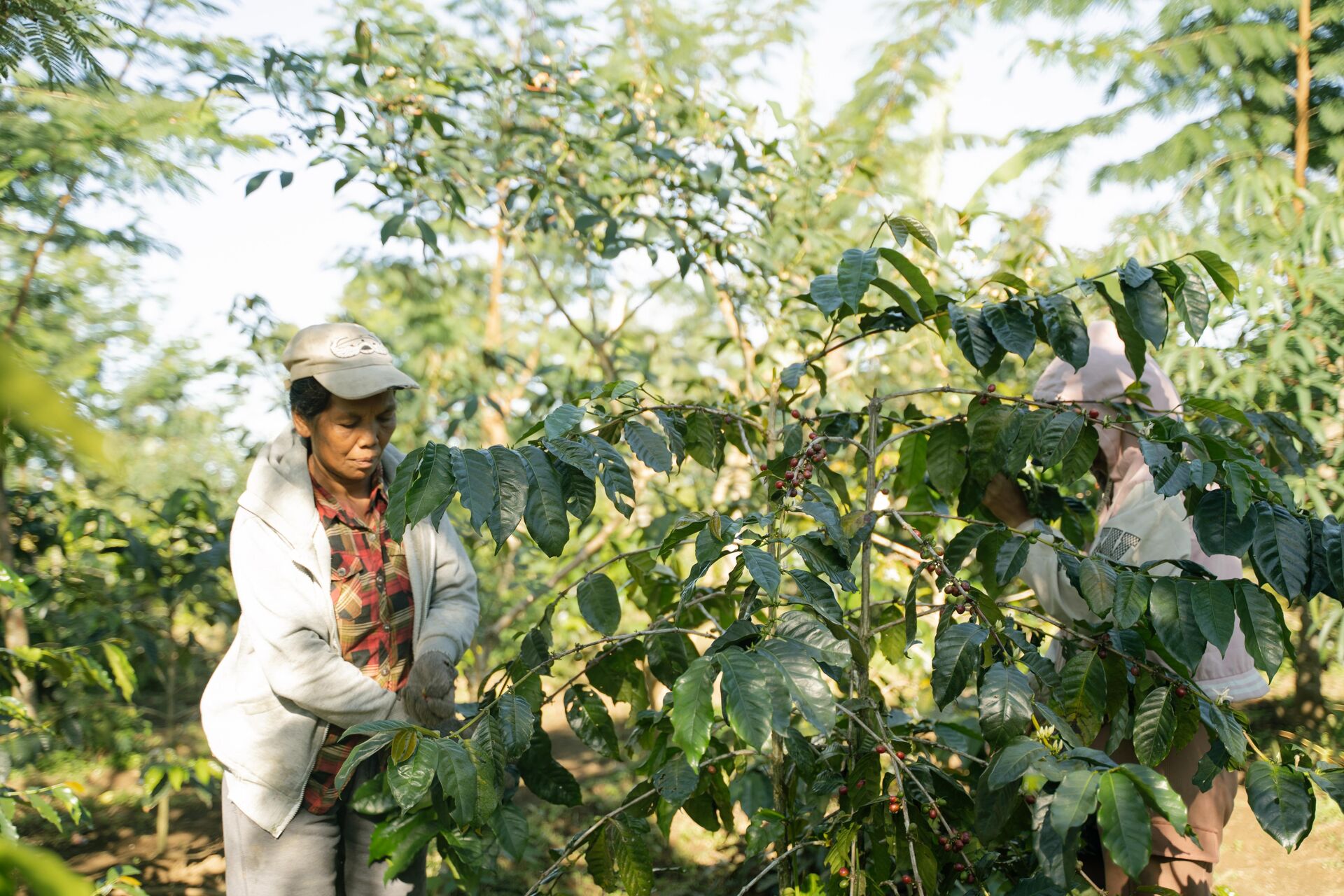
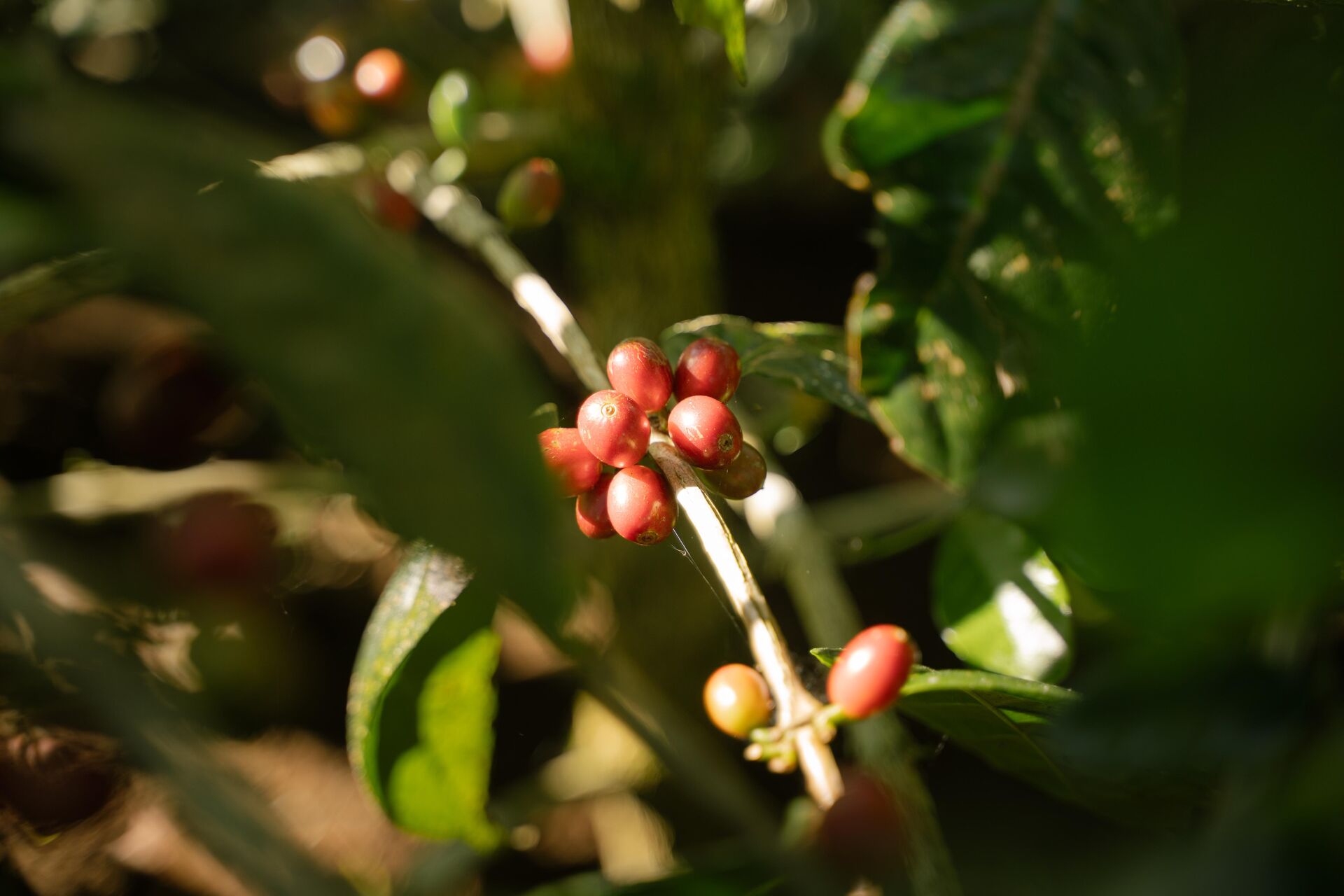
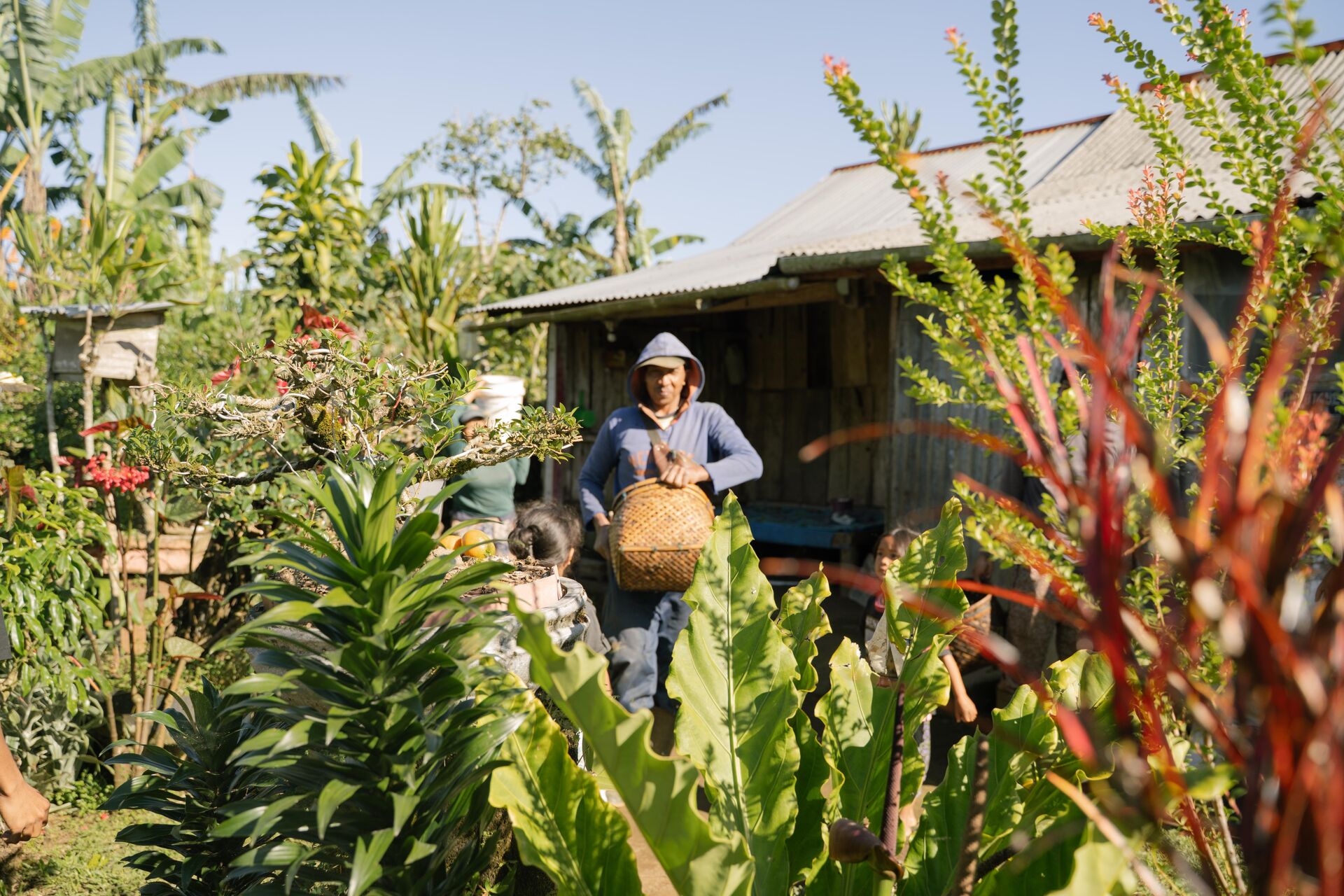
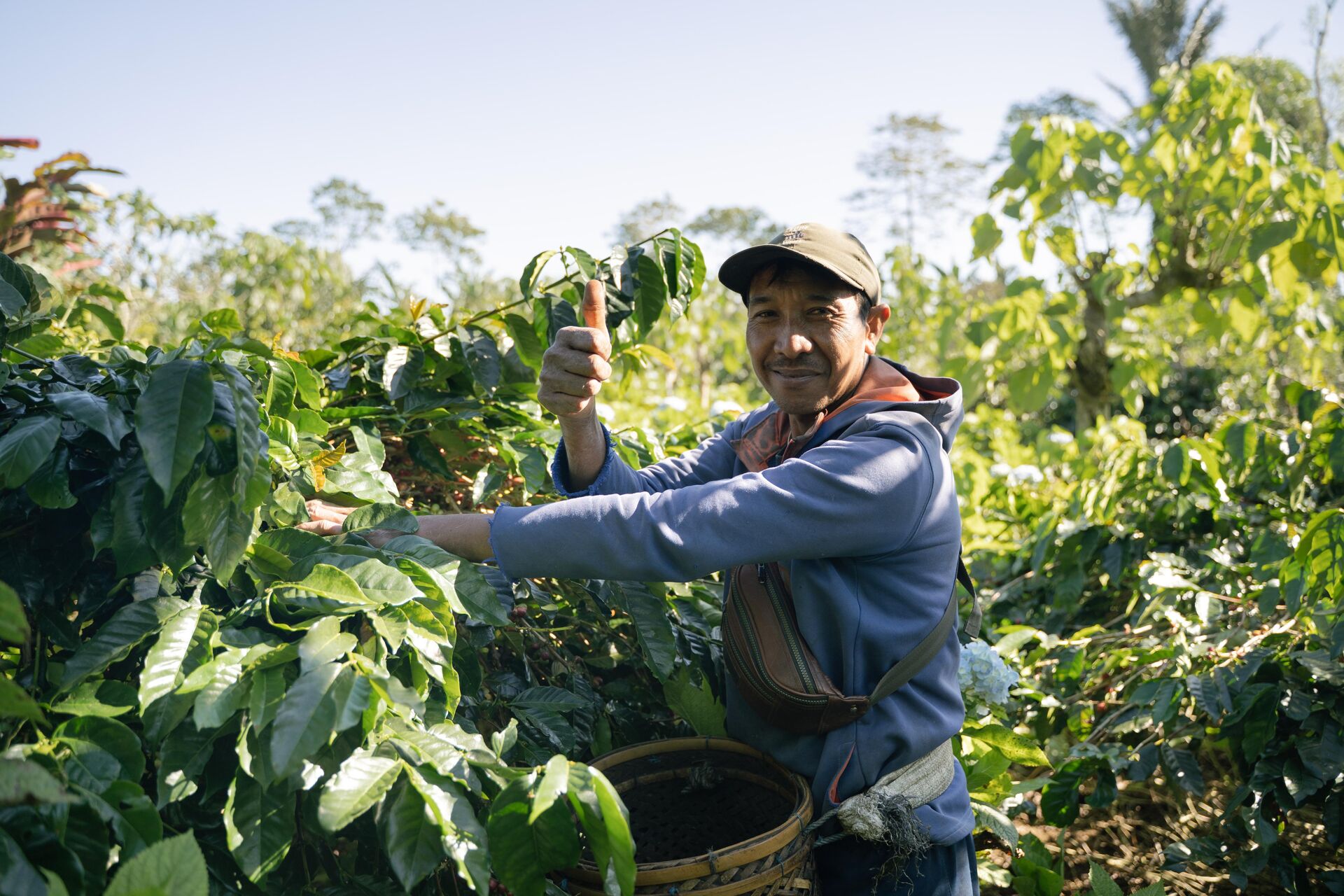
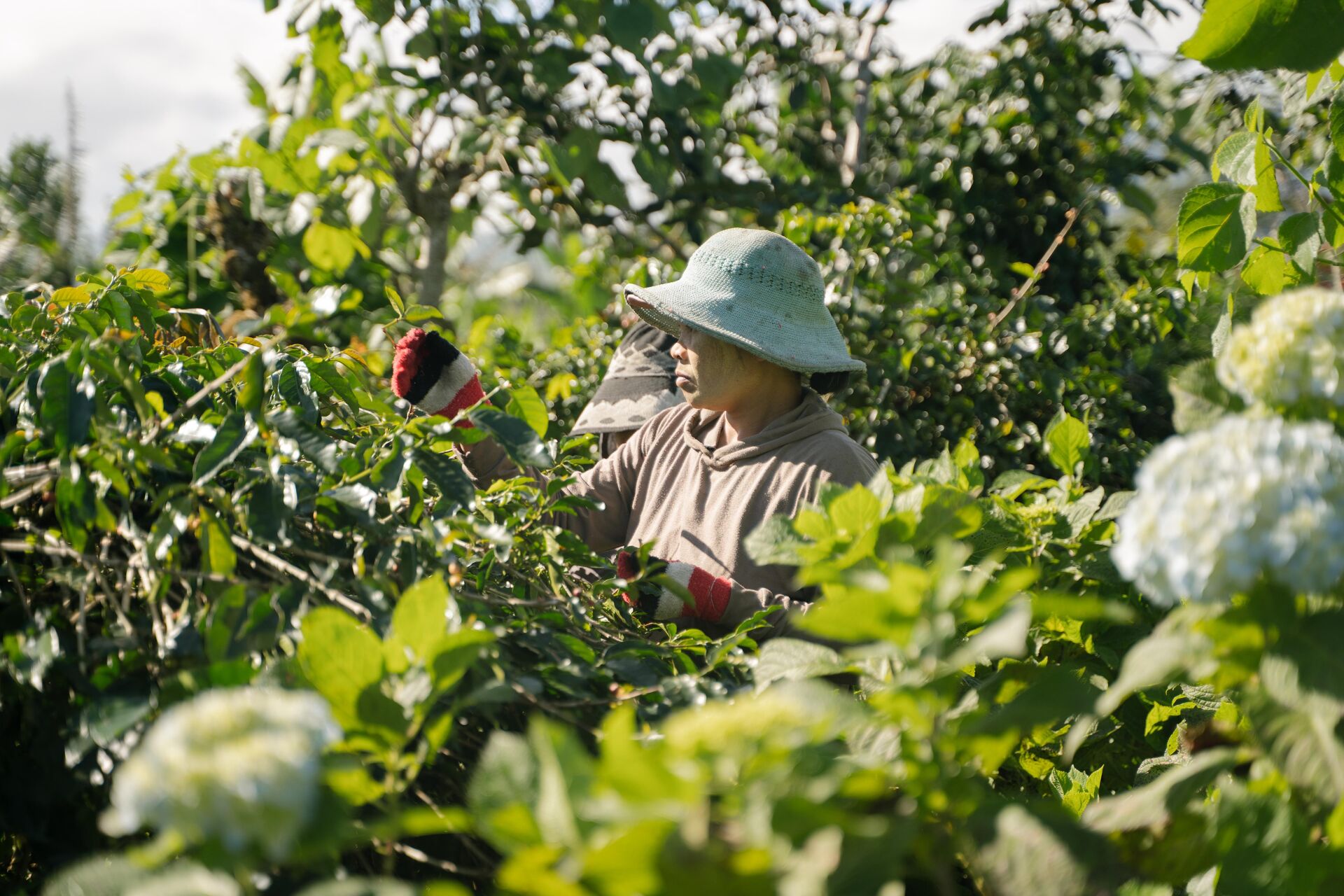
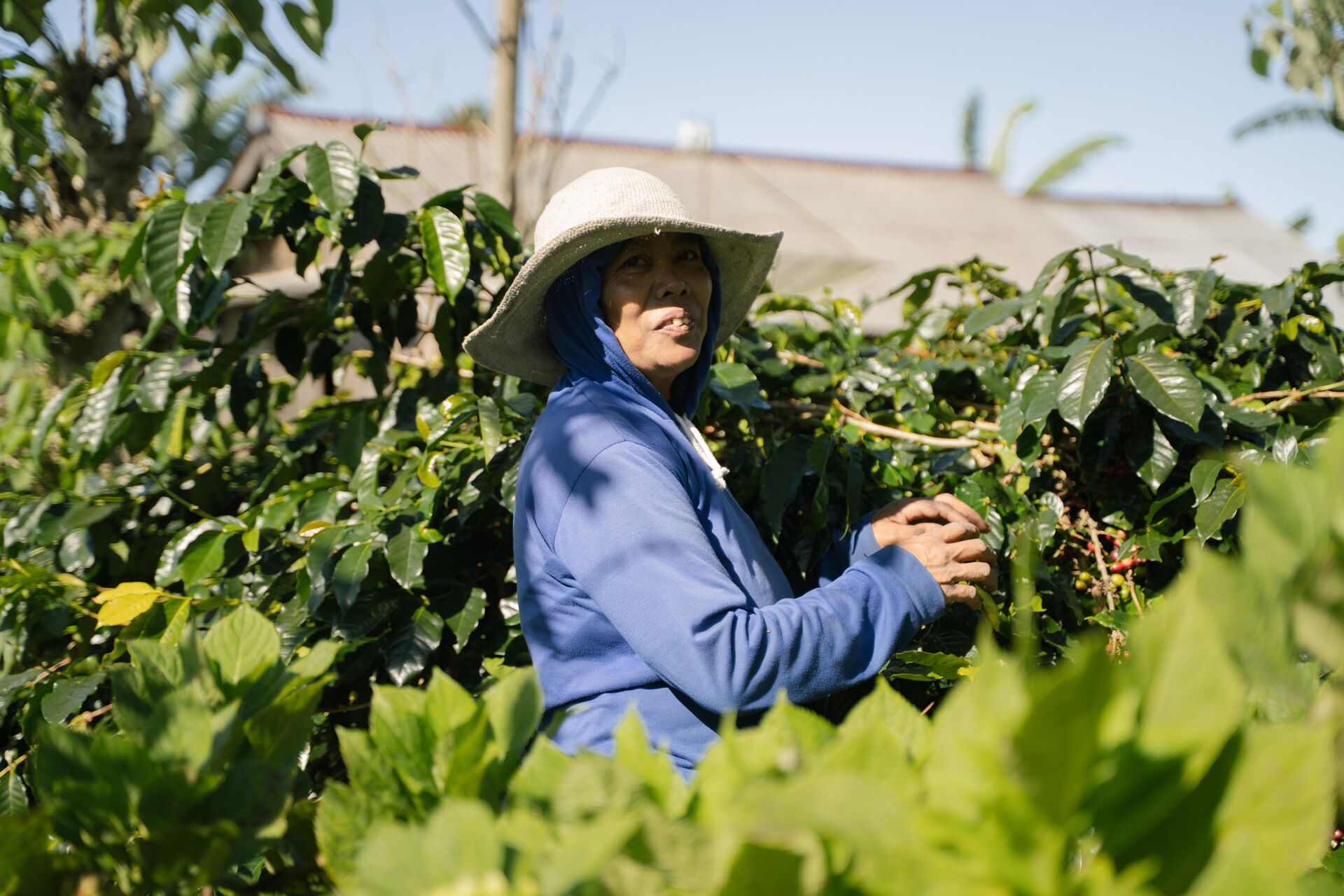
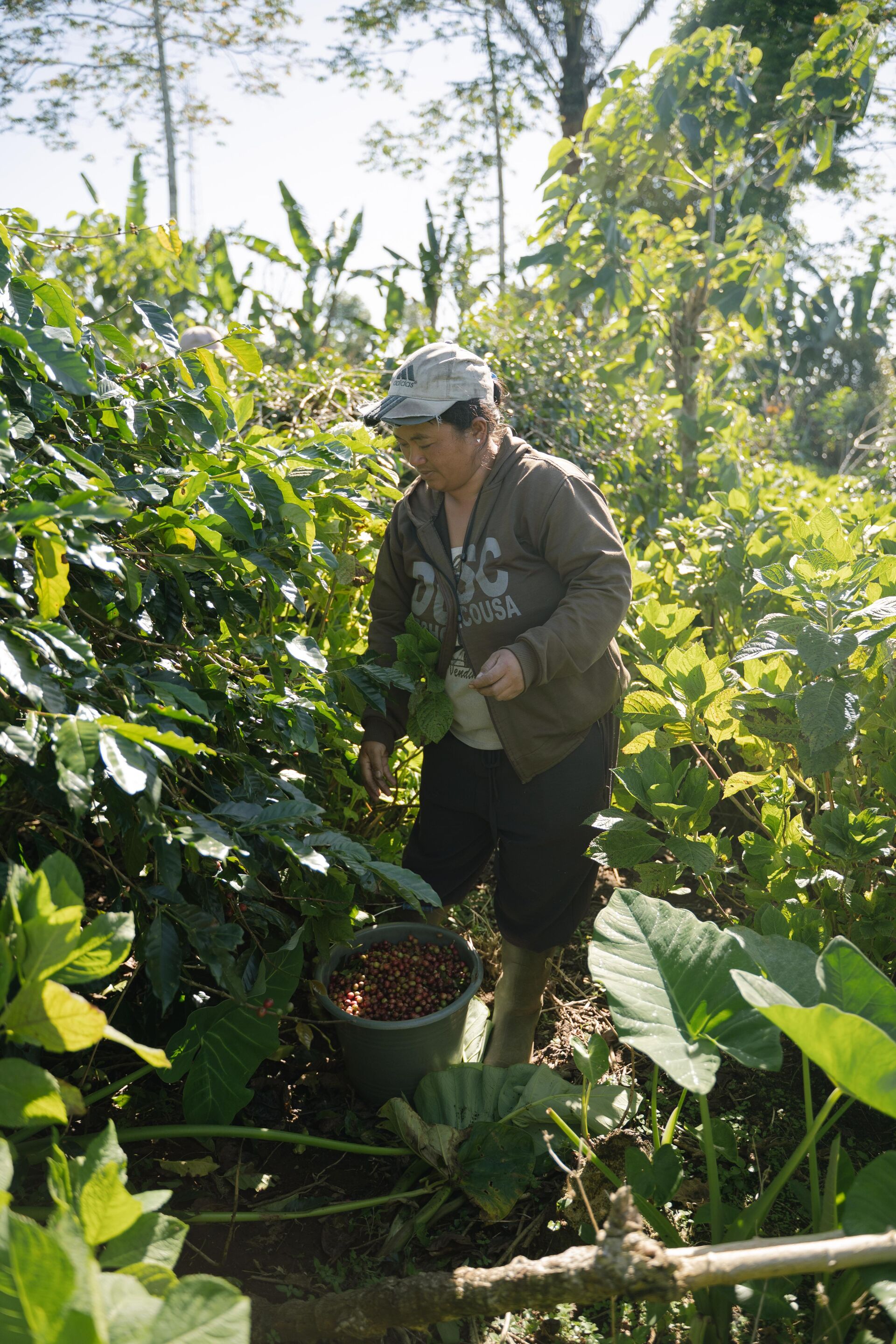
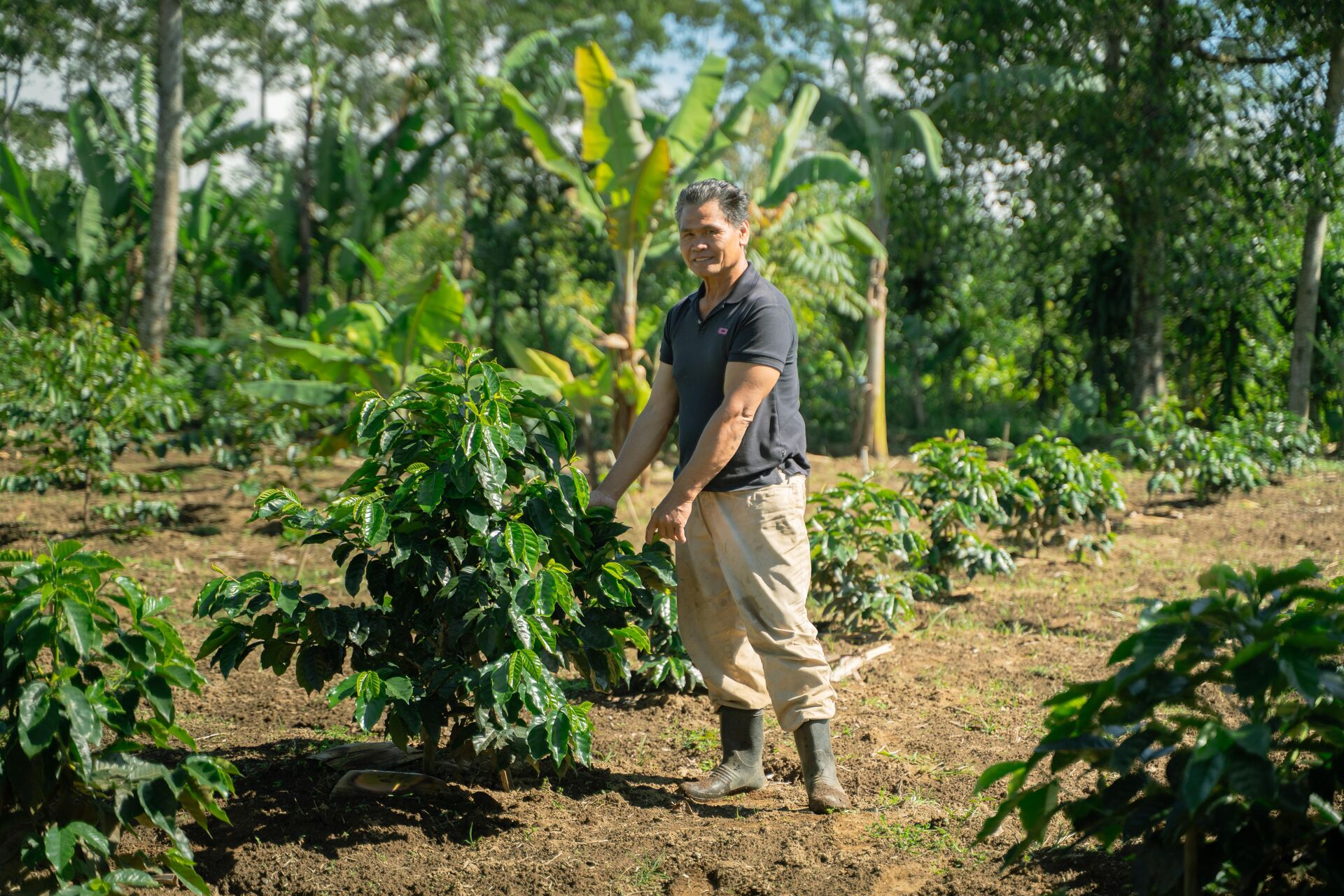
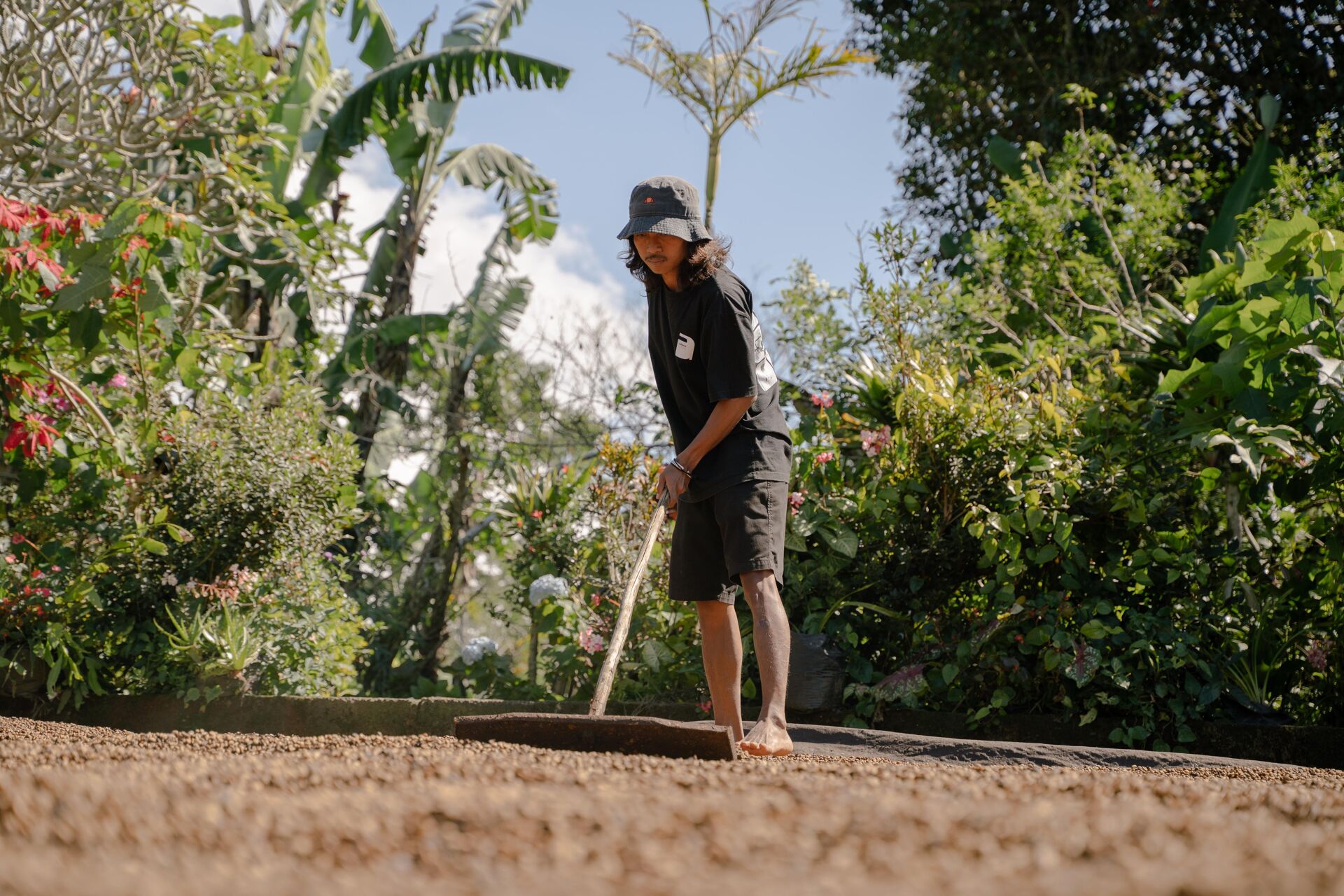
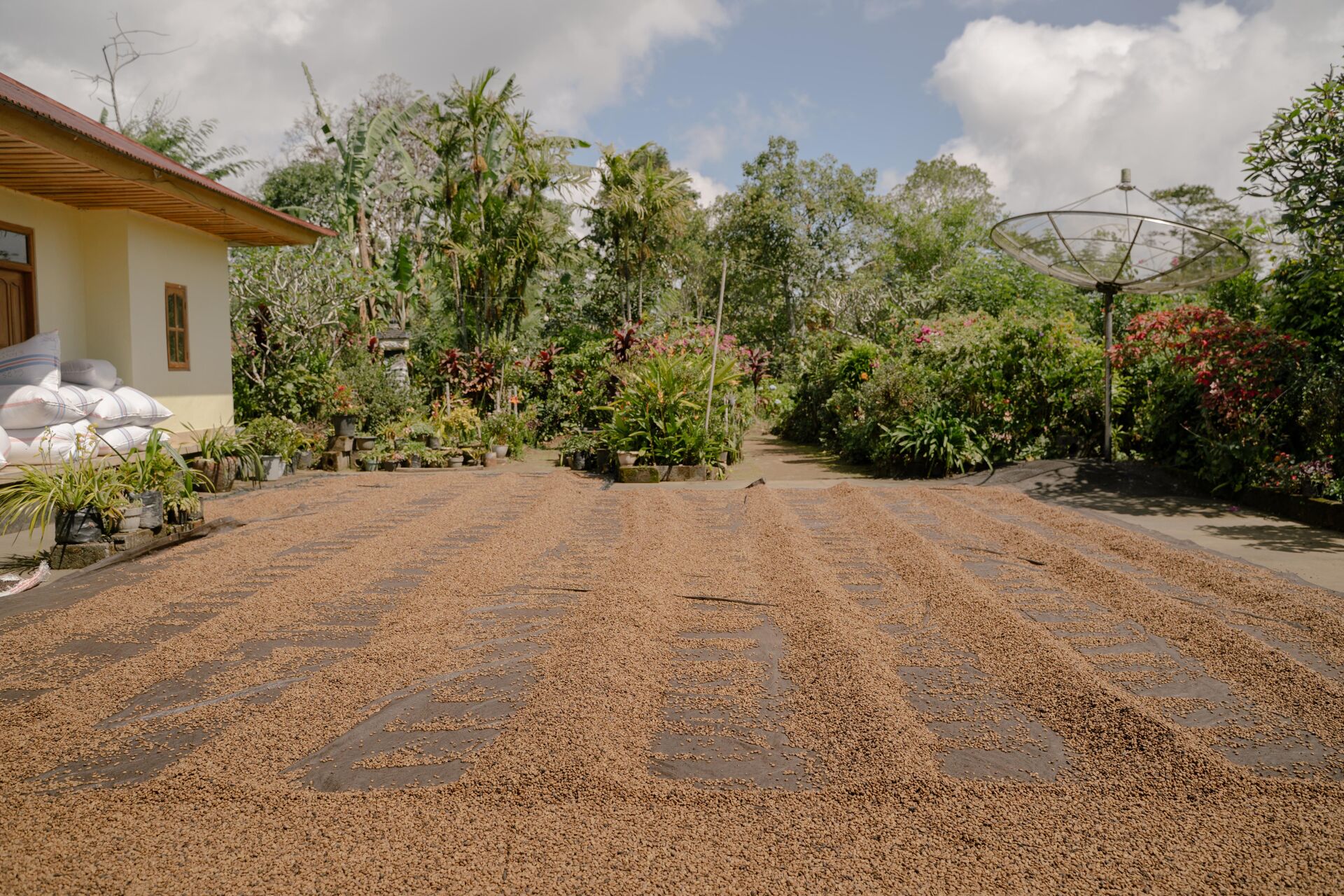
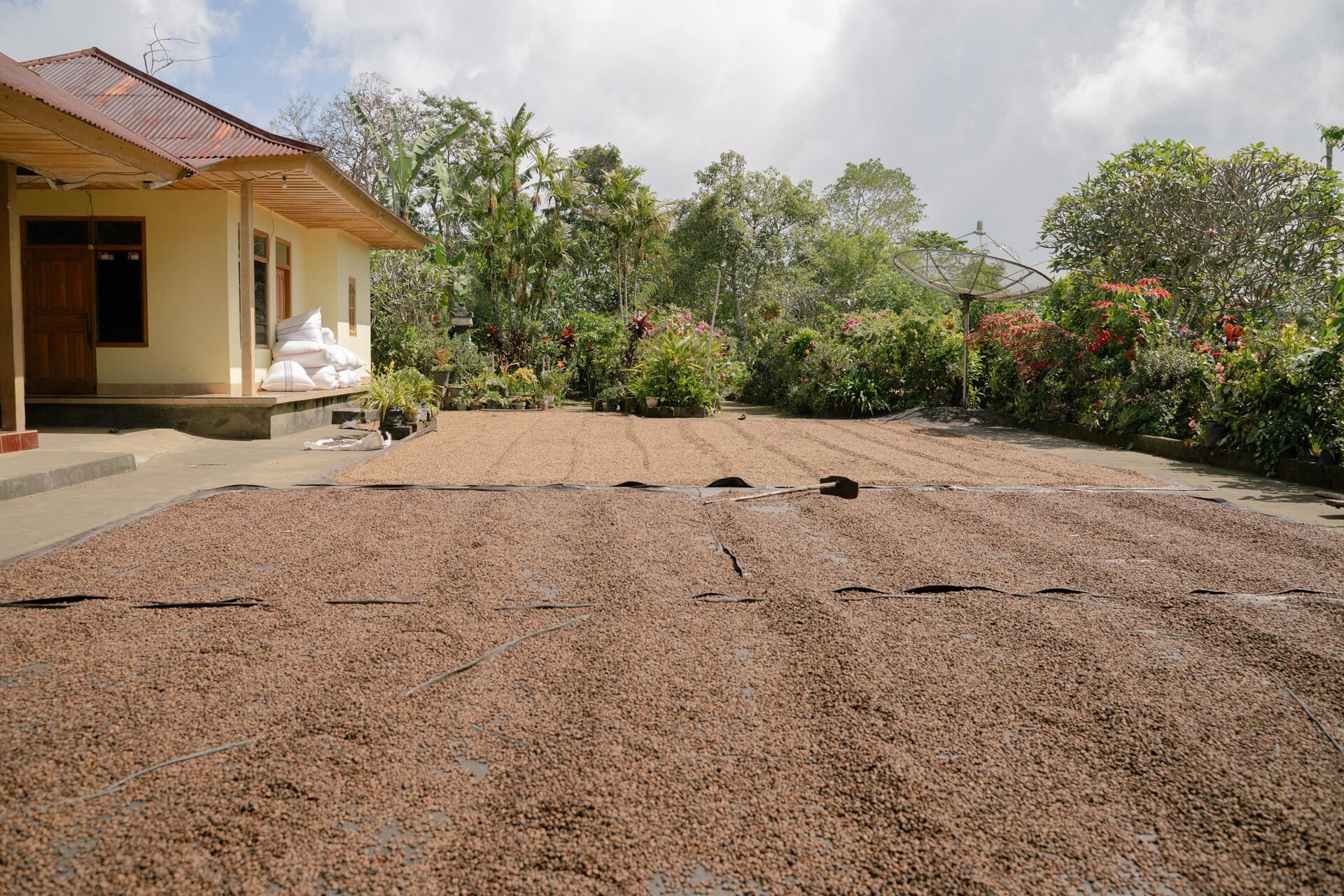
Kali Patra
Indonesia - Bali - Kala Patra - Nature
CROP 2026/2027 See coffee details
SCA score86.5
Aromatic notes
blackcurrantstrawberrycherrydark chocolatecaramelvegetalwiney
Available on contract (30kg)
SampleFree evaluation sampleRequest a sample
Price quoteCurrent price and stock informationRequest a quote
History and traceability
Identity card
- OriginIndonesia
- RegionBali
- SpeciesArabica
- VarietiesTim Tim, Typica
- ProcessNatural
- Packaging30kg - Jute bags
- Harvest periodApril – July
Quality
Aromatic notes
blackcurrantstrawberrycherrydark chocolatecaramelvegetalwiney
SCA scoreMeets Belco quality standards
86.5You may also like
All green coffees →
Sulaya, a sweetness true to its promises
Sulaya
Blend of varieties Honey
88
PriceGet a quote
On contractRequest a sampleSee details
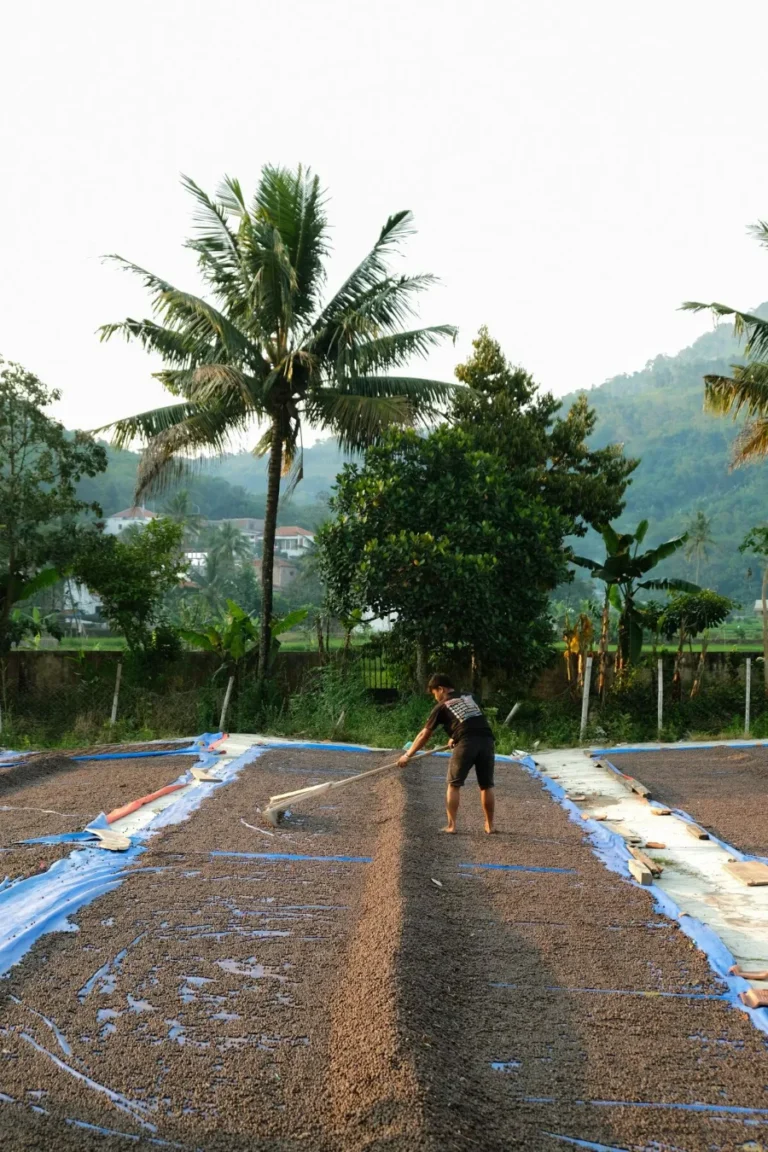
Sekar Kiamis, the cinnamon flower
Sekar Kiamis
Blend of varieties Natural
87
PriceGet a quote
On contractRequest a sampleSee details
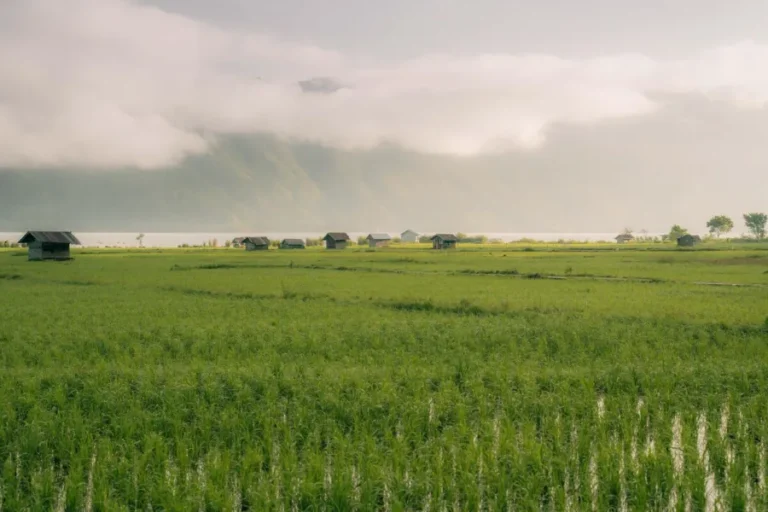
Manis Madu, a natural sweetness
Manis Madu
Blend of varieties Honey
87
PriceGet a quote
On contractRequest a sampleSee details
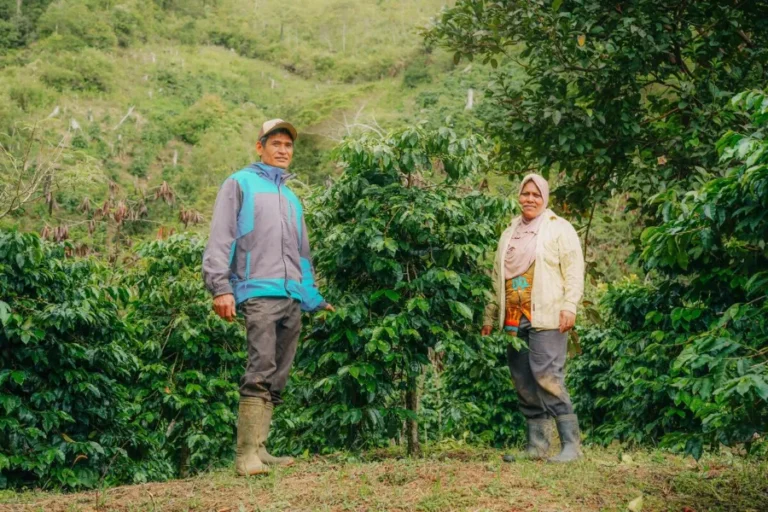
Serinen, the strength of mutual aid
Serinen
Blend of varieties Washed
86.75
PriceGet a quote
In stockRequest a sampleSee details

Cincimpala, the messenger of dawn
Cincimpala
Blend of varieties Honey Anaerobic
86.25
PriceGet a quote
On contractRequest a sampleSee details
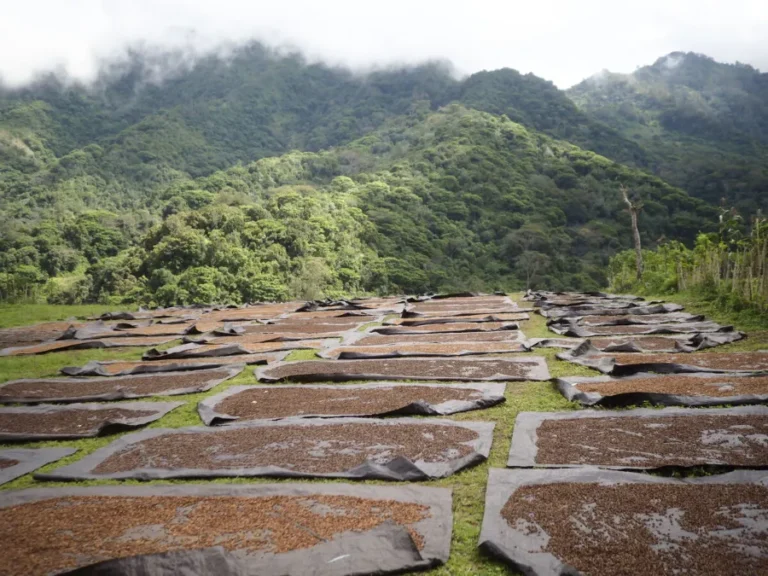
Ntala, the Star of Flores
Ntala
Blend of varieties Anaerobic washed
86.25
PriceGet a quote
On contractRequest a sampleSee details
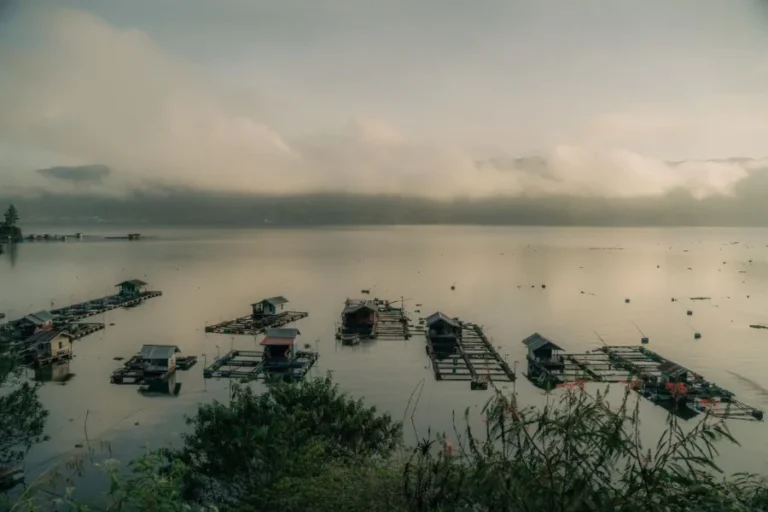
Arkhan, the energy of Kenawat
Arkhan
Blend of varieties Natural
86
PriceGet a quote
In stockRequest a sampleSee details

Gilbas X, reinventing Giling Basah
Gilbas X
Typica, Tim Tim Wet hulled
85.5
PriceGet a quote
In stockRequest a sampleSee details

Tumaritis, a land nurtured by water
Tumaritis
Blend of varieties Washed
85.25
PriceGet a quote
On contractRequest a sampleSee details

This coffee is produced exclusively under the shade of woody trees of various species
Radiophare - Semi-Washed
Blend of varieties Washed
85
PriceGet a quote
Arriving soonRequest a sampleSee details