By origin
All origins → Ethiopia
 Guatemala
 Kenya
 Rwanda
 Indonesia
 Honduras
 Mexico
 Nicaragua
By process
By SCA score
Impact & projects
- Women producers
- Impact score 8+
- Shipped by sail (FCCO)
- Forest coffee
- Agroforestry: forest level
- Certified organic
- High Nature Value
Availability
SCA-scored specialty lots from 24 origins, selected by Belco France.
See all coffeesRequest a sampleBy origin
Selections
Cacao lots
 Cooperativa Barra Ciega
- Cooperativa Cacahuatl
- Finca Chiquihuat
- Finca La Catarina
- Finca Los Angeles
- Finca Parras Lempa
- Hacienda Comalapa
 Hacienda Dos Lagunas
- Hacienda La Carrera
 Jorge Takahashi
 Opita
Fermentation rates of our fine-flavour cacao lots — including three Cacao of Excellence winners.
See all cacaoRequest a sample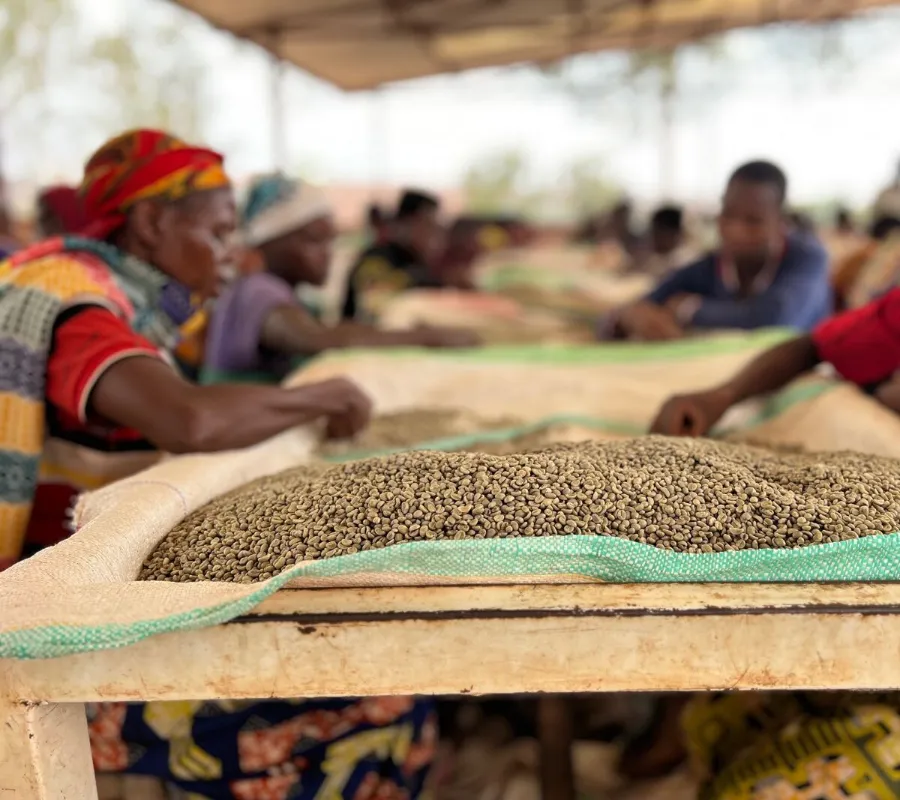
Nkanda washed
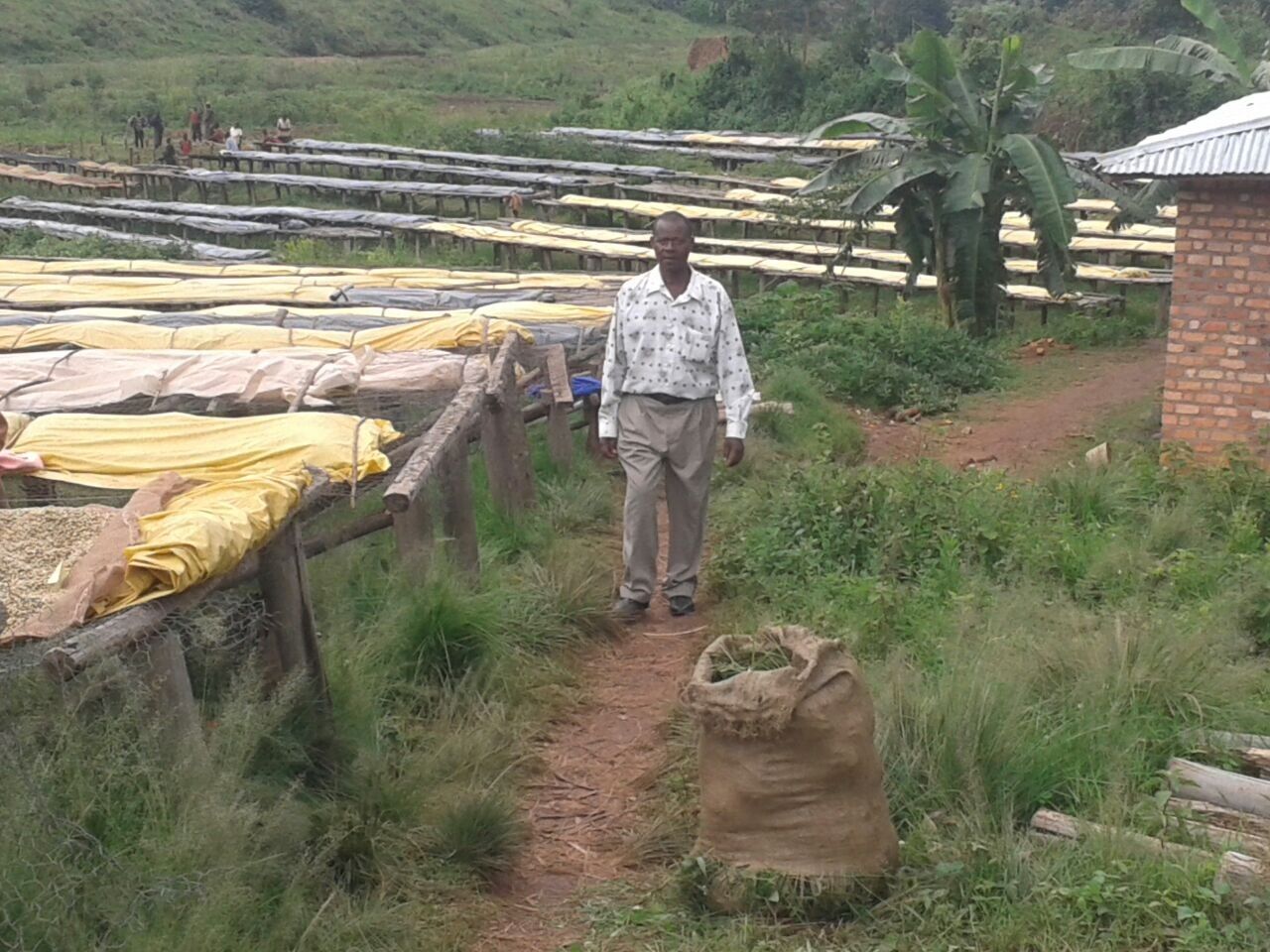
Burundi - Nkanda - Washed
Available on sample request (60kg)
History and traceability
Identity card
- OriginBurundi
- RegionNgozi
- TerroirNkanda
- SpeciesArabica
- VarietiesRed bourbon
- ProcessWashed
- DryingDrying beds
- Packaging60kg - Jute bags
- Altitude1700-1900 m
- Harvest periodMarch
- Type of harvestHand-picked
Quality
Aromatic notes
You may also like
All green coffees →
A new beginning for Belco in Burundi: Shikankoni.
Shikankoni
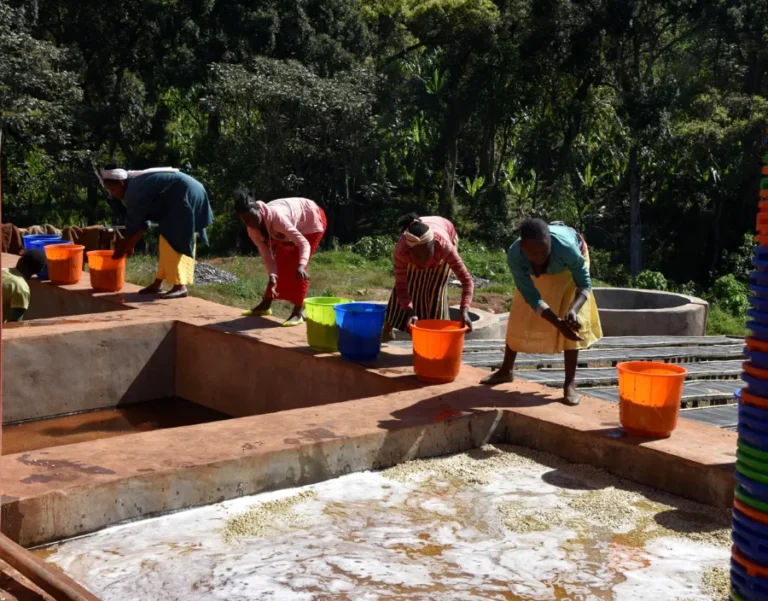
A washed coffee of Q1 quality, certified organic
Alaka


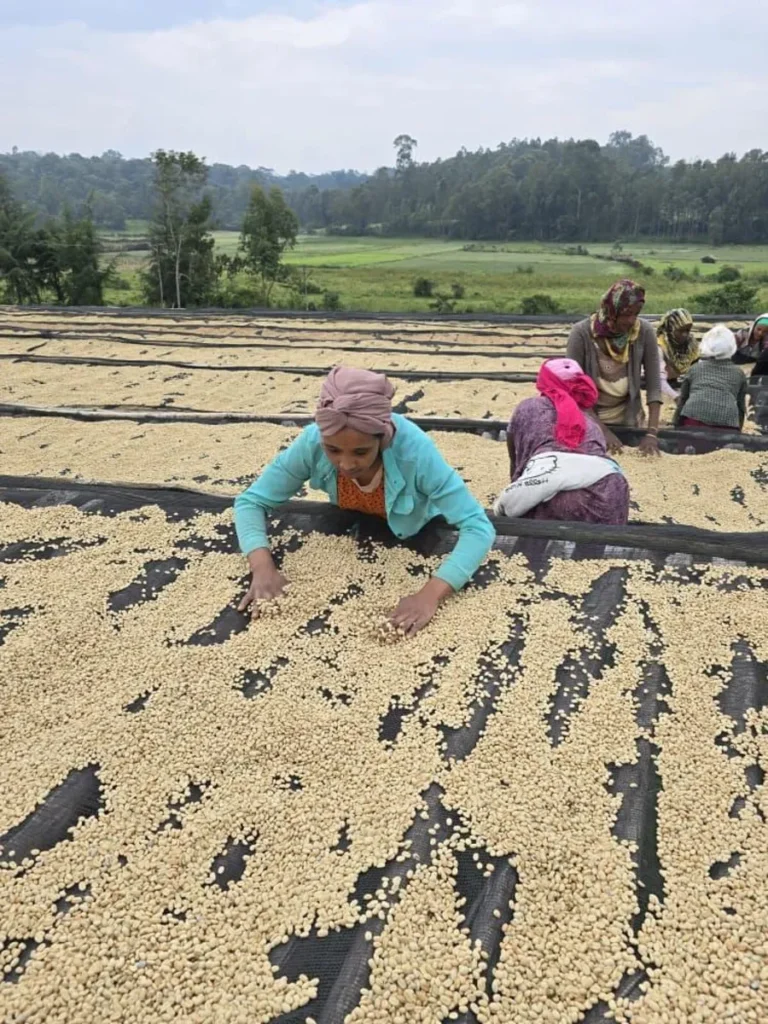
Bedeye Washed reflecting the character of a great Jimma coffee.
Bedeye Washed - Lot 2
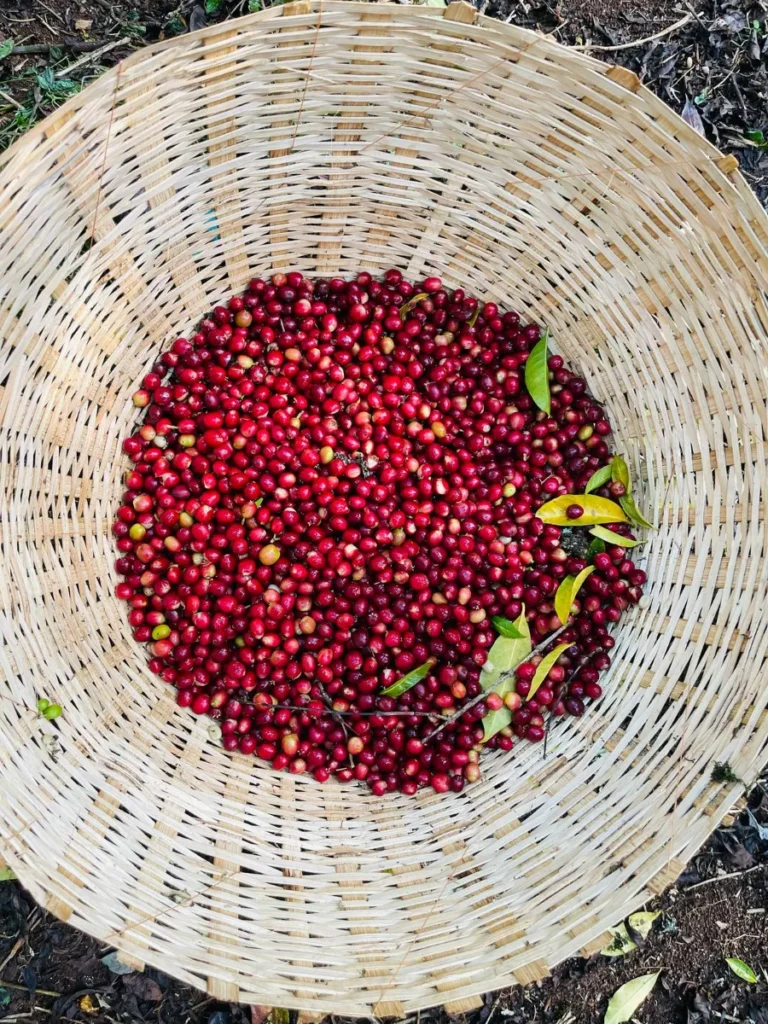
Coffee farming in Guji takes place on a naturally fertile soil
Gerba Dogo
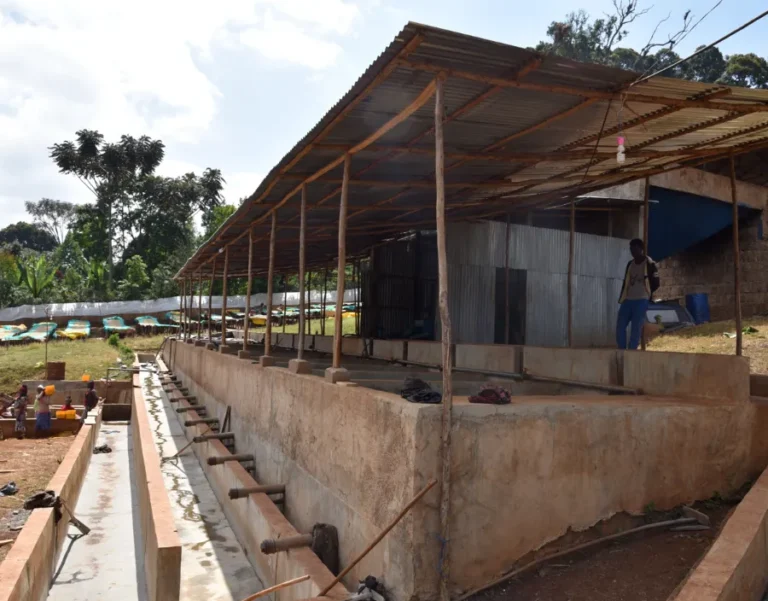
Refisa provides growers with access to infrastructure
Refisa

The fruit of the work of the 400 producers
Banko Gotiti
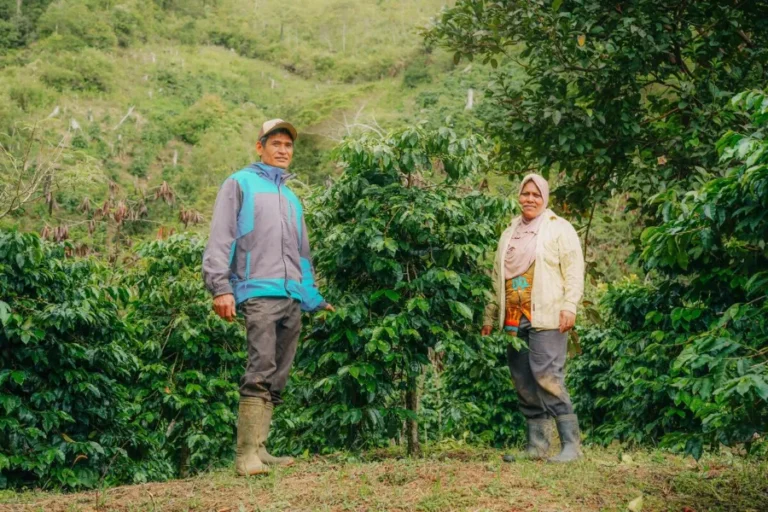
Serinen, the strength of mutual aid
Serinen

Bedeye Washed reflecting the character of a great Jimma coffee.
Bedeye Washed - Lot 15
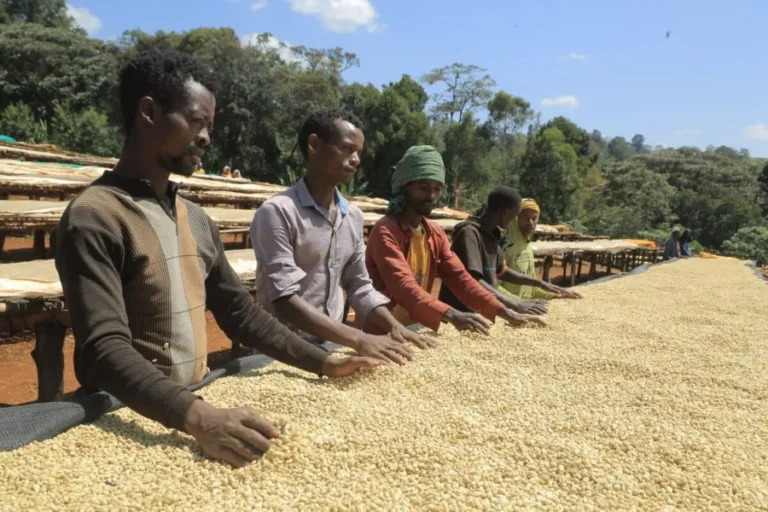
It comes from the trees of the 550 families surrounding the Halo Beriti station
Halo Beriti
Coffea Diversa, the botanical garden of specialty coffee